China’s consumers are still buying, but they are buying differently — and that is reshaping the growth model for the world’s second-largest economy.
China Consumer Spending Shifts Toward Value
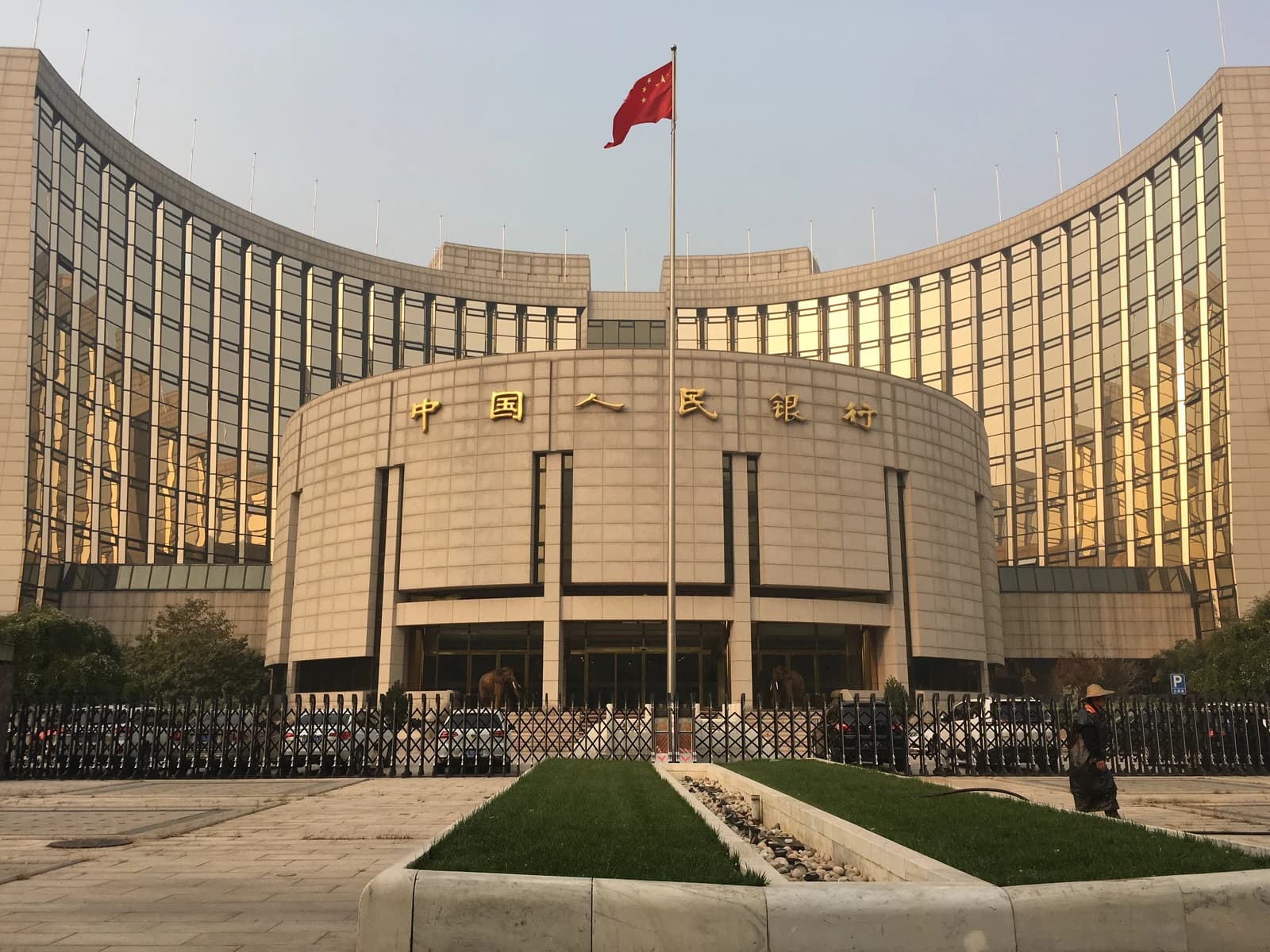
The clearest signal is not a collapse in spending but a broad shift toward caution: household loans are shrinking, auto and furniture sales are stagnating, and consumers are using holiday travel and selective discretionary purchases to repair balance sheets rather than revive the debt-fueled consumption pattern that defined earlier recoveries. That matters because China’s export-led growth can offset weak domestic demand for only so long; a consumer sector that is more value-driven and less leveraged changes the outlook for retailers, manufacturers, banks and policymakers alike.
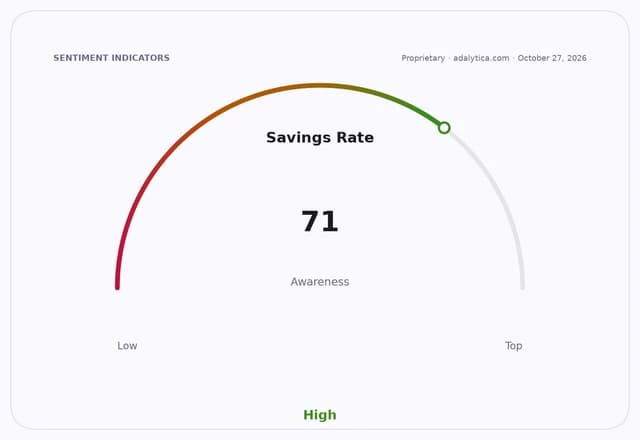
Sentiment IndicatorsⓘProprietary · adalytica.com · October 27, 2026
This is a snapshot — live sentiment, awareness and momentum for 130+ markets update continuously in the dashboard.Open AlphaPulse
The macro backdrop points to a structural adjustment rather than a short cyclical dip. China’s economy has continued to expand, but recent growth has been driven mainly by exports, especially high-tech goods, while household demand remains subdued. The result is a more uneven, K-shaped recovery in which firms tied to external demand are outperforming those dependent on domestic spending. For investors, that means the old assumption that a rebound in China automatically lifts broad consumer names is increasingly unreliable.
The sector data underline the divide. Auto sales, a traditional barometer of middle-class confidence and credit appetite, have lost momentum. Furniture, another credit-sensitive category linked to housing wealth and big-ticket purchases, has also stalled. At the same time, households appear to be prioritizing savings and deleveraging. That pattern is consistent with an economy where incomes, employment prospects and property values no longer support the kind of confident spending that powered China’s pre-pandemic consumer cycle.
Markets are already reflecting the change in tone. The iShares China Large-Cap ETF, FXI, has slipped to about $32.50 from above $39 at the start of the year, with its price now below both the 50-day and 200-day moving averages. NIO’s shares have fallen to about $3.29 from more than $5 late last year, while Yum China has held up better, trading around $45.43, but even there the market is rewarding a narrower set of businesses with resilient traffic, pricing power and value positioning rather than broad-based consumer expansion. The message from equities is that investors are separating defensive, cash-generative operators from cyclical names exposed to weak ticket sizes and softer credit demand.
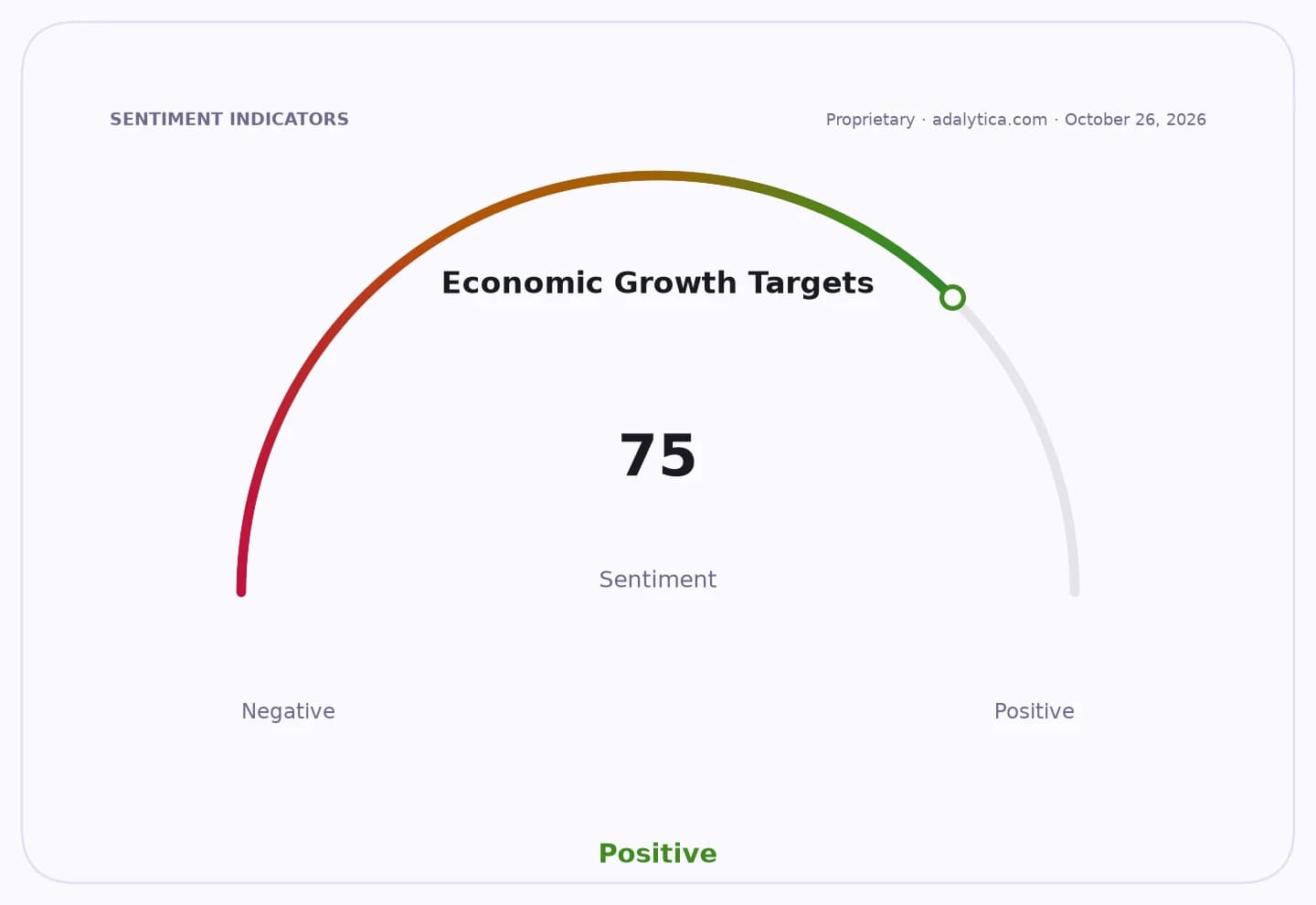
That selective behavior is mirrored in the proprietary Adalytica indicators. Consumer Spending Sentiment is in “Extreme Greed,” while the Household Savings Rate gauge is also at “Extreme Greed,” an unusual combination that suggests consumers are spending, but with a sharp preference for deals, essentials and experiences over debt-financed durables. In other words, Chinese households are not retreating from consumption altogether; they are recalibrating it.
That has important implications for corporate strategy. Brands that rely on aspiration, easy financing or large one-time purchases may face a tougher operating environment, while companies positioned around value, convenience and frequent repeat visits may fare better. Yum China’s relative share resilience suggests some investors still see room for chains that can trade consumers down without destroying volumes. By contrast, automakers and housing-linked retailers face a more difficult path unless policy delivers a stronger and more direct lift to household balance sheets.
The bigger question is whether Beijing will keep leaning on exports and supply-side strength, or finally move more aggressively to support domestic demand. Policymakers have so far been cautious about direct household stimulus, but that stance becomes harder to defend as trade barriers rise and consumer weakness persists. If China wants to avoid a prolonged Japan-style stagnation, it will need to do more than stabilize growth around exports; it will need to restore household confidence, credit access and spending power.
For investors, the message is clear: China is no longer a broad beta consumer trade. It is a highly selective market where balance-sheet repair, not leverage, is driving demand. That favors disciplined operators and punishes businesses built on the assumption that Chinese households will keep spending the way they did before.
| Entity | Gains | Losses |
|---|---|---|
| Household savers | ▲Balance-sheet repair | ▼Discretionary leverage |
| Value retailers / QSR chains | ▲More selective traffic | ▼Premium and ticket-sensitive sellers |
| Exporters of high-tech goods | ▲External demand support | ▼Domestic-demand exposure |
| Auto and furniture makers | ▲Niche replacement demand | ▼Credit-fueled growth model |