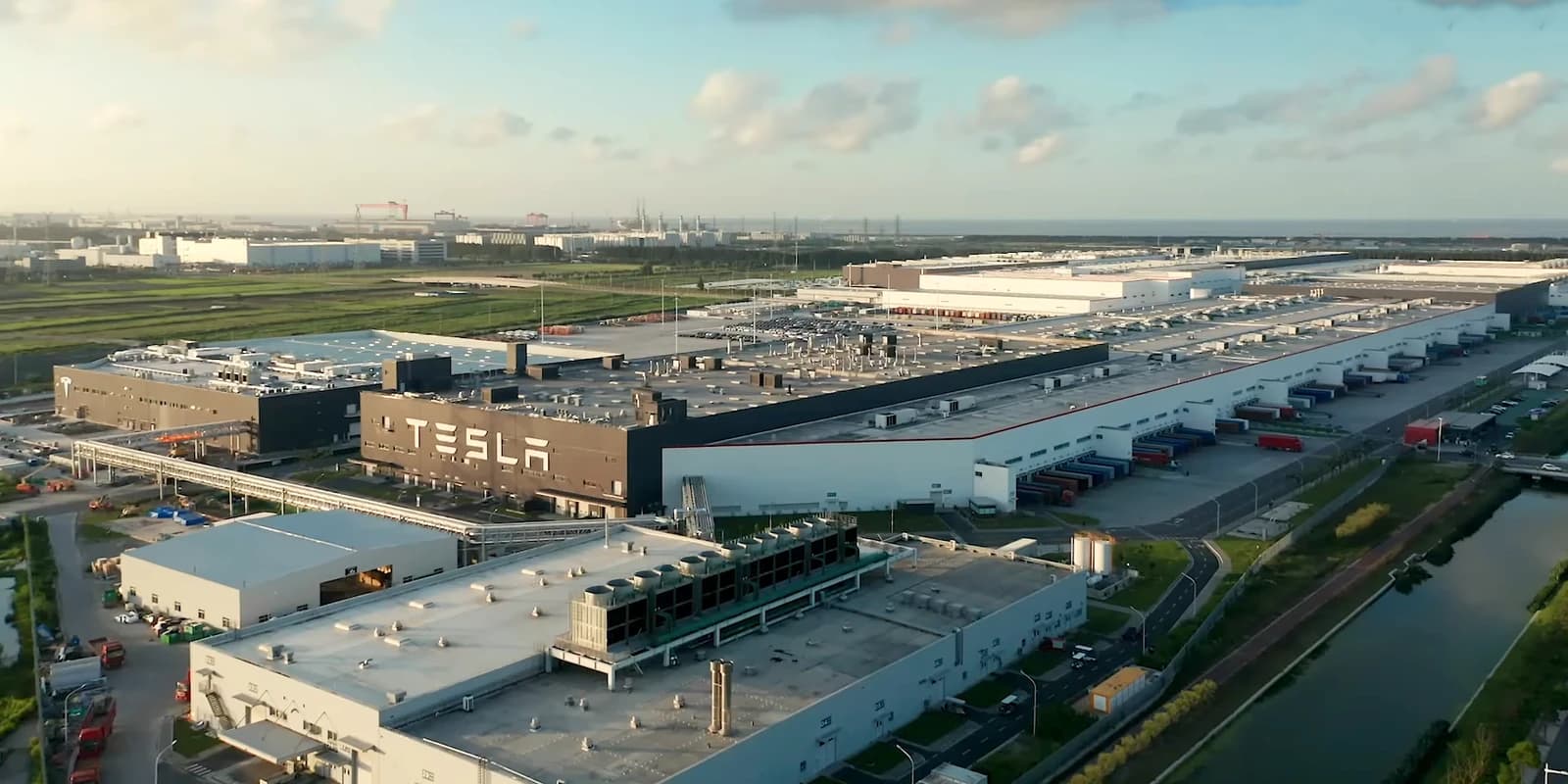
China’s move away from property-led expansion toward technology, advanced manufacturing and higher-value exports is taking hold, with investors increasingly treating the transition as a sturdier basis for growth even as headline GDP slows.
China Growth Shift Supports Tech and EV Firms
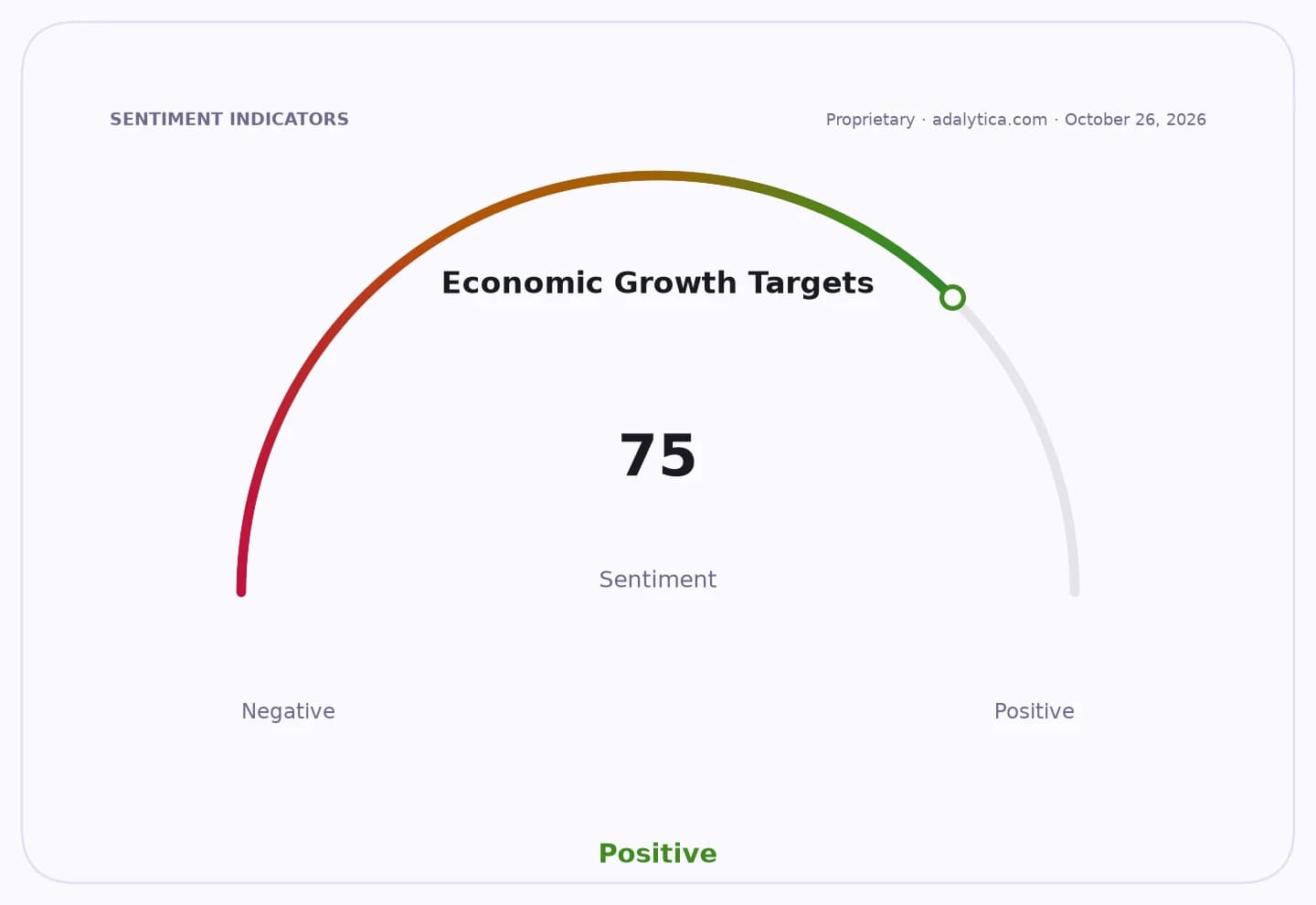
The clearest market implication is that China’s growth engine is changing rather than stalling. Amundi’s Vincent Mortier said China is moving from “fast growth to better growth,” citing first-three-quarter GDP growth of 4.6% year on year and a policy mix aimed at resolving local-government debt, fixing the housing market and directing credit toward innovation.
Sentiment IndicatorsⓘProprietary · adalytica.com · October 26, 2026
This is a snapshot — live sentiment, awareness and momentum for 130+ markets update continuously in the dashboard.Open AlphaPulse
That matters because a more durable growth model can support corporate profitability, reduce financial fragility and create a better backdrop for assets tied to China’s industrial upgrade. Mortier said the old drivers of property and infrastructure are giving way to AI hardware, electric vehicles and other high-value exports, with EVs now accounting for more than half of new car sales in China.
For investors, the story is less about the pace of growth than its quality. Beijing’s effort to curb “involution” and restore market discipline is meant to push capital toward firms that can turn innovation into profits, not just output. A stronger household consumption base would add another layer of resilience, but for now the investment case rests on manufacturing strength, technology diffusion and cleaner balance sheets.
Chinese equities and China-linked funds have reflected that mix of caution and opportunity. The FXI ETF was last at $32.51, below its 50-day moving average of $34.40 and 200-day average of $35.67, while MCHI traded at $49.12, also beneath its 50-day and 200-day averages. Ashares-focused ASHR closed at $30.94, still under its 50-day average of $33.10, showing that the market has yet to fully price in the growth transition narrative.
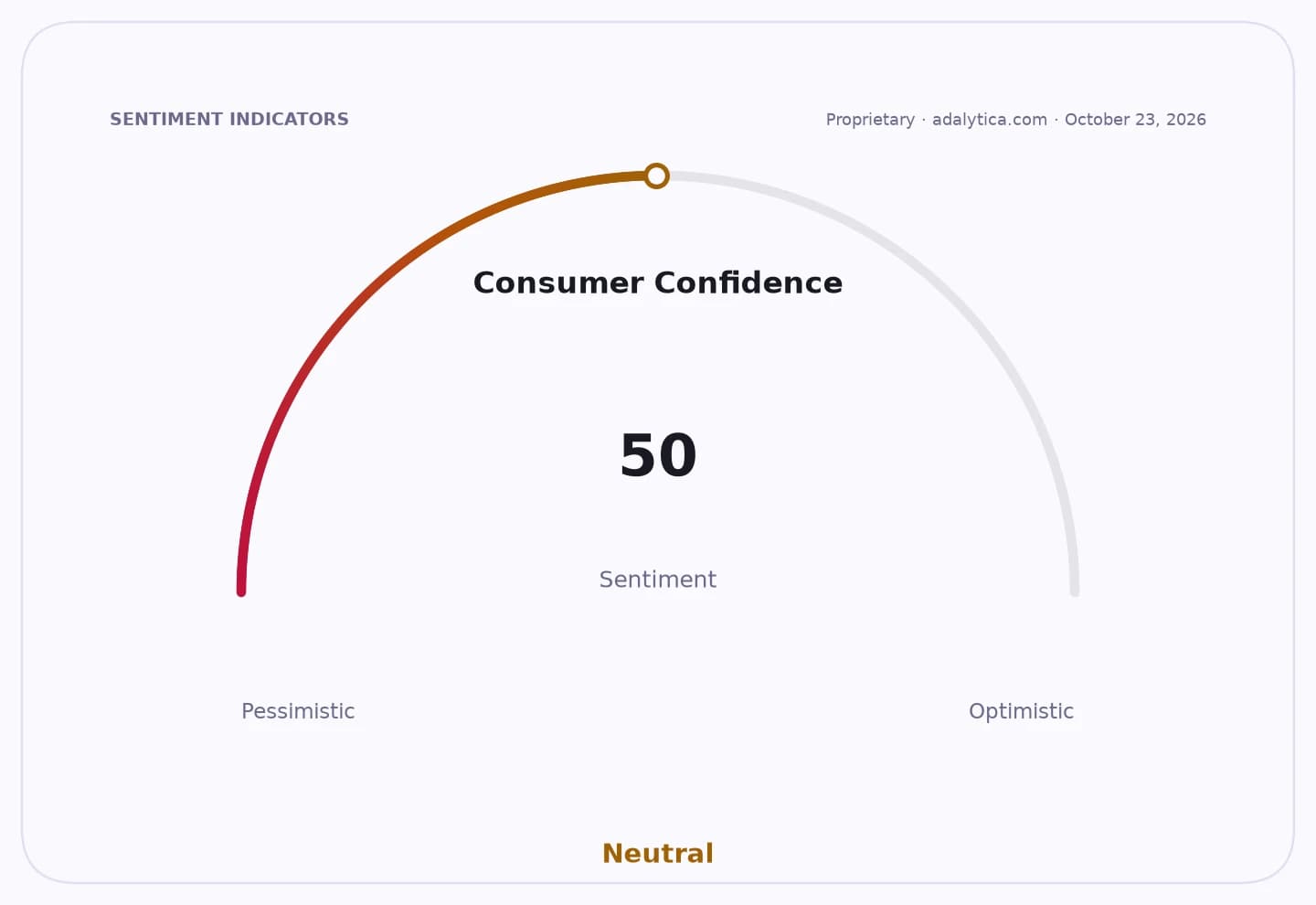
Currency and bond markets are sending a similar signal. Mortier said the yuan has remained stable or stronger, while Chinese government bonds have been among the few positive-return assets this year as global yields climbed, and offshore yuan bond issuance has hit a record. Adalytica’s CNY trade signals showed neutral sentiment at 45, but awareness remained elevated at 75, underscoring growing market attention rather than outright conviction.
The broader message is that China is trying to preserve growth while changing its composition, and that shift could reshape trade flows, sector winners and global capital allocation. If Beijing can pair innovation with healthier corporate returns and a stronger consumer, the transition to “high-quality development” could become the defining investment theme for China assets in the months ahead.
| Entity | Gains | Losses |
|---|---|---|
| China tech, EV and advanced manufacturing firms | ▲More policy support, stronger demand | ▼Property-heavy sectors |
| Global consumers and importers | ▲Lower-cost clean tech and digital goods | ▼Higher-cost legacy industrial supply chains |
| Long-term investors in China assets | ▲Better growth quality, lower systemic risk | ▼Traders relying on old cycle bets |
| Local governments and indebted developers | ▲More pressure to deleverage | ▼Easy credit and speculative property demand |