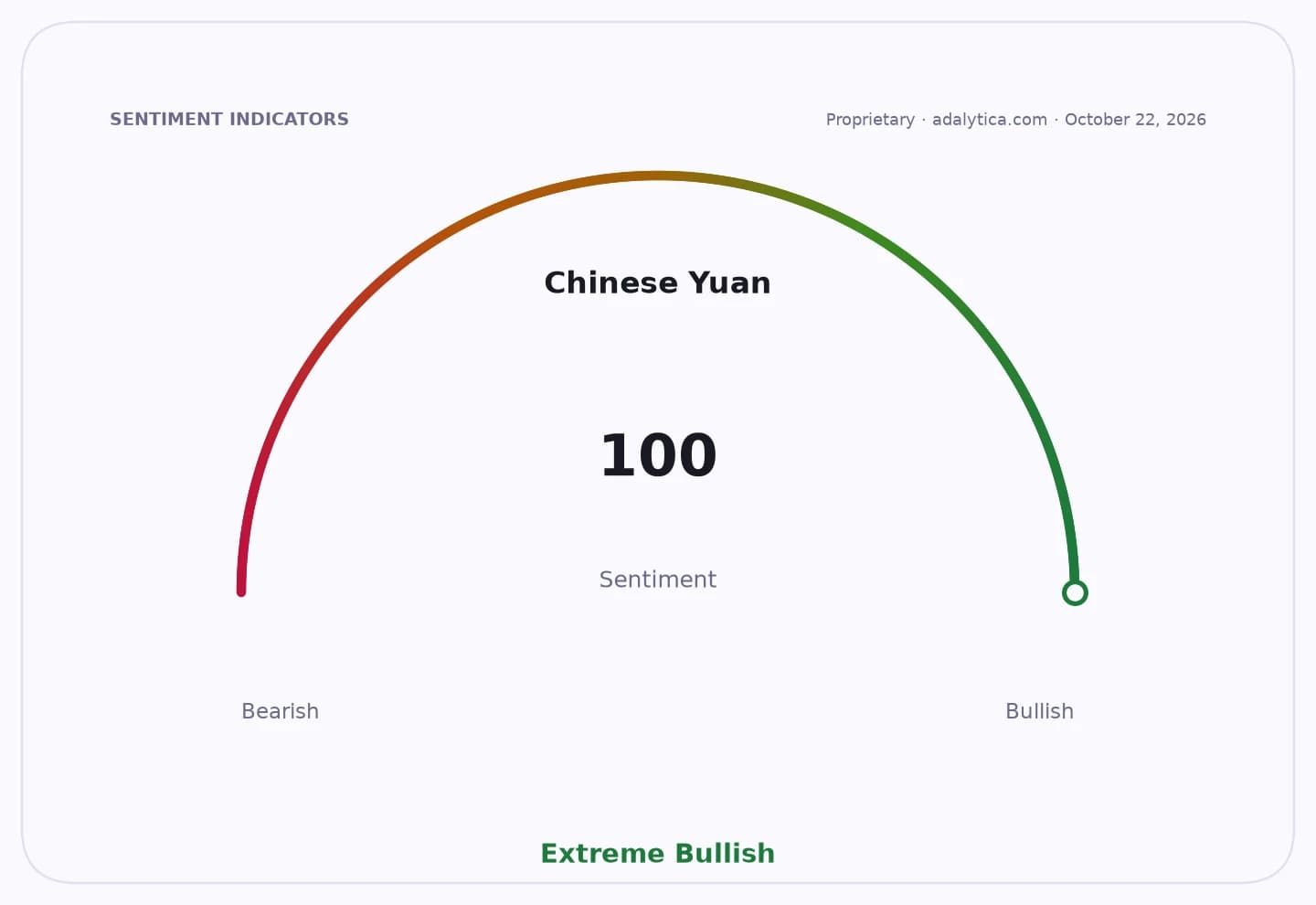
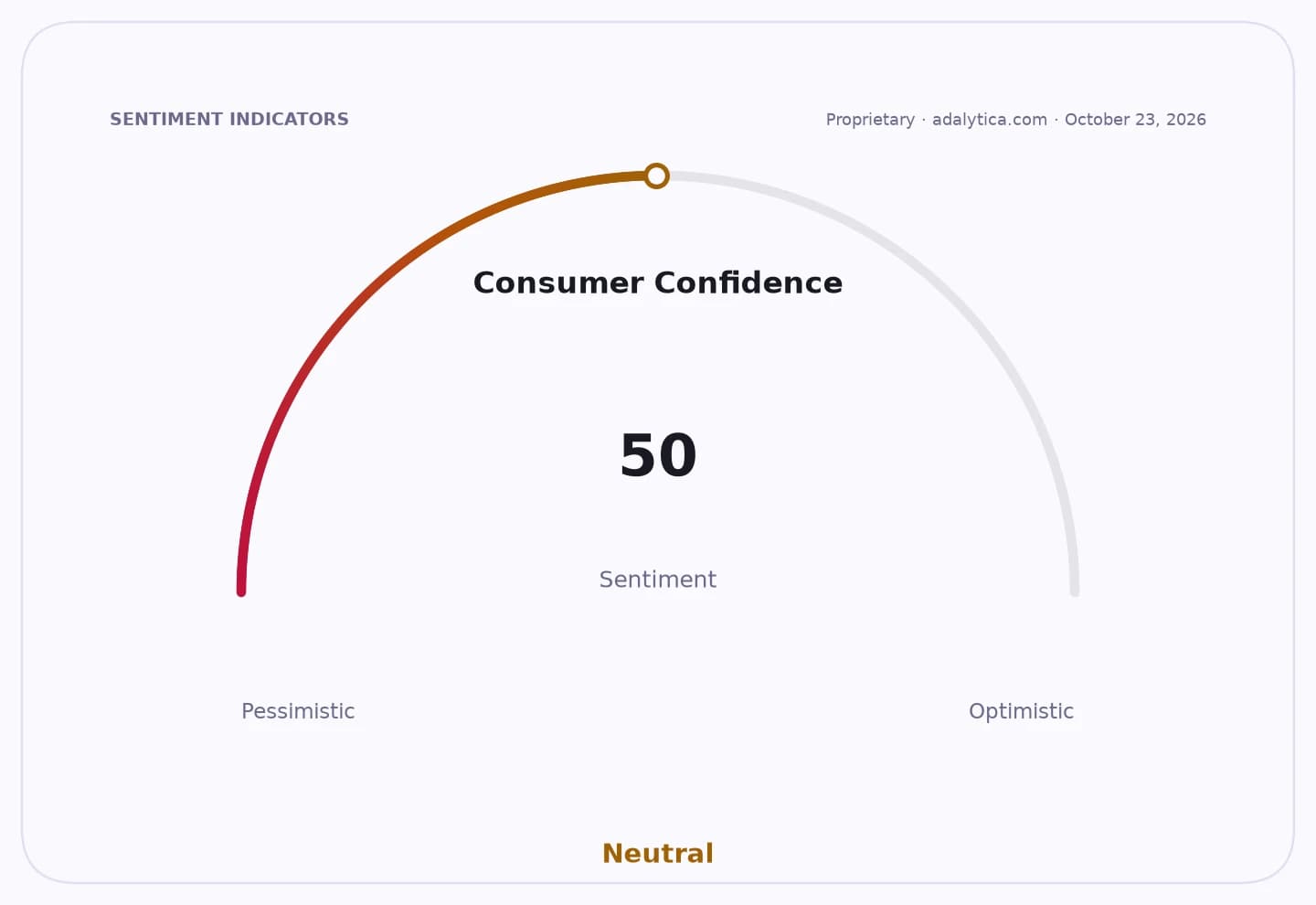
China is still growing fast enough to matter for the world economy, and the bigger story is that it is doing so with a more innovative, more open, and more export-competitive mix than many investors expected.
China GDP Growth, Exports, and Trade Data
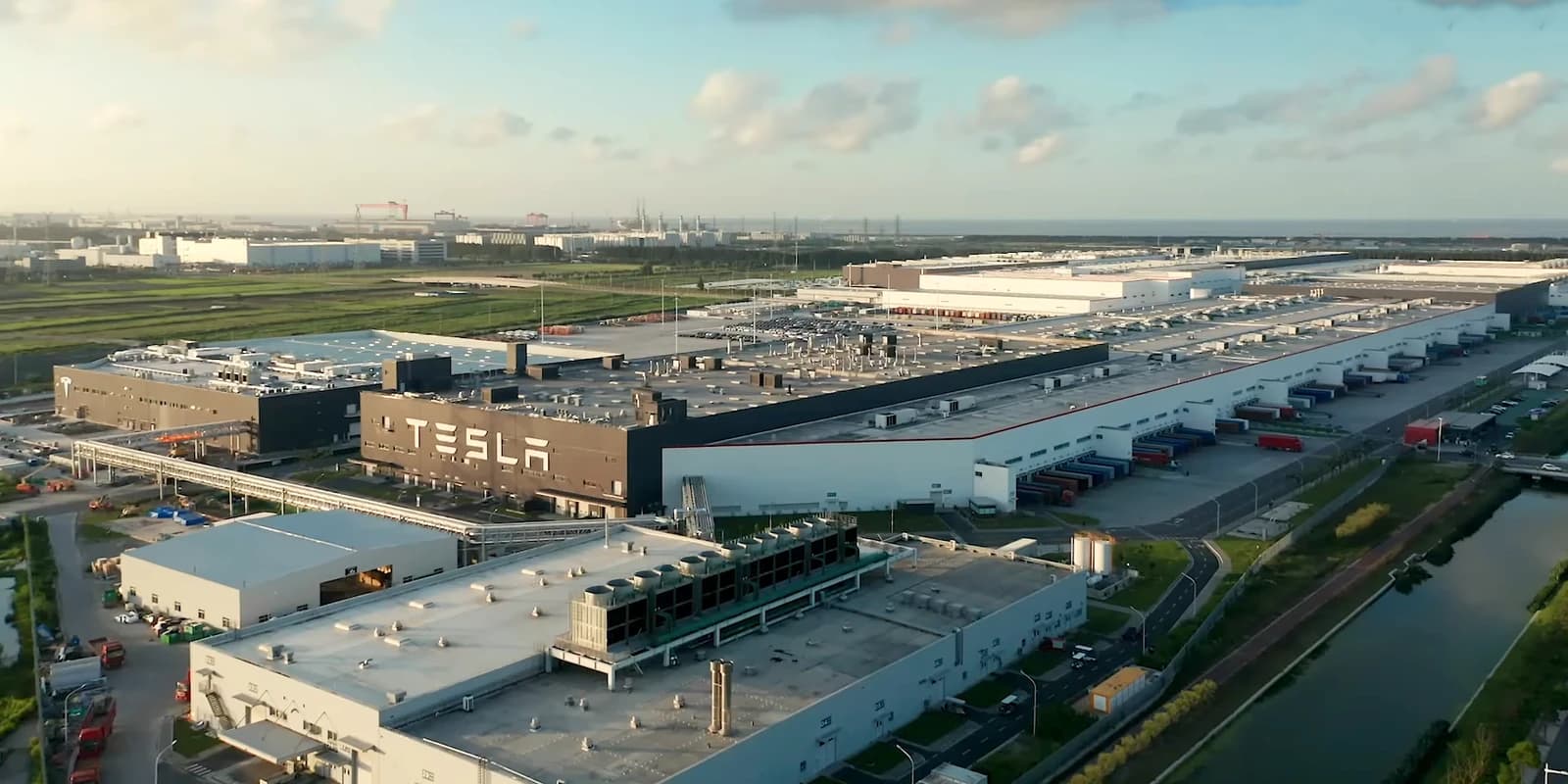
Official data released Monday showed gross domestic product rose 4.6% year on year in the first nine months of the year, with third-quarter growth accelerating to 4.5% from 4.3% in the second quarter. That is not just a stability story. It suggests Beijing is keeping the economy on a respectable growth path even as external uncertainty, tariff barriers and weak global demand weigh on the outlook.
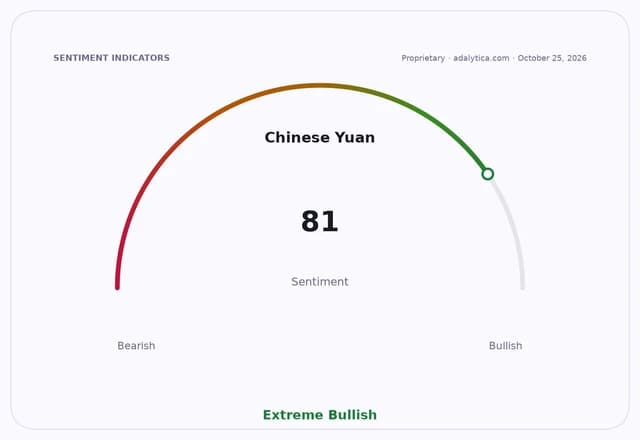
For investors, that matters because China remains a major engine of demand for commodities, industrial goods and consumer brands, while its companies are increasingly competing at the high end of global manufacturing. The economy added 5.7 trillion yuan of output in the January-September period, the biggest increase for the same stretch in five years, a sign that growth is holding together despite pressure on household spending.
The composition of that growth is what makes this cycle different. New growth drivers — including the digital economy, modern services and high-end manufacturing — contributed more than 40% of expansion in the first half of the year, according to Chinese and foreign observers cited by Xinhua. Trade in industrial robots, electronic components, computer parts and electrical equipment topped 10 trillion yuan in the first three quarters, while integrated circuit exports nearly doubled. Exports of electric vehicles, lithium batteries and wind power equipment also surged.
That is the kind of shift long-term investors should pay attention to. China is not simply leaning on old-style property and infrastructure growth. It is building an industrial base that is more technologically advanced, more export-oriented and more deeply tied to the green-energy and AI supply chains that are shaping global competition.
The openness angle is equally important. China’s goods trade with 169 countries and regions rose 18.8% in the first three quarters, and trade with Belt and Road partners climbed 17.1%. Beijing also extended zero-tariff treatment to all 53 African countries with which it has diplomatic relations. That reinforces China’s role as both a supplier and a market, even as global trade fragments and governments talk more about reshoring.
There is still a clear weak spot: consumers remain cautious. Retail sales rose only 1.1% in September, far slower than industrial output and trade. That tells investors the recovery is uneven and that domestic spending still has room to improve before China’s growth model looks fully balanced.
But from a portfolio perspective, the message is hard to ignore. China is sustaining growth, shifting toward higher-value industries and strengthening trade links across the Global South. For patient investors, that means the case for China is less about a quick rebound and more about whether its innovation engine can keep compounding over years, not quarters. It is worth watching — and, for diversified long-term investors, worth keeping on the radar.
| Entity | Gains | Losses |
|---|---|---|
| China’s exporters | ▲Higher overseas demand | ▼Trade barriers and weak global demand |
| High-end manufacturers | ▲Faster growth and pricing power | ▼Traditional low-value industries |
| Global South trading partners | ▲More market access | ▼Dependence on China-linked supply chains |
| Cautious consumers | ▲Lower inflation pressure | ▼Slower domestic demand recovery |