China’s yuan climbed to its strongest level in more than four years on Wednesday as robust export earnings and a softer dollar combined to extend a rally that is tightening conditions for importers but easing pressure on Beijing to support the currency.
China Yuan Hits Strongest Level Since June 2022

The onshore yuan touched 6.6765 per dollar, its firmest level since June 28, 2022, before easing slightly. The move comes as China’s third-quarter growth topped expectations, with exports offsetting weak consumer demand and reinforcing the view that external demand remains the economy’s main stabilizer.
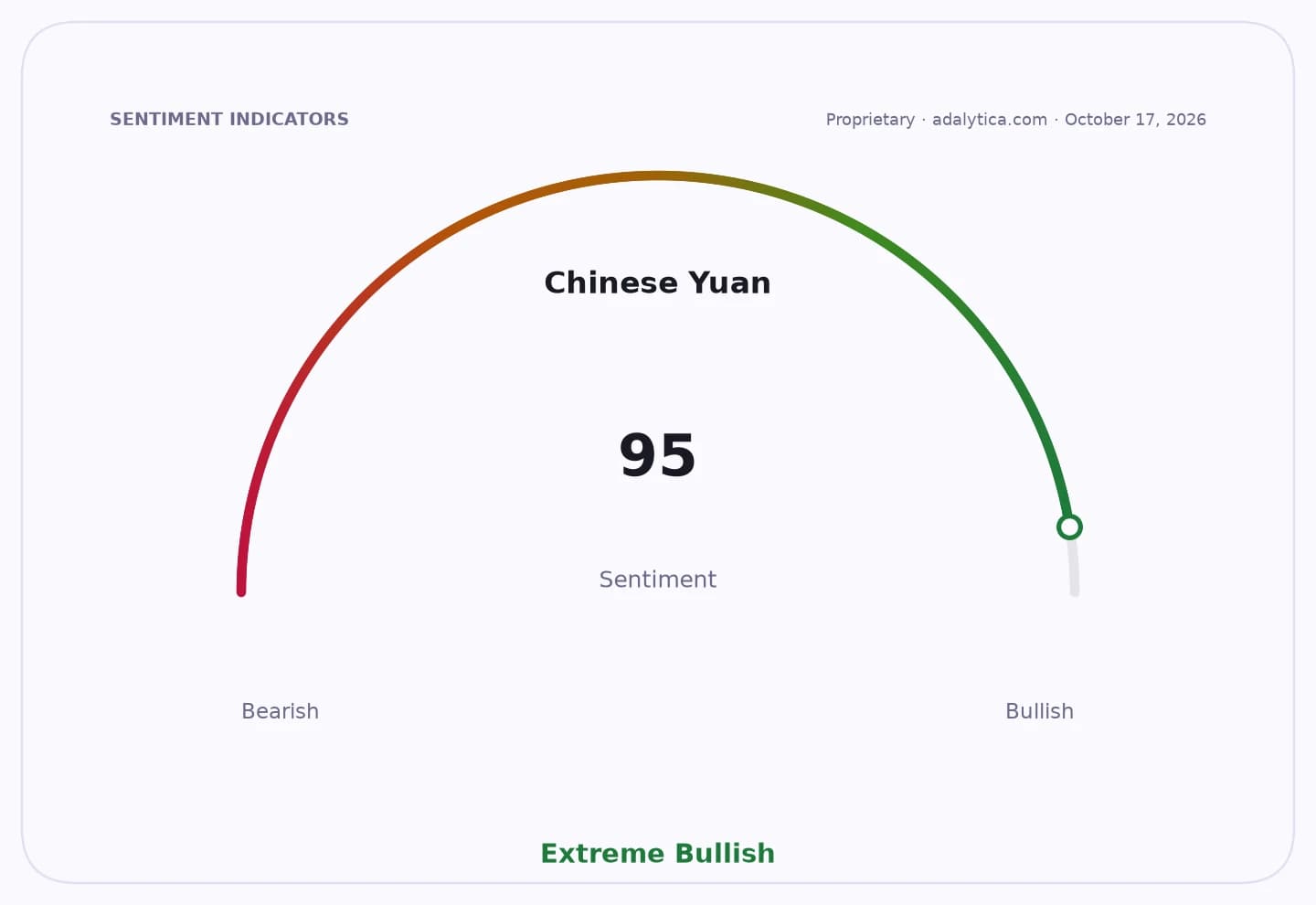
Sentiment IndicatorsⓘProprietary · adalytica.com · October 26, 2026
This is a snapshot — live sentiment, awareness and momentum for 130+ markets update continuously in the dashboard.Open AlphaPulse
The currency’s advance matters because a stronger yuan can reduce imported inflation, lower the local cost of commodities and trim some of the debt burden for firms with dollar liabilities. It also signals that capital is still flowing into China despite lingering concerns over domestic demand, property weakness and trade tensions.
Goldman Sachs estimated China drew $50 billion of net foreign-exchange inflows in September, while the share of foreign-currency receipts converted into yuan rose to 66% from 63% a month earlier. Analysts at Caitong Securities said domestic resilience, capital inflows and stronger corporate demand for yuan have all supported the currency’s appreciation.
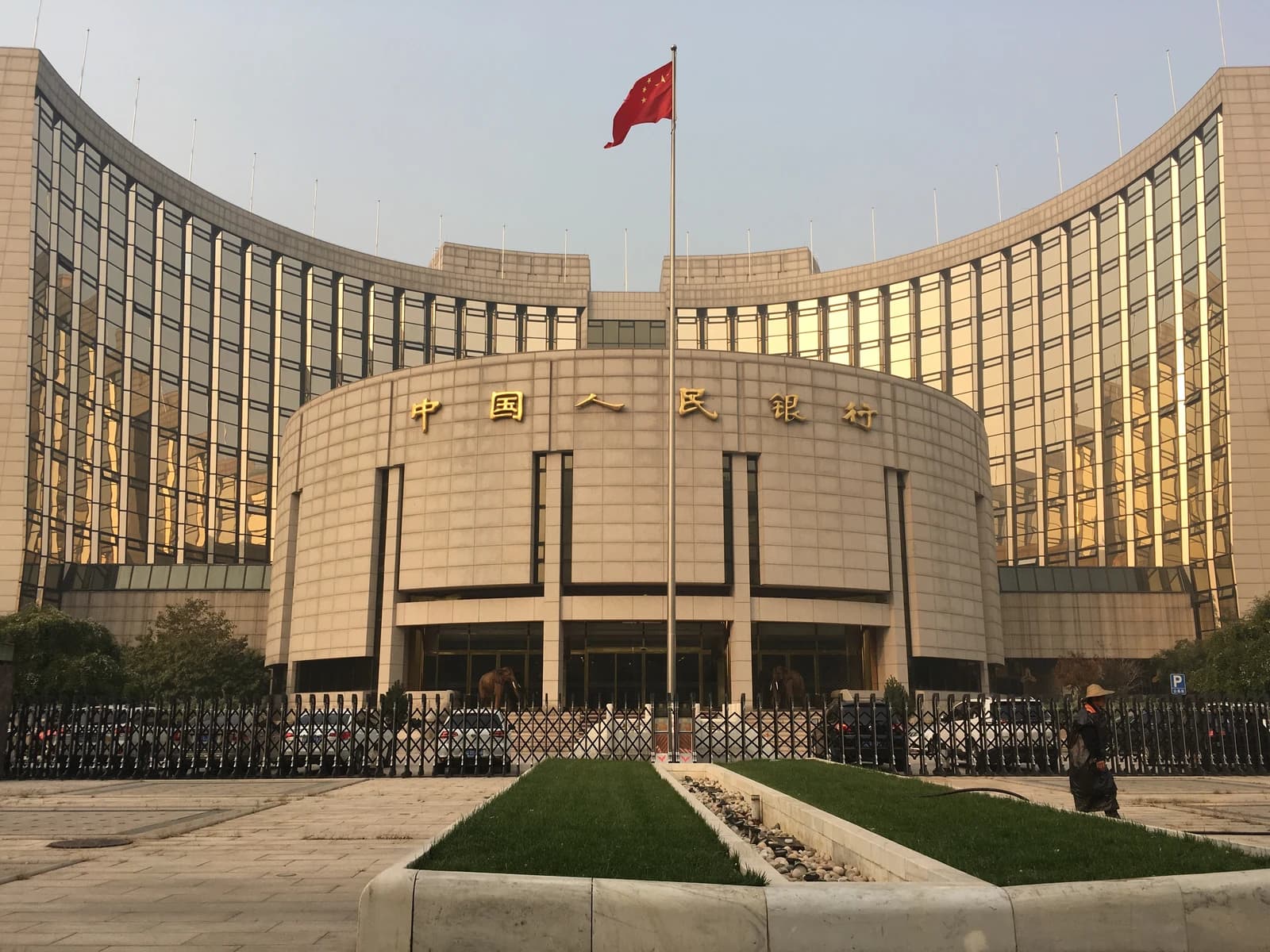
The People’s Bank of China has allowed the daily midpoint to strengthen alongside market gains, setting it at 6.7192 per dollar before Wednesday’s trade, its strongest since February 2023. The bank still fixed the rate 413 pips weaker than Reuters’ estimate, underscoring that it is managing the pace of appreciation rather than endorsing a one-way move.
The dollar’s retreat has added to the pressure on the greenback and helped Asian currencies broadly. Lower US Treasury yields and softer oil prices have dented the dollar’s appeal, while the dollar index was pinned near 101.77.
For investors, the key question is whether China can keep exporting enough to offset weak household demand without provoking a sharper policy response or faster gains in the currency. That balance will shape hedging costs, exporter margins and flows into China-linked assets in the weeks ahead.
| Entity | Gains | Losses |
|---|---|---|
| Chinese exporters | ▲Stronger earnings conversion | ▼Softer yuan competitiveness |
| China importers | ▲Cheaper imports and commodities | ▼Stronger local-currency costs for hedges |
| Beijing/PBOC | ▲Easier FX stability, inflows | ▼Less room to weaken currency support |
| US dollar holders | ▲— | ▼Weaker dollar, lower yield appeal |