Global investors are increasingly moving into yuan-denominated assets as China’s central bank works to widen access to its markets and offer a hedge against dollar volatility, even as capital controls continue to limit how far the currency can go as a true reserve alternative.
Yuan Assets Attract Global Investors as China Opens Markets

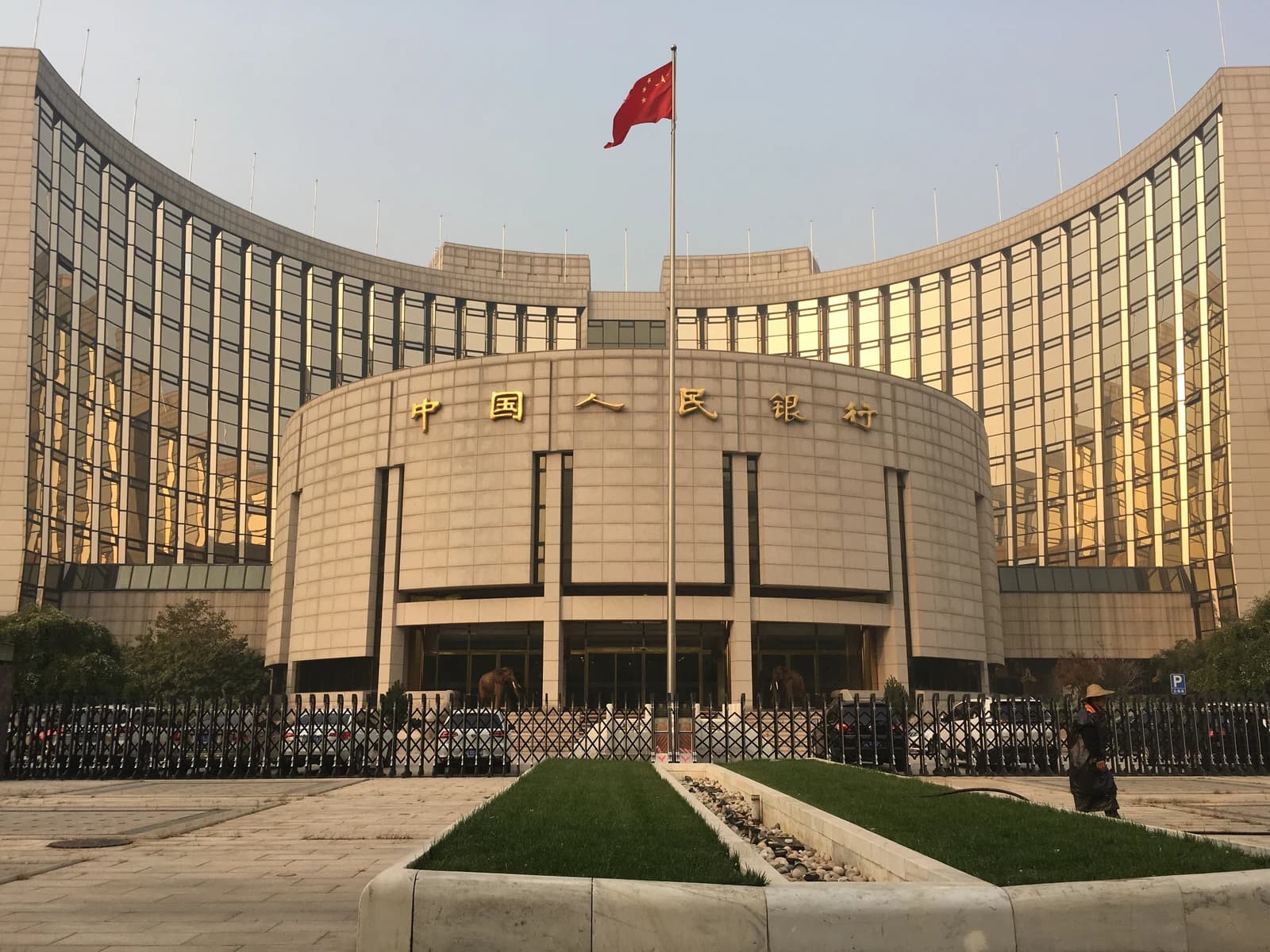
The shift matters because it reflects a broader rebalancing in portfolios at a time when inflation, higher-for-longer rates and geopolitical risk have made Western assets less predictable. People’s Bank of China Governor Pan Gongsheng said at the Lujiazui Forum that Beijing will keep expanding the link between domestic and international financial markets, a signal that China wants foreign money not just in trade flows, but in equities, government bonds and derivatives tied to the renminbi.
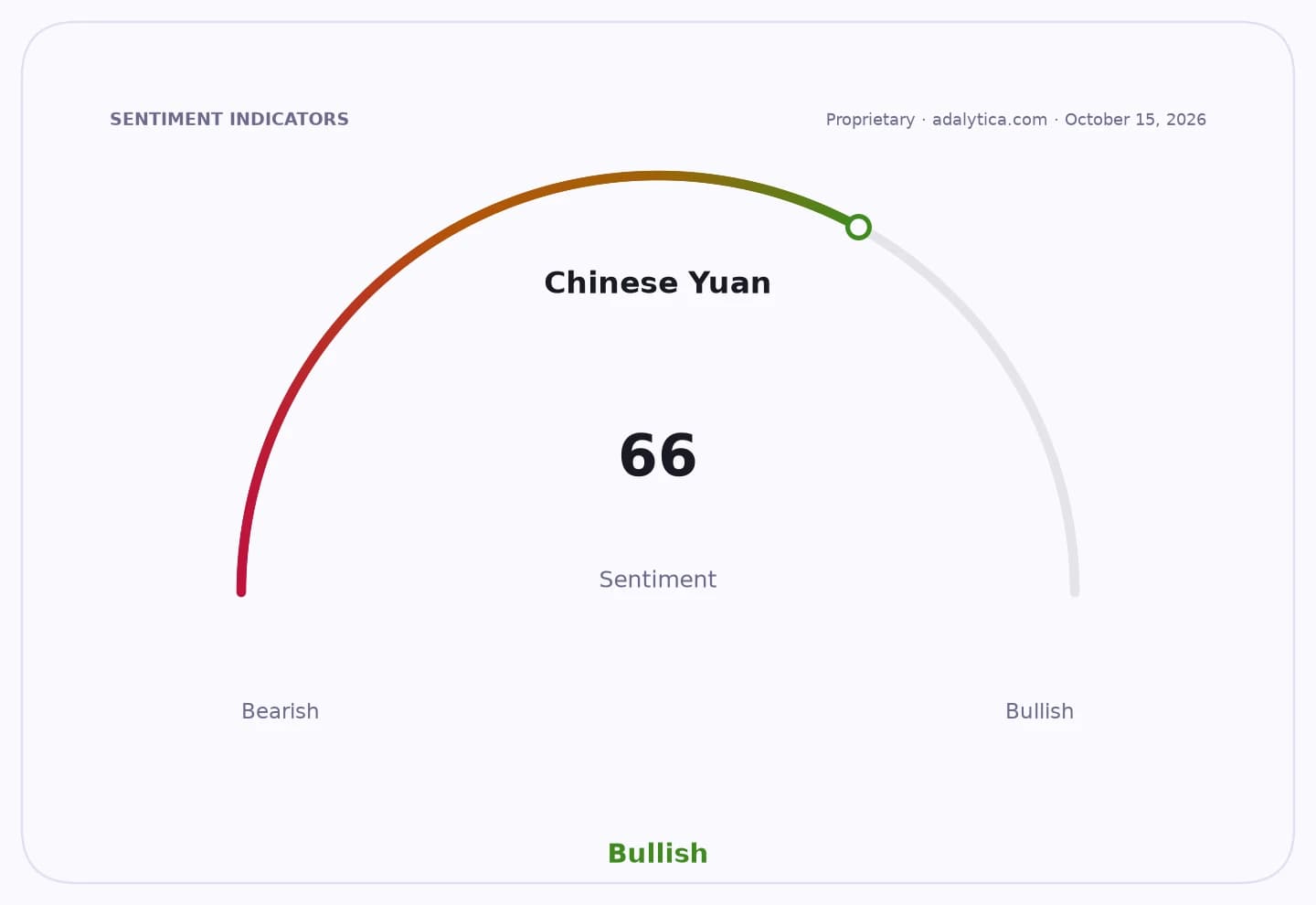
Sentiment IndicatorsⓘProprietary · adalytica.com · October 21, 2026
This is a snapshot — live sentiment, awareness and momentum for 130+ markets update continuously in the dashboard.Open AlphaPulse
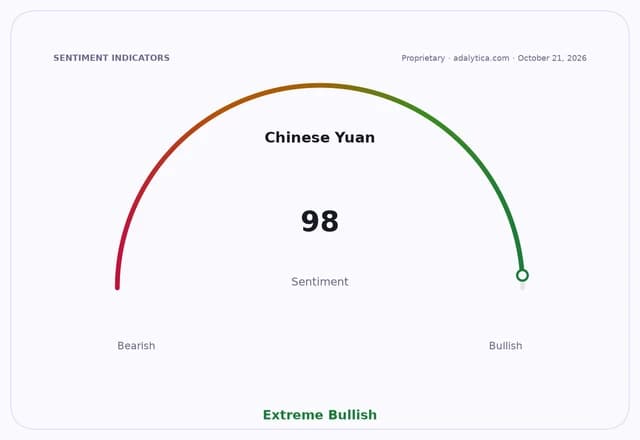
That matters for markets because it gives investors another liquid source of return and diversification at a time when the U.S. dollar’s direction has become a more important risk factor. SWIFT data show the yuan has climbed to fourth place among the world’s most-used payment currencies, accounting for about 4.5% of global transactions. That is still far behind the dollar, but it marks a notable rise in the yuan’s usefulness for settlement, financing and portfolio allocation.
For asset managers, the appeal is practical as much as strategic. Rising holdings of Chinese stocks and government bonds suggest some global funds are trying to reduce exposure to dollar assets and cross-currency risk, while also tapping China’s still-large bond market and a distinct growth cycle. The PBoC’s support for more yuan-based derivatives and hedging tools in Shanghai could deepen that trend by making it easier for foreign institutions to manage exchange-rate exposure and repatriation risk.
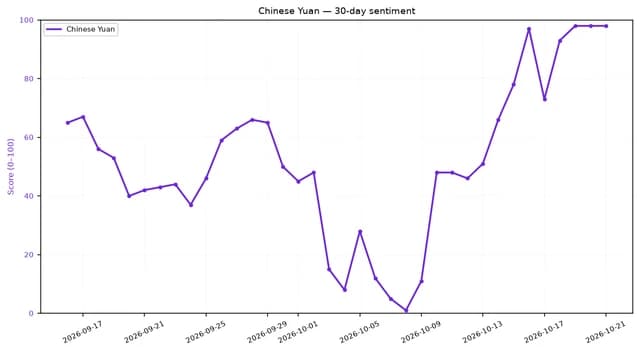
Still, the investment case is constrained by the same features that have kept the yuan from becoming fully convertible. Analysts say foreign investors remain wary of China’s cross-border capital controls, liquidity conditions and legal transparency, especially when they need to move money out quickly. That means inflows may stay selective rather than broad-based unless Beijing goes further on market access and rule clarity.
The implications extend beyond China. For exporters and importers, especially in Asia, a greater role for the yuan in invoicing and settlement could lower transaction costs and reduce dependence on the dollar. For investors, it creates a potential long-term diversification theme, but one that must be weighed against policy risk, currency management and the possibility that Beijing prioritizes stability over full liberalization.
If China can keep widening market access without triggering capital flight, yuan assets could become a more durable part of global portfolios. If not, the current enthusiasm may prove cyclical, driven as much by dollar unease as by confidence in the yuan itself.
| Entity | Gains | Losses |
|---|---|---|
| Global investors | ▲Diversification and yuan exposure | ▼Dollar-only portfolios |
| Chinese policymakers | ▲Greater market relevance | ▼Loss of capital-control flexibility |
| Exporters and importers in Asia | ▲Lower FX conversion costs | ▼Dollar settlement dependence |
| U.S. dollar assets | ▲— | ▼Relative portfolio share |