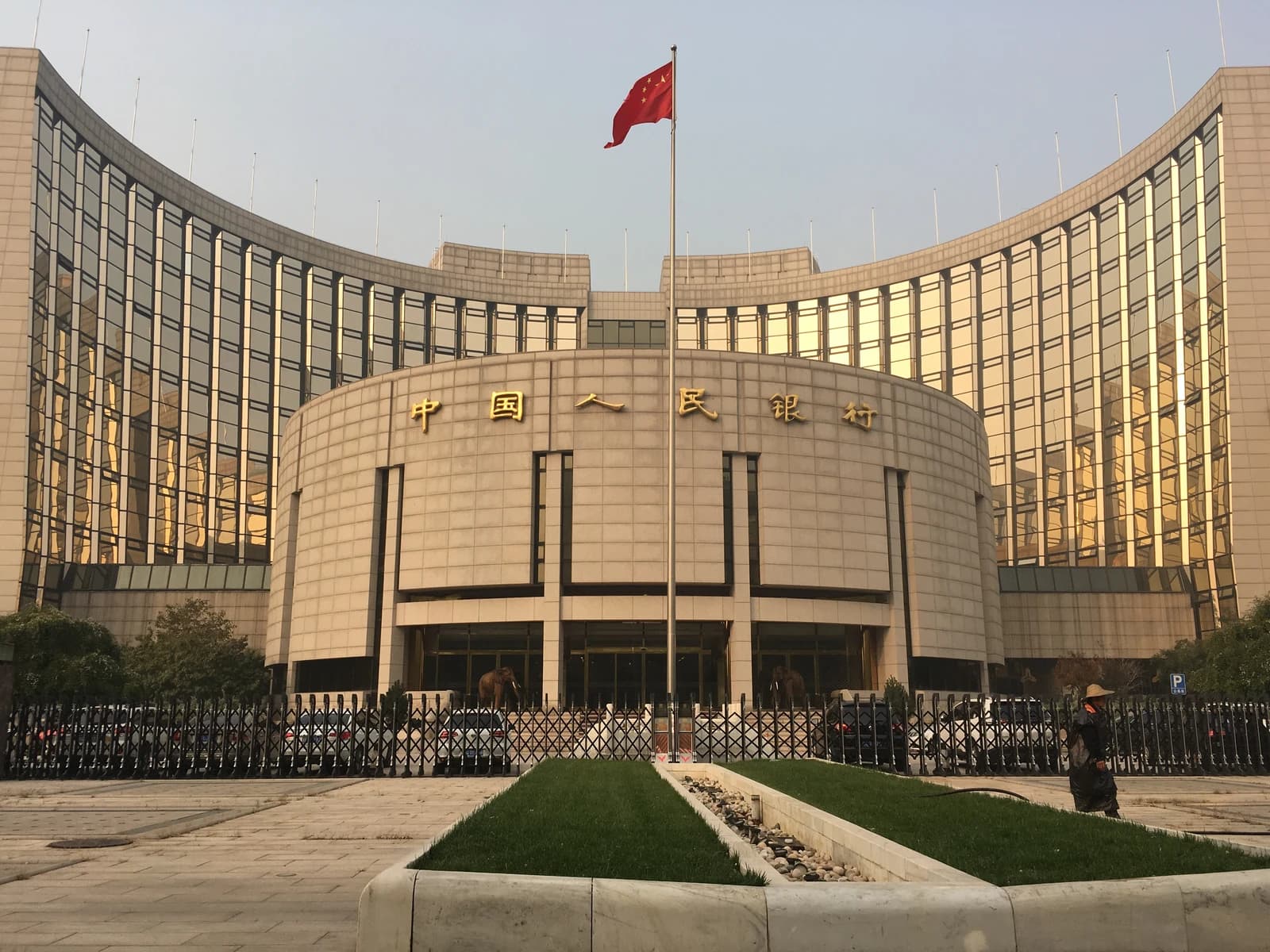
China is widening the use of the yuan in gold trade, a slow-burn challenge to dollar dominance that matters because it chips away at the currency that still sets most global commodity prices, trade settlement and reserve decisions.
China widens yuan use in gold trade
The strategy hinges on bullion, one of the world’s most trusted stores of value. Beijing has bought gold for 23 straight months, taking its reserves to more than 2,300 tons by the second quarter of 2026, according to World Gold Council figures cited in the source material, while the U.S. holds more than 8,100 tons. China still has only about a third of America’s gold stockpile, but the point is not to catch the U.S. on ounces alone.
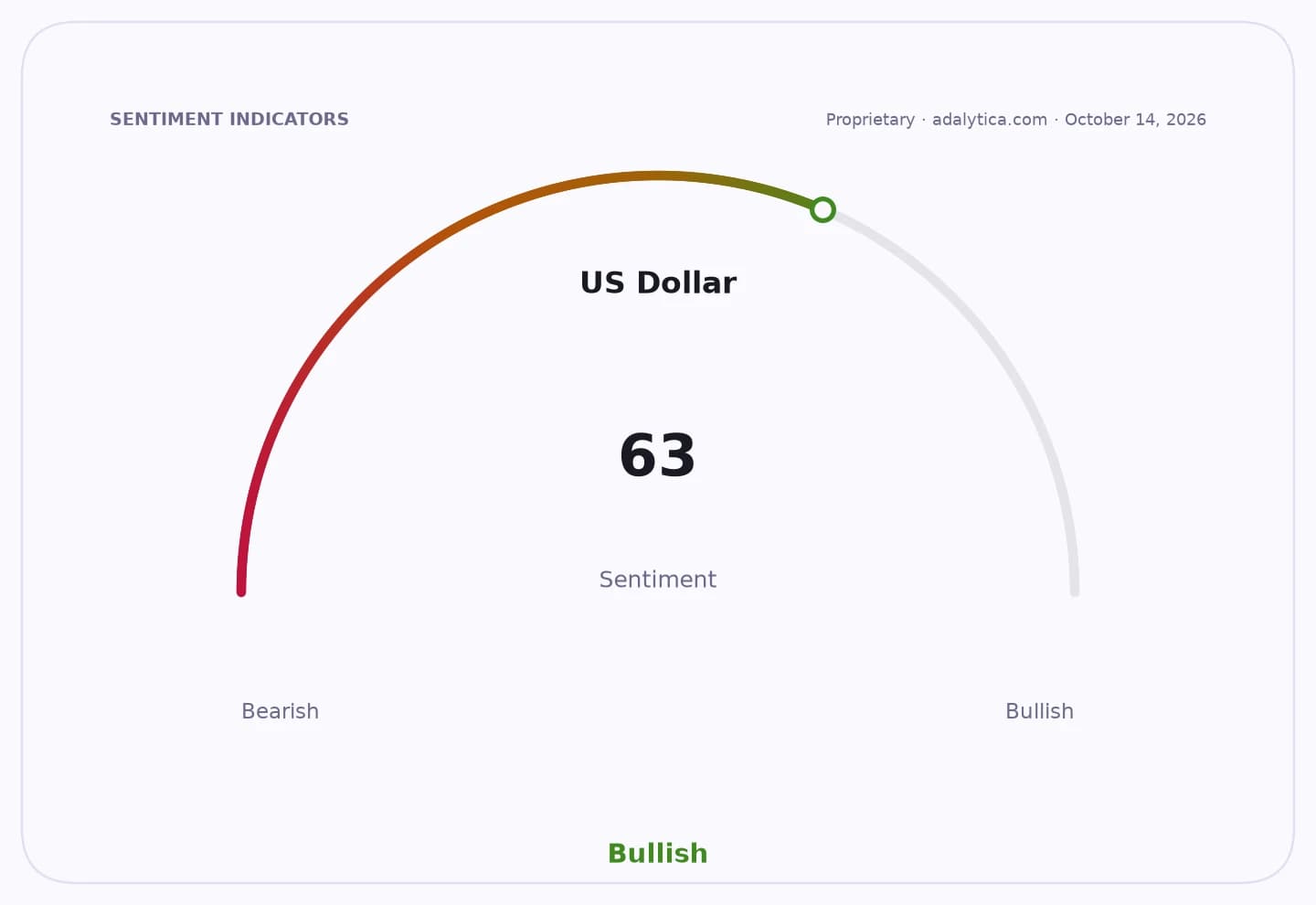
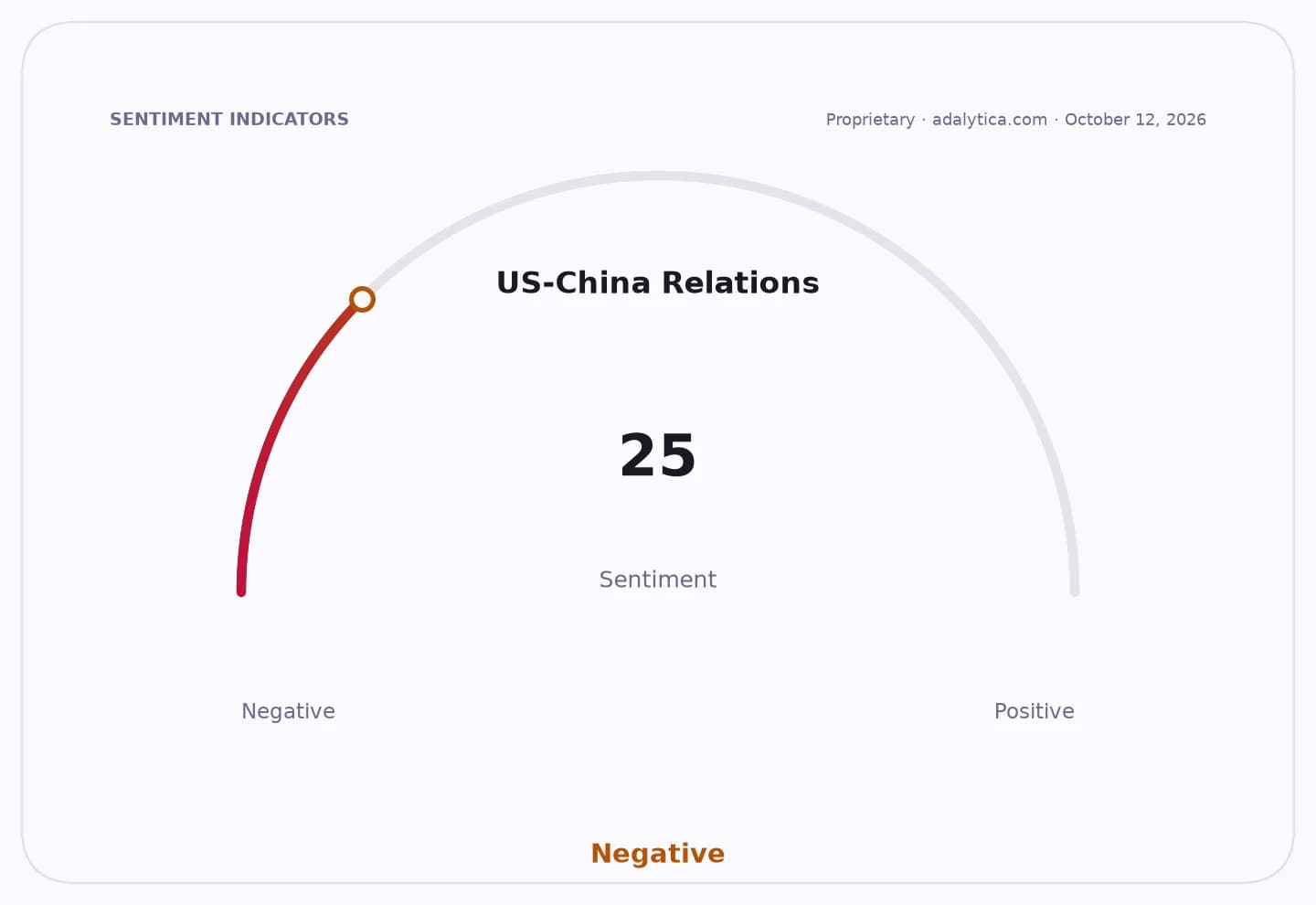
Sentiment IndicatorsⓘProprietary · adalytica.com · October 15, 2026
This is a snapshot — live sentiment, awareness and momentum for 130+ markets update continuously in the dashboard.Open AlphaPulse
Instead, China wants counterparties to settle gold trades in yuan, or renminbi, rather than dollars. If foreign banks and traders buying bullion in Hong Kong pay in RMB, they no longer need to convert through the dollar, giving the Chinese currency a practical role in a market that touches central banks, refiners, vaults and commodity desks across the world.
That is why Hong Kong is central to the plan. The city’s gold vault was linked last year to a vault in Shanghai, creating a logistical bridge that could allow international institutions to take physical delivery for yuan-denominated payments. Beijing is also reaching further down the supply chain: S&P data cited in the source says Chinese interests have taken stakes in major gold mines across Latin America, Africa and Asia.
The economic significance is broader than gold. Oil, metals and many cross-border transactions are still priced in dollars, so even modest growth in yuan settlement would matter for foreign-exchange markets, importers, exporters and the way countries manage reserves. It would also give Beijing another lever in its long campaign to reduce dependence on the dollar without forcing an abrupt confrontation.
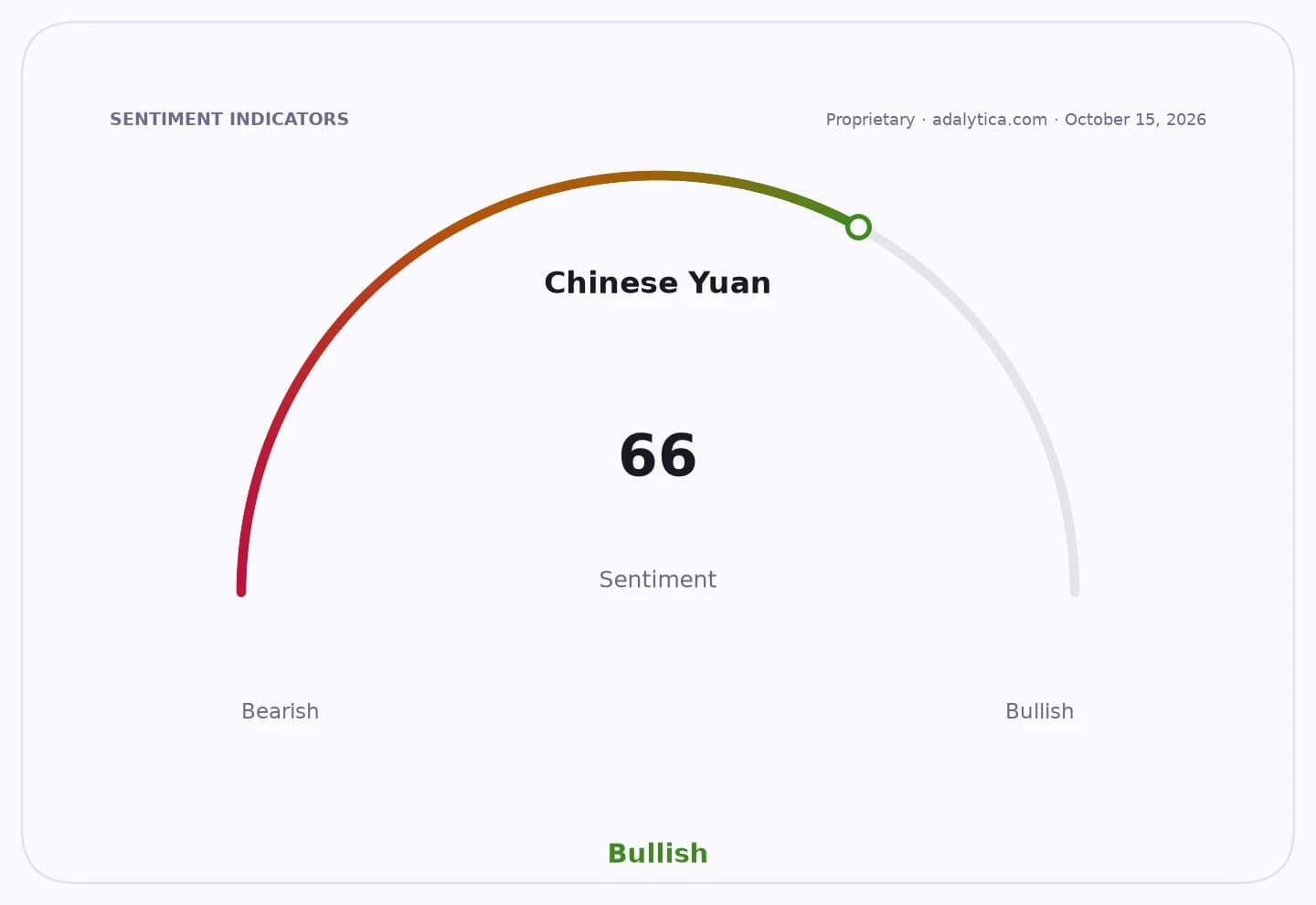
Markets are already showing how sensitive investors are to any shift in that direction. The iShares Currency Trust Chinese Yuan ETF, FXY, was last at 57.88 on Oct. 14, holding near its 50-day moving average of 58.11 and above the 200-day average of 57.92, while the Invesco DB U.S. Dollar Index Bullish Fund, UUP, was at 29.12, near recent highs and above both its 50-day and 200-day averages. Adalytica’s trade signals also show the yuan drawing stronger attention, with CNY awareness at 90 and sentiment at 66, while the dollar’s trade sentiment is at 85.
Even so, the dollar is not losing its crown anytime soon. China can accumulate gold, build settlement channels and deepen its reach into mining, but replacing the dollar requires trust, liquidity and broad adoption across trade and finance. For investors, that means the main risk is not an immediate regime change, but a gradual erosion of dollar exclusivity in commodity markets — a shift that could reshape reserve allocation, FX flows and the pricing power of the world’s dominant currency over time.
| Entity | Gains | Losses |
|---|---|---|
| China / yuan | ▲Wider settlement use | ▼Dollar dependency |
| Hong Kong gold market | ▲More international flow | ▼Dollar-based trading |
| Dollar | ▲None immediately | ▼Share of commodity settlement |
| Traders using RMB | ▲Lower FX conversion need | ▼Reliance on USD rails |