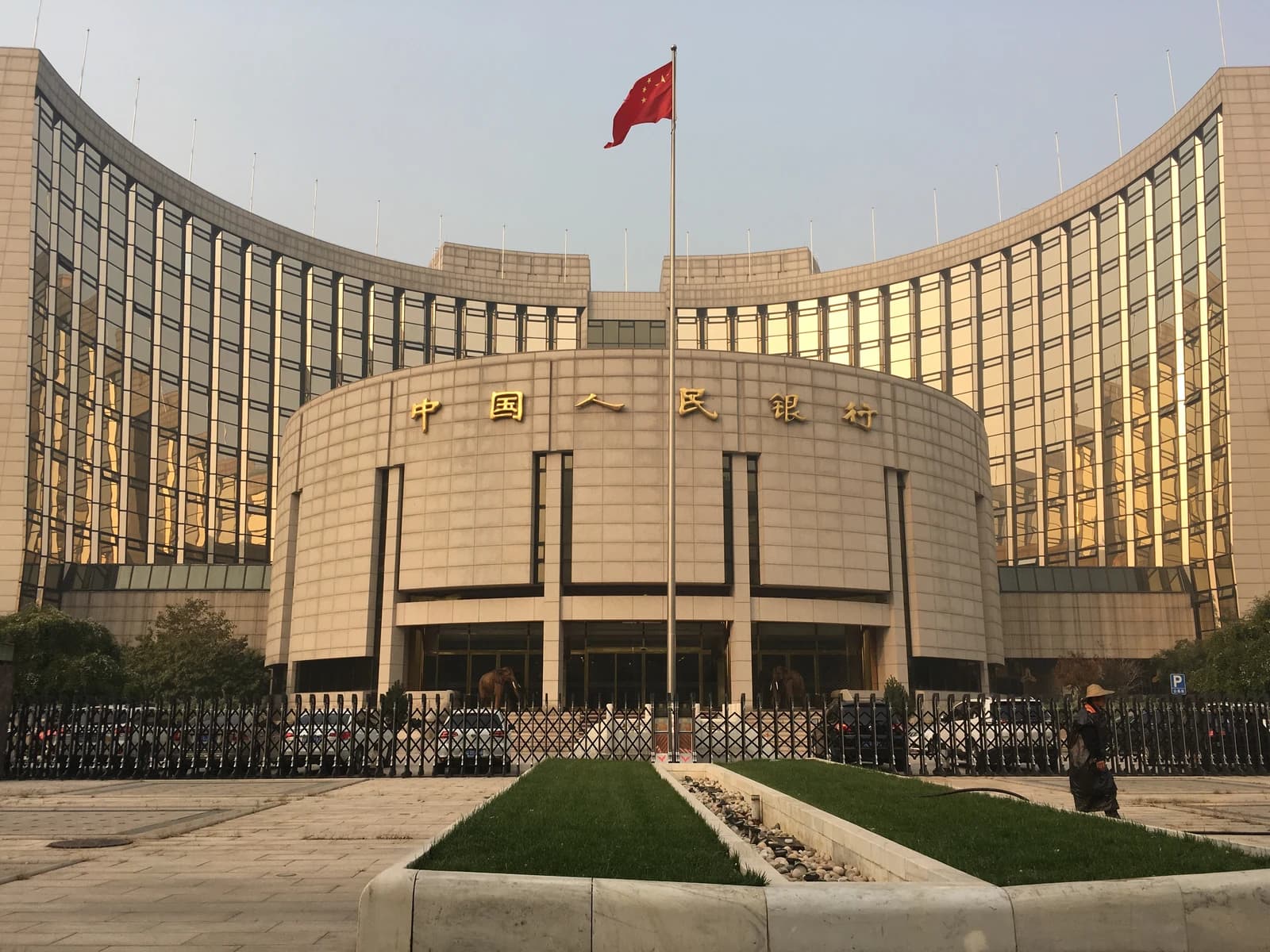
The gap between US and Chinese borrowing costs has widened enough to start changing how governments and companies finance themselves, as higher American yields push more borrowers toward yuan-denominated debt.
US-China Yield Gap Pushes Borrowers Toward Yuan Debt
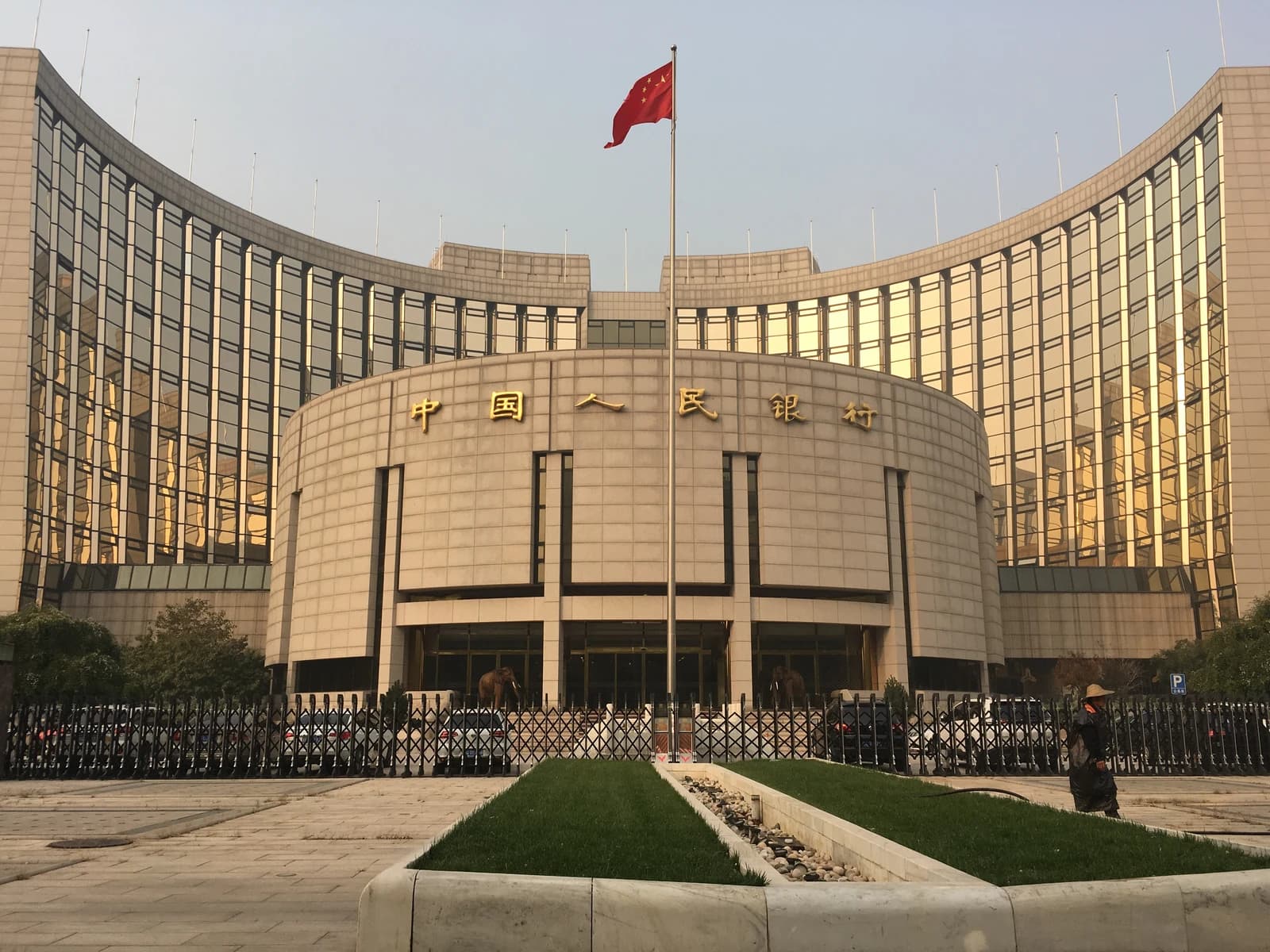
With the US 10-year Treasury near 5.3% and the comparable Chinese government bond around 1.7%, the spread is roughly 360 basis points — an unusually large premium that makes the yuan look increasingly attractive for issuers seeking to cut interest expense. That does not make the Chinese currency a replacement for the dollar, but it does create a cheaper funding channel that Beijing can use to deepen its financial influence.
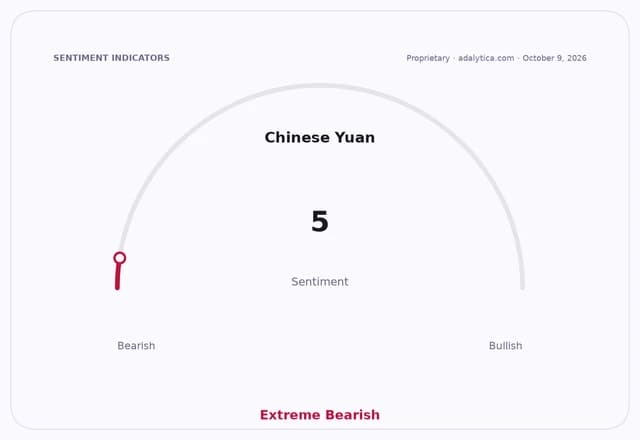
Sentiment IndicatorsⓘProprietary · adalytica.com · October 9, 2026
This is a snapshot — live sentiment, awareness and momentum for 130+ markets update continuously in the dashboard.Open AlphaPulse

The shift matters because debt currency is not just a pricing decision. It determines who holds leverage over a borrower when markets tighten. Dollar debt leaves countries exposed to Federal Reserve policy, dollar shortages and higher refinancing costs when US yields stay elevated. Yuan debt shifts at least part of that exposure toward China, along with the need to maintain access to yuan liquidity through trade, swap lines or new borrowing from Chinese banks.
That dynamic is already visible in the market. Foreign issuers raised about 160 billion yuan through panda bonds in the first half of 2026, while offshore dim sum bond issuance reached 358 billion yuan, both up more than 60% from a year earlier, according to Goldman Sachs estimates cited in the Greek-language analysis. Kenya has converted railway debt from dollars into yuan, saying the move could save about $215 million a year, and Pakistan and Ethiopia have also pursued yuan-based financing.
For Beijing, the appeal is strategic as well as financial. China’s low rates partly reflect weak domestic demand and deflationary pressure, but abroad they give state banks and policy lenders a competitive weapon. The country does not need the yuan to dethrone the dollar to gain influence; it only needs to win slices of the global financing market, one rail line or refinancing at a time.
Investors are likely to read this in two ways. Bullish yuan investors may see an expanding offshore debt market, more trade settlement in Chinese currency and greater demand for yuan liquidity. Dollar bulls will argue the US still dominates global reserve, payments and funding markets, while China’s capital controls and the yuan’s limited convertibility cap the currency’s reach. The latest Adalytica snapshot underscores that tension: yuan trade sentiment is in “Extreme Fear,” even as the dollar remains in a stronger position, suggesting the shift is structural rather than abrupt.
The bigger risk for borrowers is that cheap yuan funding is not free. If a country earns mostly dollars but borrows in yuan, a stronger Chinese currency can erase part of the interest-rate advantage. That means the People’s Bank of China’s currency policy now carries more international weight: avoiding sharp yuan appreciation helps not only exporters, but also the growing pool of foreign borrowers linked to Chinese financing.
For investors, the message is that the global debt map is becoming more multipolar, but unevenly. The dollar still sets the benchmark for safety and liquidity. The yuan is becoming a practical alternative for selected borrowers, especially those priced out of the dollar market. The immediate winners are sovereigns and companies with access to both funding pools. The losers are dollar-dependent borrowers facing refinancing at the highest US yields in roughly two decades, and the Treasury market itself if foreign official demand keeps fading.
| Entity | Gains | Losses |
|---|---|---|
| Chinese banks and lenders | ▲More overseas lending | ▼Higher balance-sheet exposure |
| Borrowers with yuan access | ▲Lower financing costs | ▼FX risk versus yuan |
| US Treasury market | ▲None | ▼Higher funding pressure |
| Dollar-dependent emerging markets | ▲None | ▼Costlier refinancing |