Ghana’s decision to let importers settle China trade in yuan could ease pressure on the dollar, but it also risks locking an already lopsided trading relationship more tightly into Beijing’s financial orbit.
Ghana lets importers pay China trade in yuan
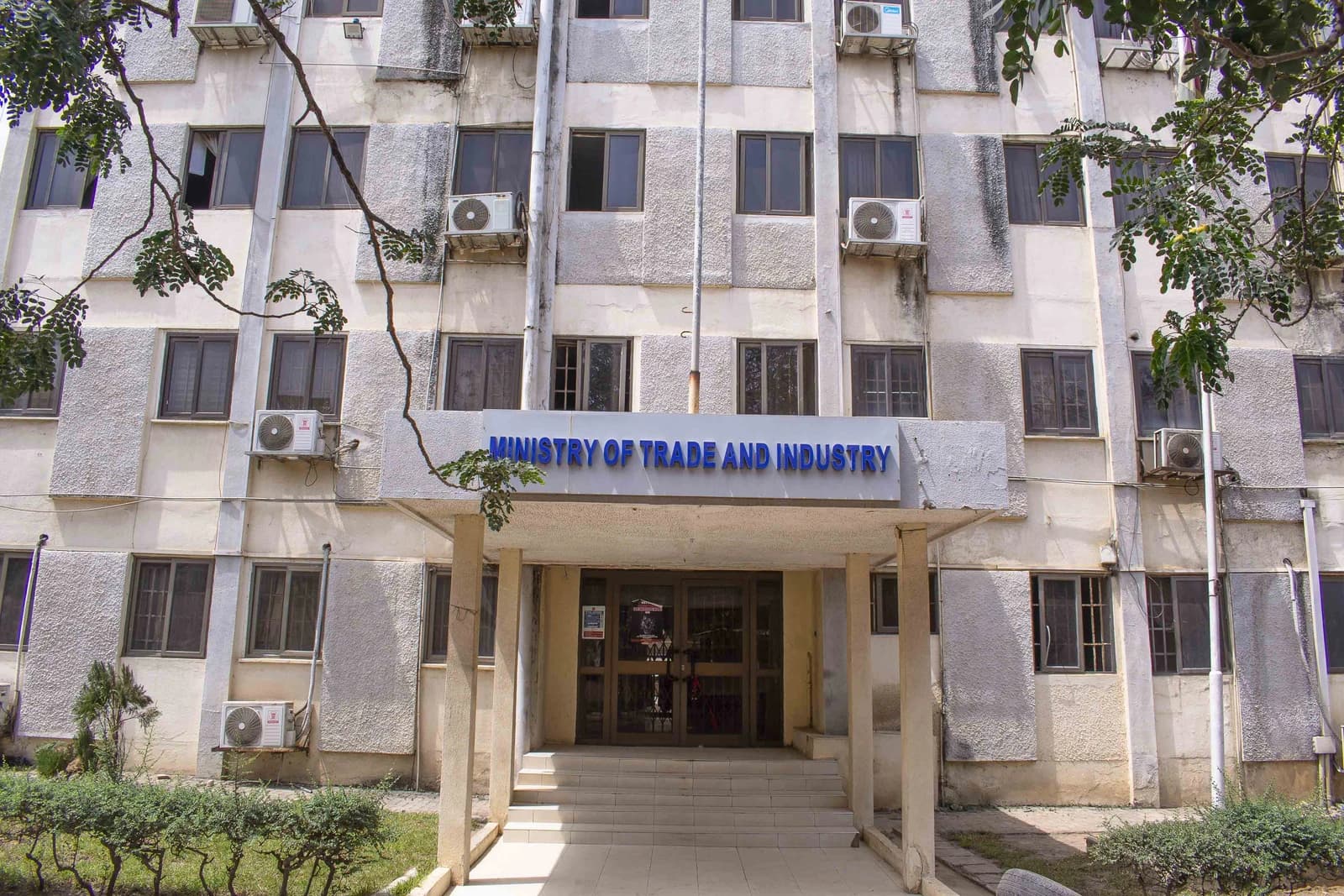
The new Bank of Ghana rule is designed to reduce demand for scarce U.S. currency at a time when importers have struggled with high dollar costs. In practice, it gives Ghanaian businesses a cheaper and simpler way to pay for Chinese goods through China’s Cross-Border Interbank Payment System, or CIPS, rather than sourcing dollars first and converting them. For a country where imports from China have become dominant, the policy may relieve a near-term foreign-exchange bottleneck. It does not, however, address the deeper problem: Ghana imports far more from China than it sells there, and easier payment terms may worsen that imbalance.
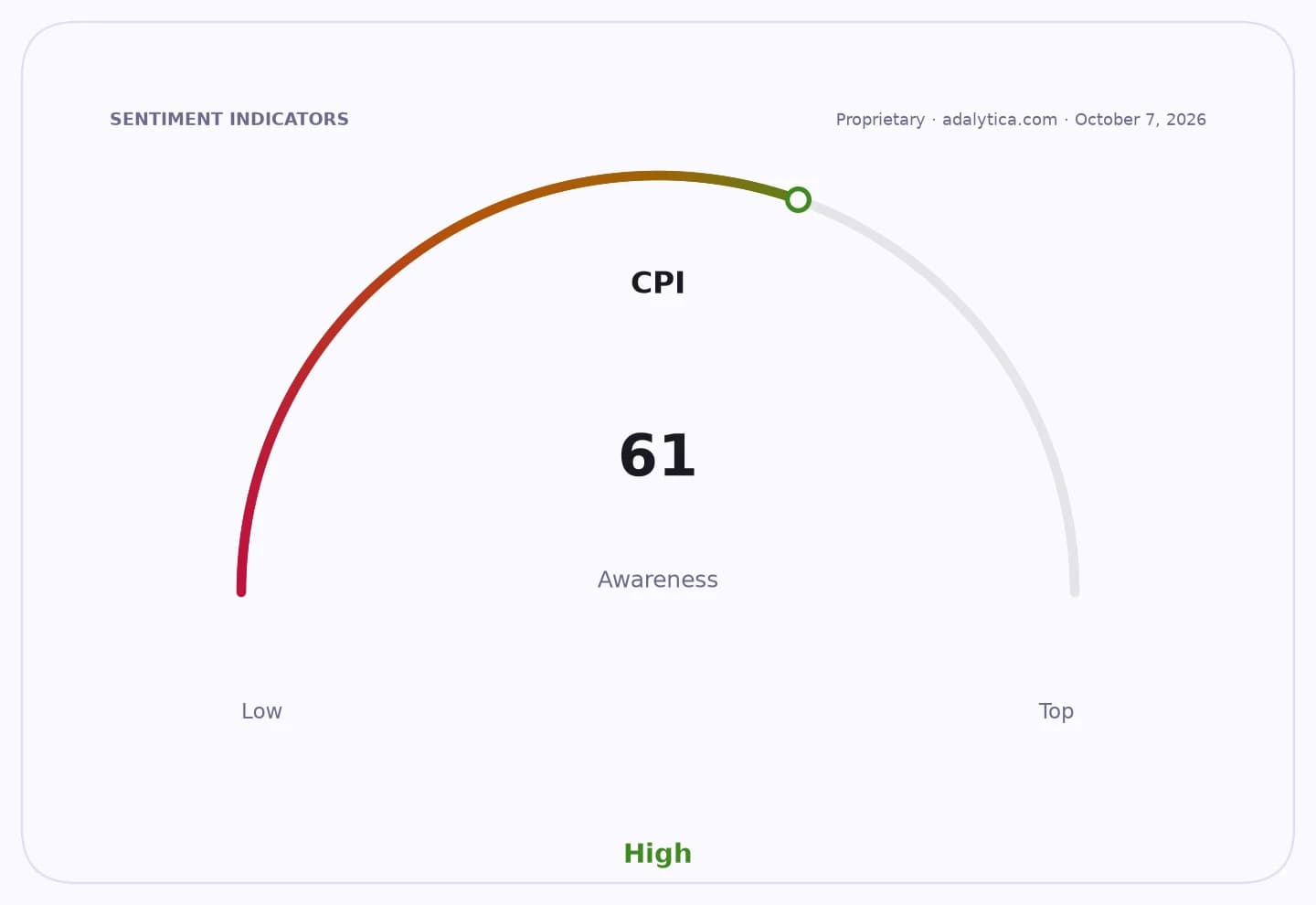
Sentiment IndicatorsⓘProprietary · adalytica.com · October 7, 2026
This is a snapshot — live sentiment, awareness and momentum for 130+ markets update continuously in the dashboard.Open AlphaPulse

The scale of the dependence is stark. Ghana imported $9.84 billion of goods from China in 2024, equal to 61.5% of its total exports to all countries of $16 billion. Chinese goods accounted for 48.2% of Ghana’s total import bill of $20.4 billion, meaning almost one out of every two dollars Ghana spent abroad went to a single country. By contrast, Ghana sold only about $2 billion to China last year, implying it bought nearly five dollars’ worth of Chinese products for every dollar it exported there.
That trade structure is why the yuan policy matters beyond foreign exchange. It can lower transaction frictions and reduce immediate dollar demand, which is helpful for a currency market that has often lacked enough supply to meet import needs. But if the effect is to make Chinese goods even easier to buy, the policy risks reinforcing the import model Ghana is trying to move away from. Local manufacturers already face competition from low-priced Chinese products. Easier settlement in yuan could amplify that price advantage and make it harder for domestic industry to gain ground.
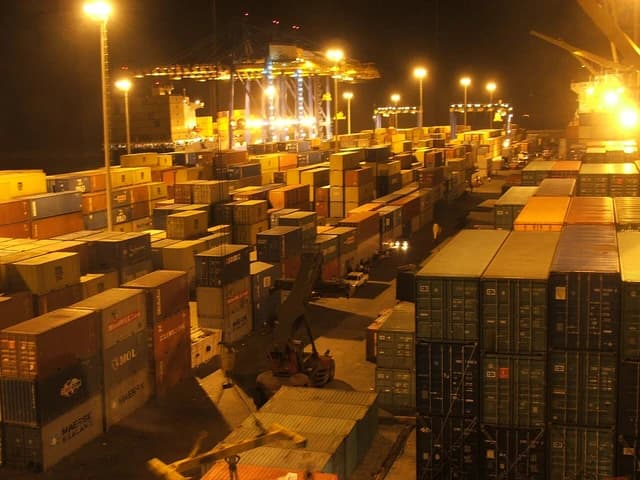
For investors, the policy is a mixed signal. In the short term, it could support stability in Ghana’s dollar market and reduce pressure on businesses exposed to import costs, which is constructive for inflation and margins in retail, distribution and trade-heavy sectors. But longer term, it raises questions about the country’s industrial strategy and external vulnerability. A trade system that becomes more tightly tied to Chinese payment infrastructure may improve efficiency today while increasing strategic dependence tomorrow.
The broader narrative is that Ghana is solving a payments problem with a policy that may deepen a production problem. Unless the yuan shift is paired with cheaper financing, reliable power and stronger support for exporters and manufacturers, the likely result is not import substitution but more Chinese imports, a wider trade gap and greater reliance on one trading partner.
| Entity | Gains | Losses |
|---|---|---|
| Ghana importers | ▲Easier payments | ▼Dollar sourcing costs |
| Chinese exporters | ▲Faster settlement | ▼None material |
| Ghanaian manufacturers | ▲Limited relief | ▼More import competition |
| Bank of Ghana | ▲Lower FX pressure | ▼Greater China exposure |