The World Bank’s warning that inflation is set to rise across sub-Saharan Africa puts currencies, central banks and consumer demand on a collision course, with the region’s weakest exchange rates likely to keep import prices elevated and growth under pressure.
World Bank warns on sub-Saharan Africa inflation
That matters because inflation in this part of the world is not an abstract macro print — it is a direct tax on households, a squeeze on corporate margins and a constraint on monetary easing. The bank’s Africa’s Pulse report points to the Malawian kwacha among the region’s worst-performing currencies, alongside the likes of Ghana and South Sudan, underscoring how foreign-exchange weakness is feeding through to fuel, food and other essentials. In a region that relies heavily on imported goods, currency depreciation quickly becomes a living-cost shock.
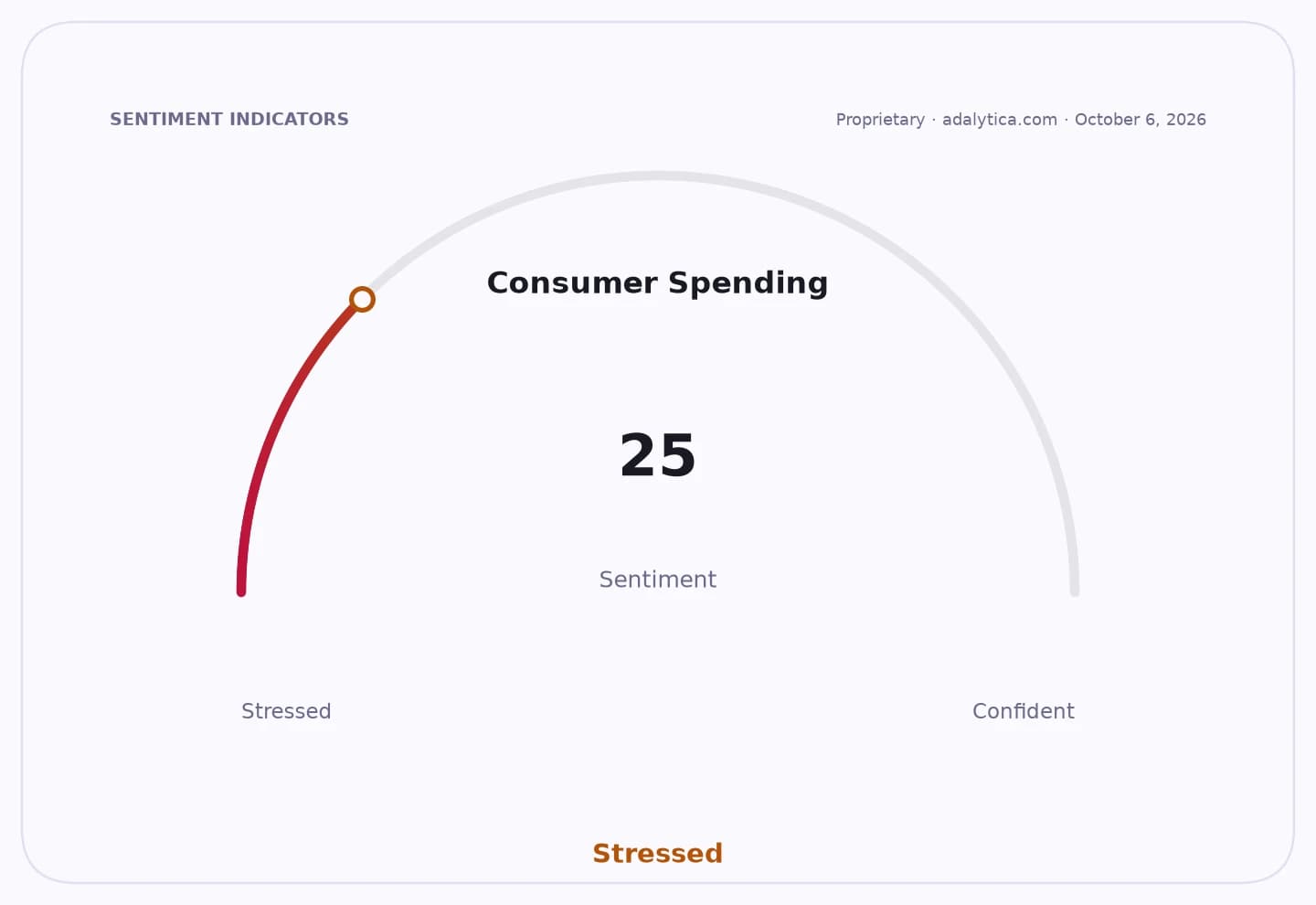
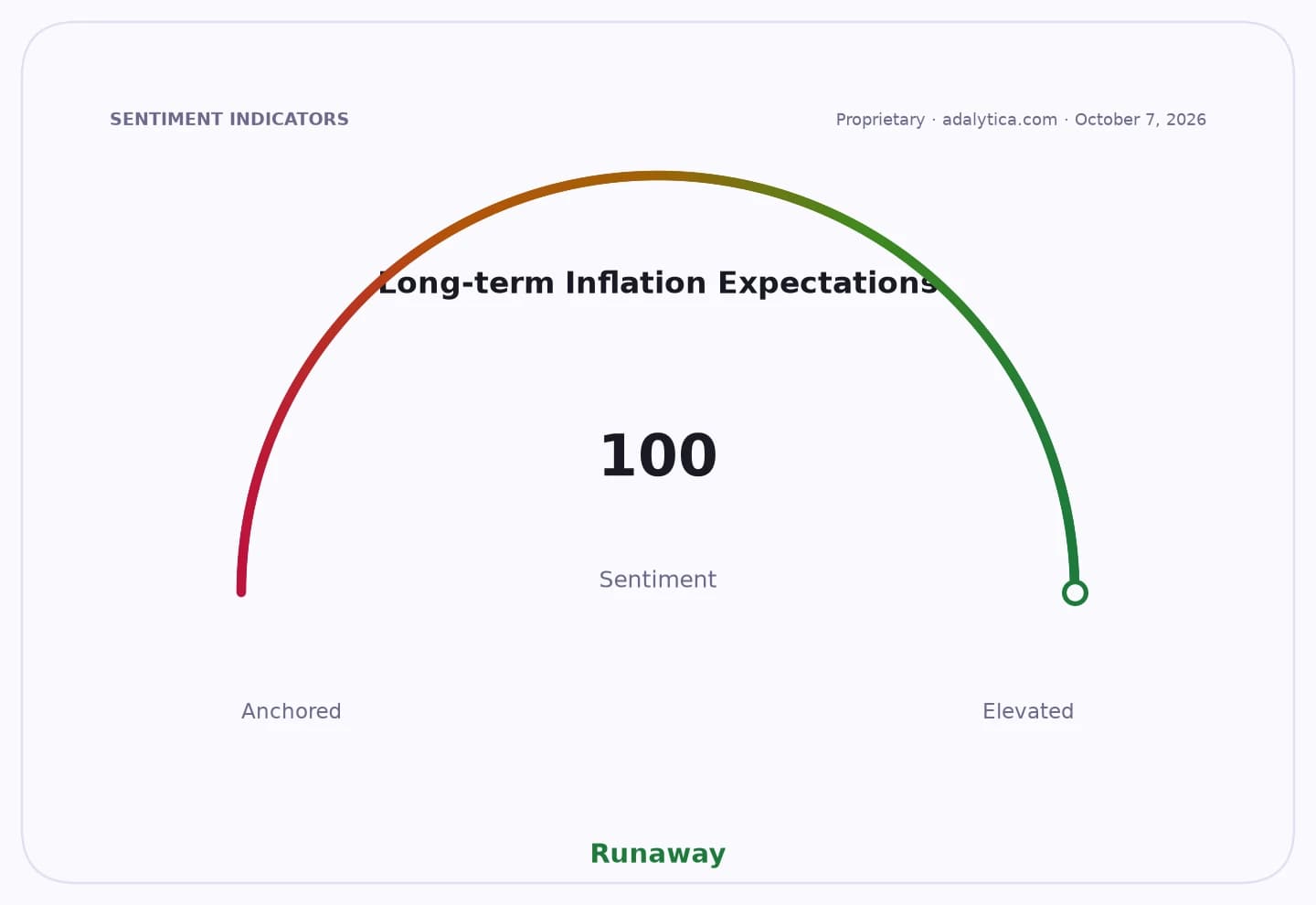
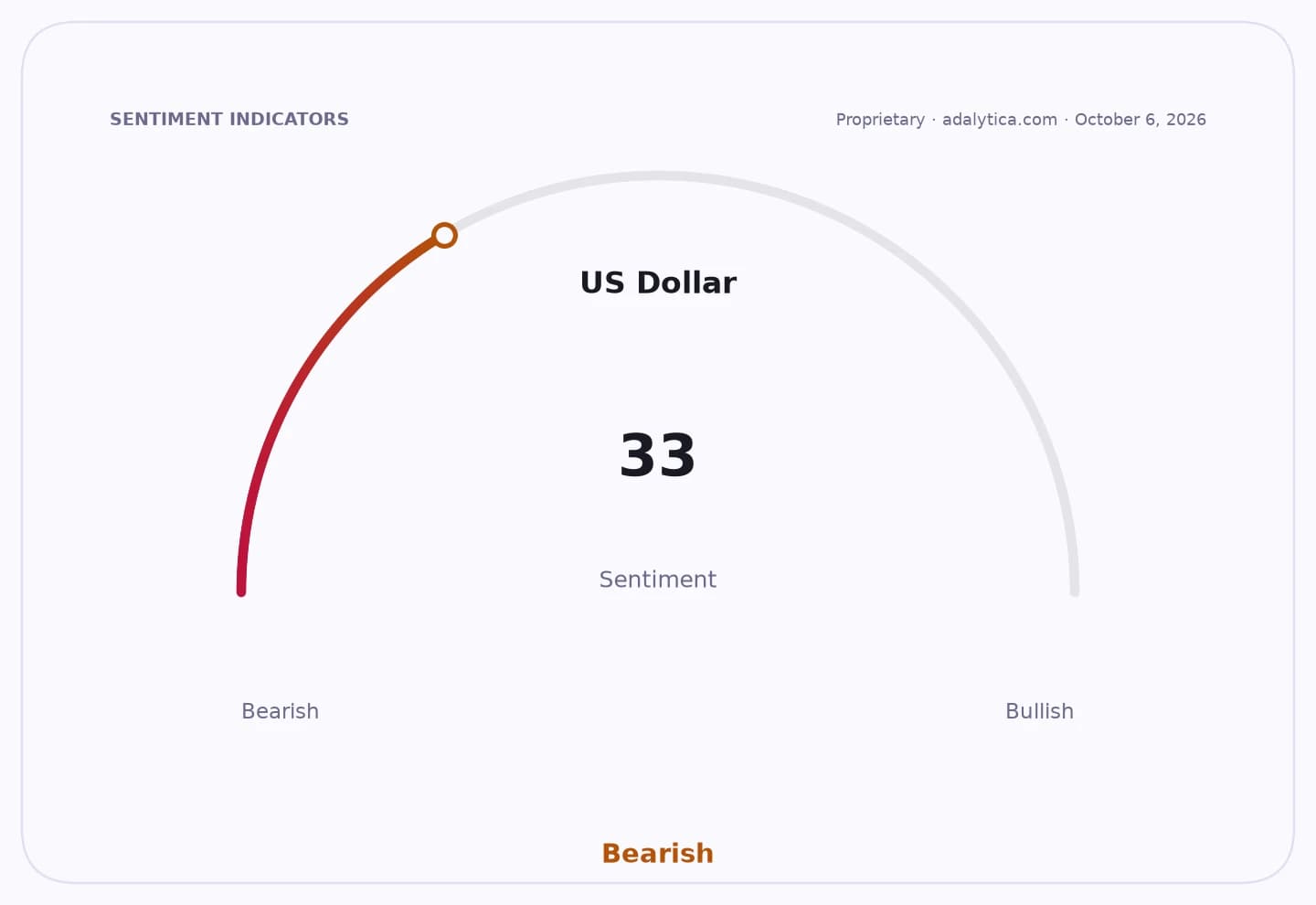
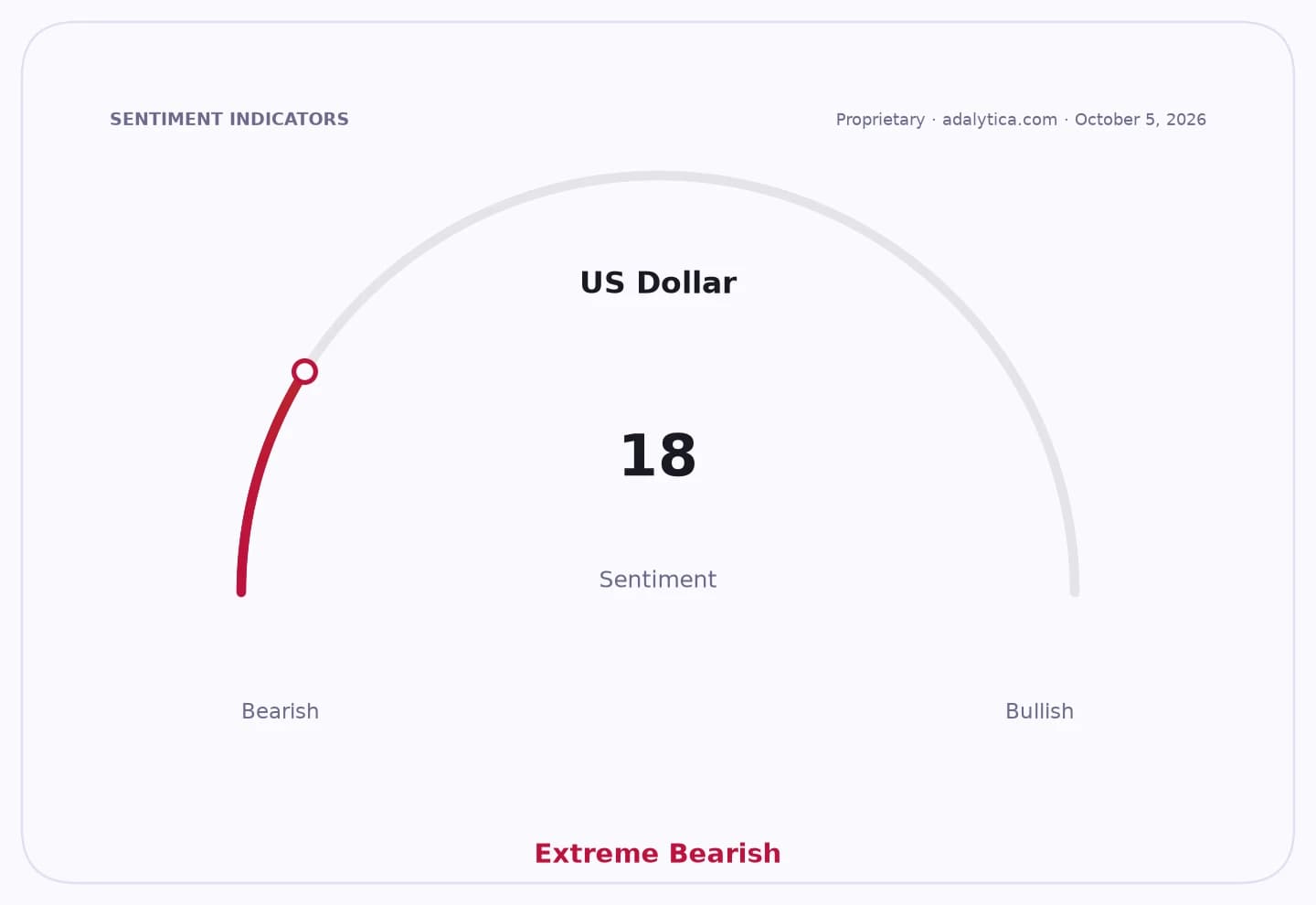
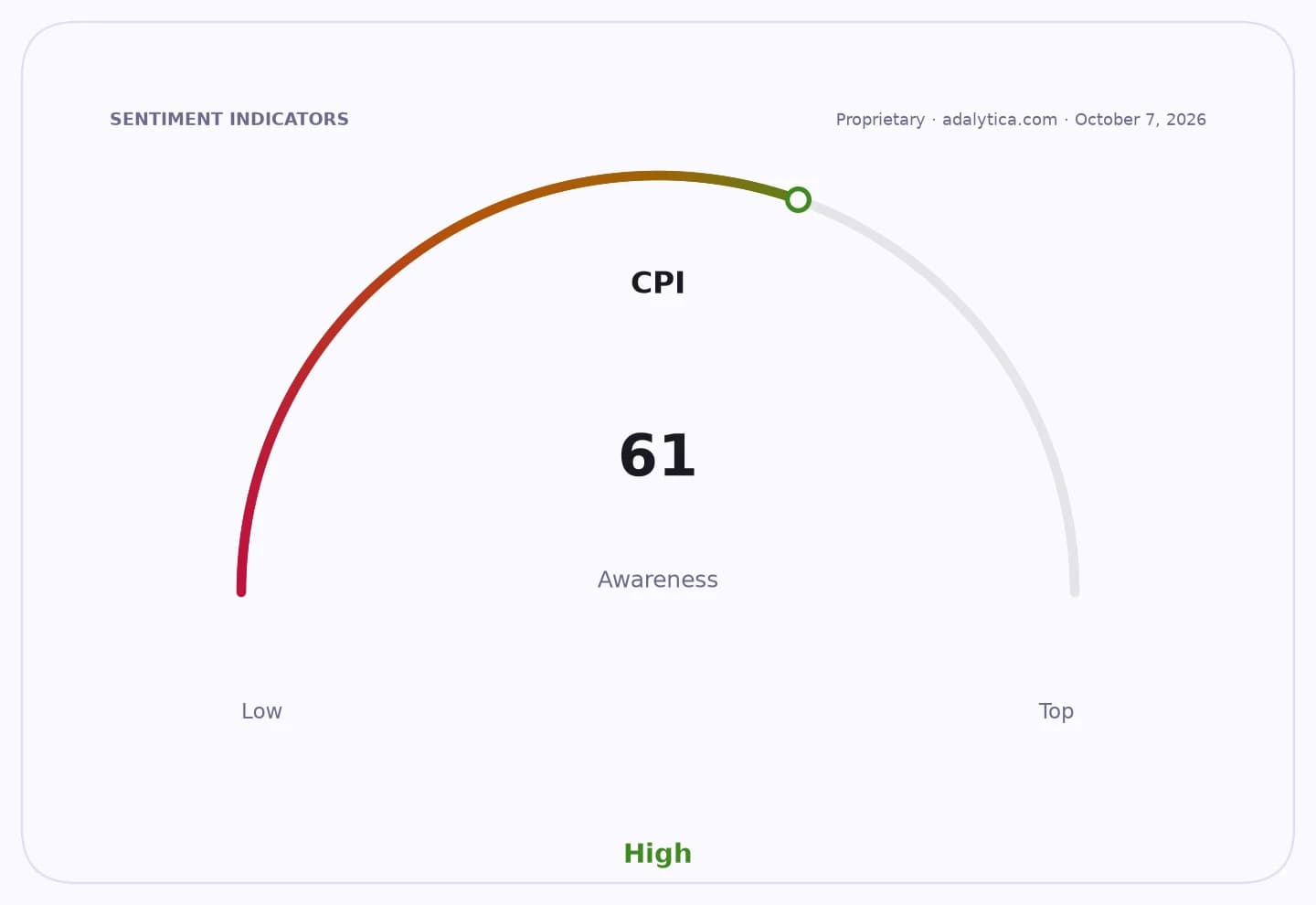
Sentiment IndicatorsⓘProprietary · adalytica.com · October 7, 2026
This is a snapshot — live sentiment, awareness and momentum for 130+ markets update continuously in the dashboard.Open AlphaPulse
The investment implication is clear: countries with fragile external balances and persistent currency stress remain the highest-risk exposures, while those with stronger policy credibility and deeper foreign-exchange reserves should command a premium. Mozambique’s decision to keep rates steady despite inflation pressure shows how little room policymakers have to support growth without risking a renewed price spiral. For investors, that means higher borrowing costs may linger longer than hoped, keeping pressure on local borrowers, consumer-facing names and sovereign debt markets.
The broader narrative is that sub-Saharan Africa is entering a phase where inflation is being driven as much by exchange rates as by domestic demand. That is a dangerous mix. Even where inflation has eased in the past, imported price shocks can reverse that progress quickly, forcing central banks to choose between defending their currencies and supporting growth. The World Bank’s warning suggests that trade-off is becoming harder, not easier.
For equity and fixed-income investors, the winners are likely to be exporters, hard-currency earners and companies with pricing power; the losers are importers, rate-sensitive domestic borrowers and governments already stretched by debt servicing costs. Unless currency stability improves, the region’s inflation problem will keep suppressing real incomes and delaying a broader recovery.
| Entity | Gains | Losses |
|---|---|---|
| Exporters / hard-currency earners | ▲Better local revenues | ▼None |
| Importers / consumers | ▲None | ▼Higher input and living costs |
| Central banks | ▲Policy caution credibility | ▼Less room to cut rates |
| Local-currency sovereign debt | ▲None | ▼Higher inflation risk premium |