Venezuela’s government has bought a milder inflation print with a heavy bill: economists say the effort to hold down consumer prices has required more than $13 billion in foreign-exchange sales, a pace they judge unsustainable even after September inflation eased to 8.4%.
Venezuela inflation eases as dollar sales rise
That trade-off goes to the core of the country’s fragile stabilization. The monthly slowdown from 8.9% in August offers some relief after years of hyperinflation, but it also underscores how dependent the economy has become on dollar sales from the state to keep the bolivar from sliding and to blunt pass-through into prices. In a country where annual inflation is still 466%, the issue is less whether prices are still rising too fast — they are — and more whether the authorities can keep paying to slow them.
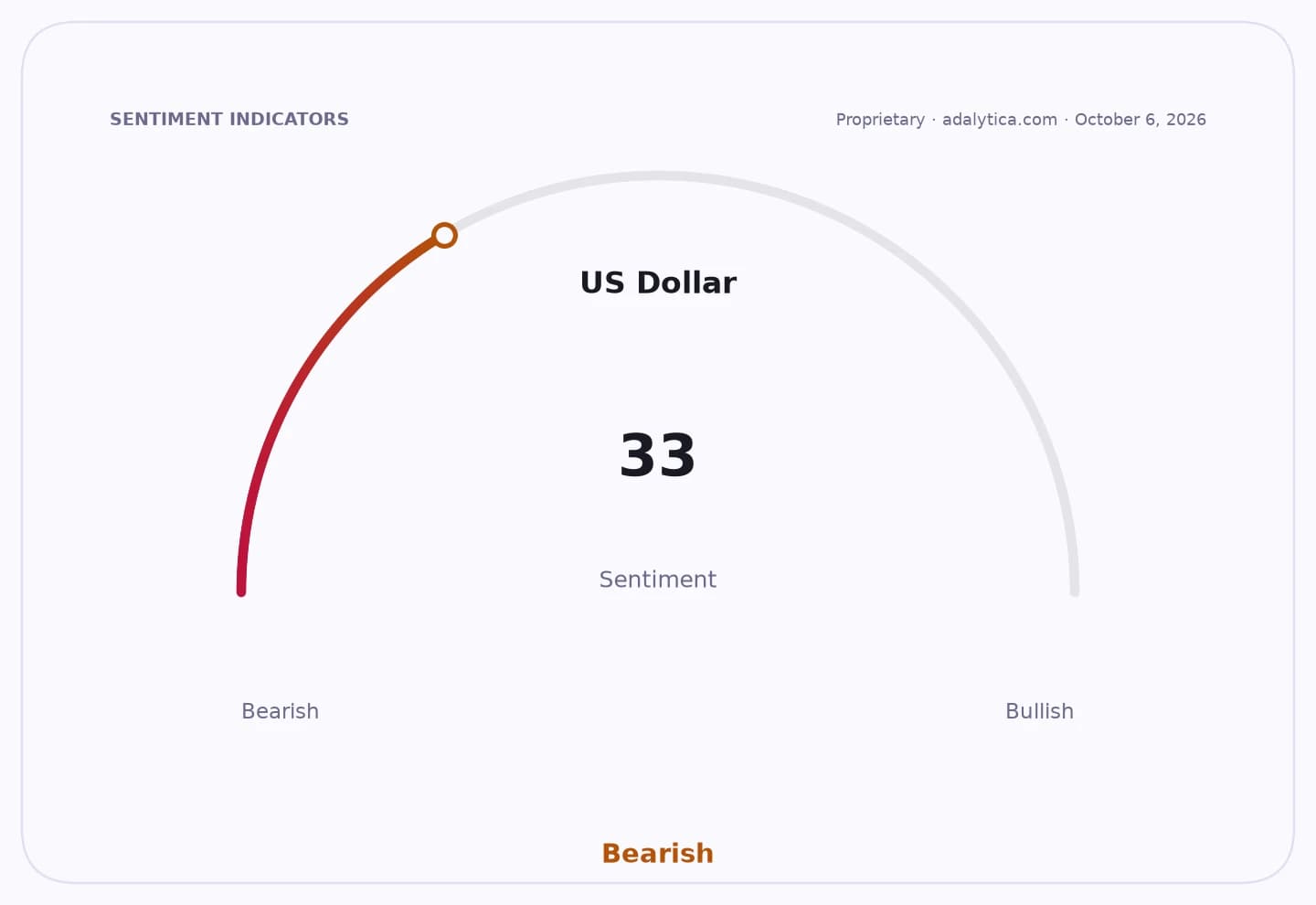
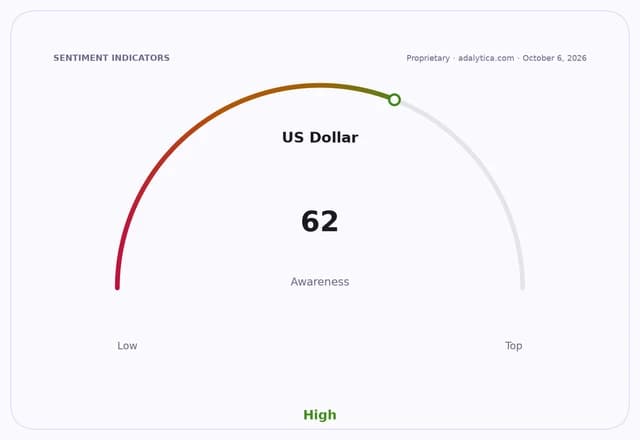
Sentiment IndicatorsⓘProprietary · adalytica.com · October 6, 2026
This is a snapshot — live sentiment, awareness and momentum for 130+ markets update continuously in the dashboard.Open AlphaPulse
The central bank reported the September reading on Saturday, a modest improvement that comes after inflation had already climbed to 225% this year. Hermes Pérez, a former central bank official, said the lower rate reflects a sharp increase in foreign-exchange sterilization this year, driven by higher oil receipts and crude prices that are about 50% higher than in 2025. He warned the policy has been financed by the sale of more than $13 billion, a scale he described as unsustainable in the medium term.
For investors, that matters because the apparent calm in inflation is built on a drain of hard currency rather than on a deeper repair of public finances, productivity or confidence. As long as the authorities must keep feeding the market with dollars to limit devaluation, any shock to oil exports, sanctions enforcement or state revenue could quickly force a weaker currency and a new inflation burst. The policy may also crowd out the reserves needed to support imports and external obligations, raising the risk of fresh shortages and payment stress.
The short-term bull case is that higher oil prices and larger export receipts can keep the exchange rate steadier for longer, which would continue to restrain monthly price gains and support a cautious recovery in domestic activity. Venezuela has now posted 22 straight quarters of economic growth, according to the context provided, and single-digit monthly inflation is far better than the hyperinflation years.
But the bear case is more compelling for medium-term planning. A stabilization strategy that depends on selling scarce dollars at an accelerating pace is not a durable nominal anchor. If oil income slips, if political tensions worsen, or if the authorities decide the cost is too high, the exchange-rate cushion can disappear quickly. That would hit consumers first, but it would also unsettle anyone exposed to Venezuelan risk — from local businesses stocking imports to creditors, traders and investors watching for any sign that the country’s balance-of-payments truce is breaking down.
| Entity | Gains | Losses |
|---|---|---|
| Venezuelan government | ▲Lower monthly inflation | ▼Hard-currency reserves |
| Consumers | ▲Short-term price relief | ▼Long-term purchasing power |
| Importers and retailers | ▲More stable pricing | ▼Dollar shortages risk |
| Bondholders and investors | ▲Near-term stabilization | ▼Policy sustainability risk |