Venezuela’s inflation is still running at hyperinflation levels, and even a slowdown in August does little to change the bigger picture: prices are set to close the year near 700%, keeping households squeezed and the bolivar under relentless pressure.
Venezuela inflation nears 700% by year-end
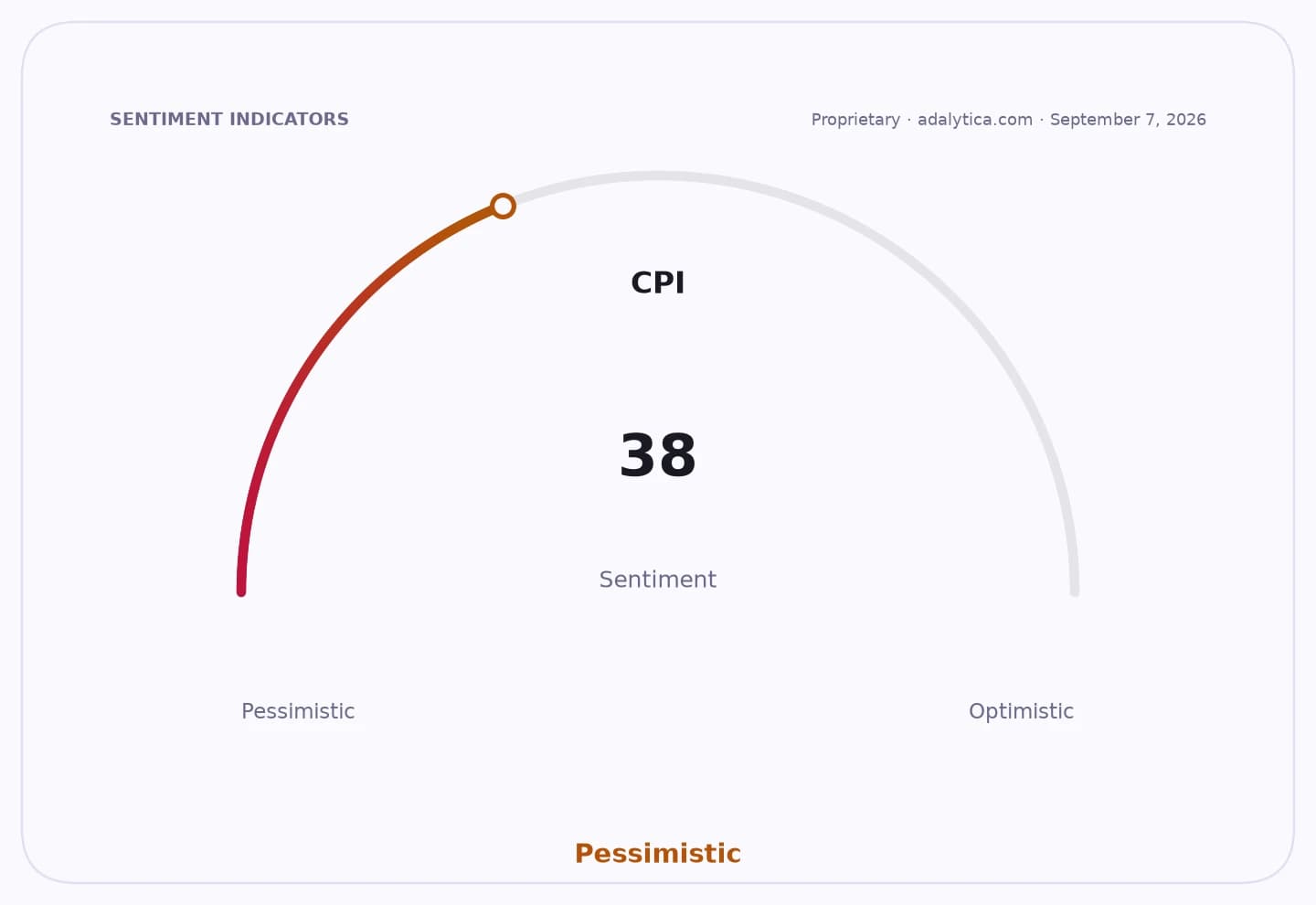
That matters because inflation on this scale is not just a cost-of-living problem. It is a sign that the currency is still losing value fast, wages are being overtaken by prices, and businesses are forced to reprice constantly just to keep operating. For investors, that combination usually means a weak local consumer market, distorted balance sheets and little room for a durable recovery without a meaningful policy shift.
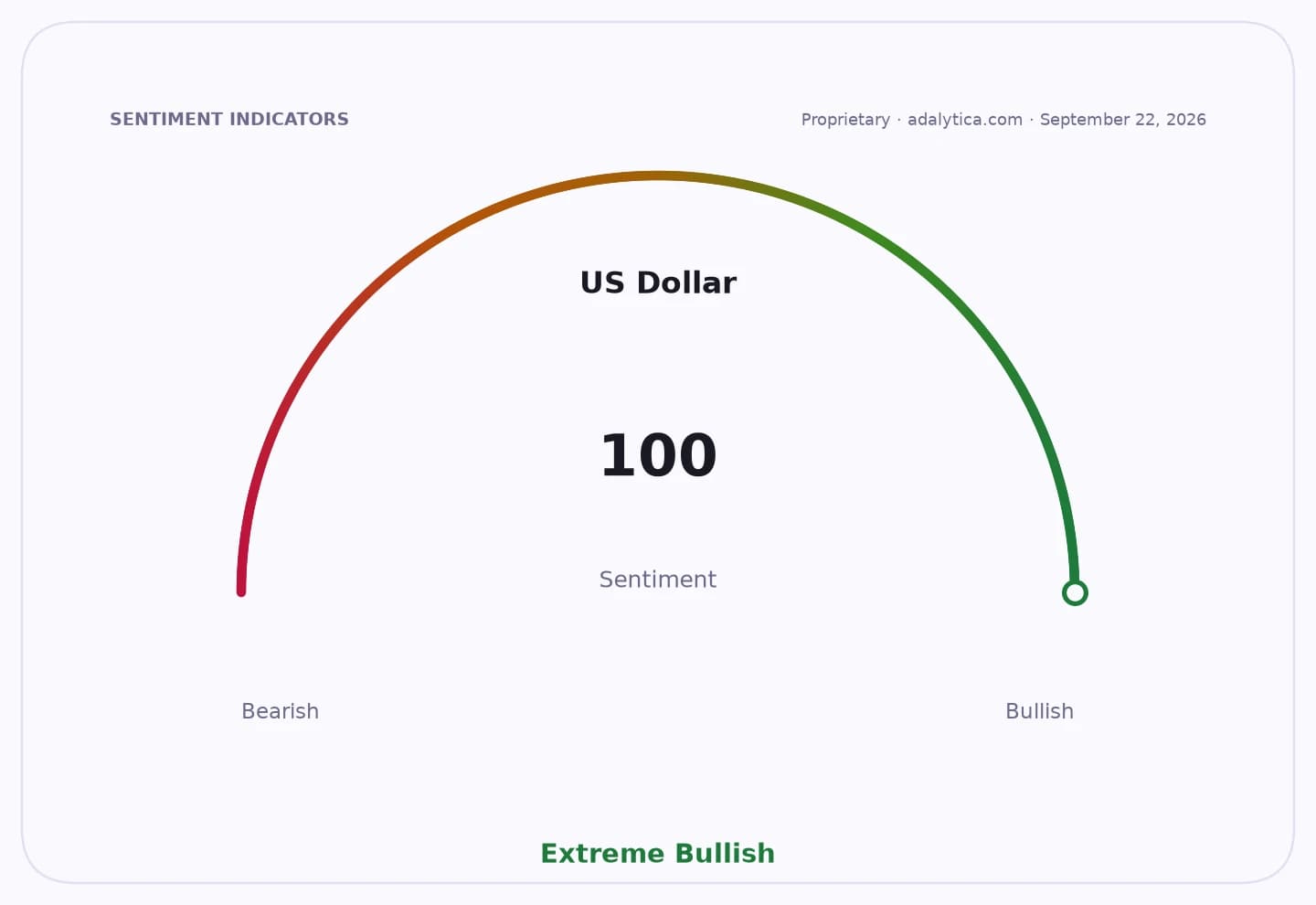
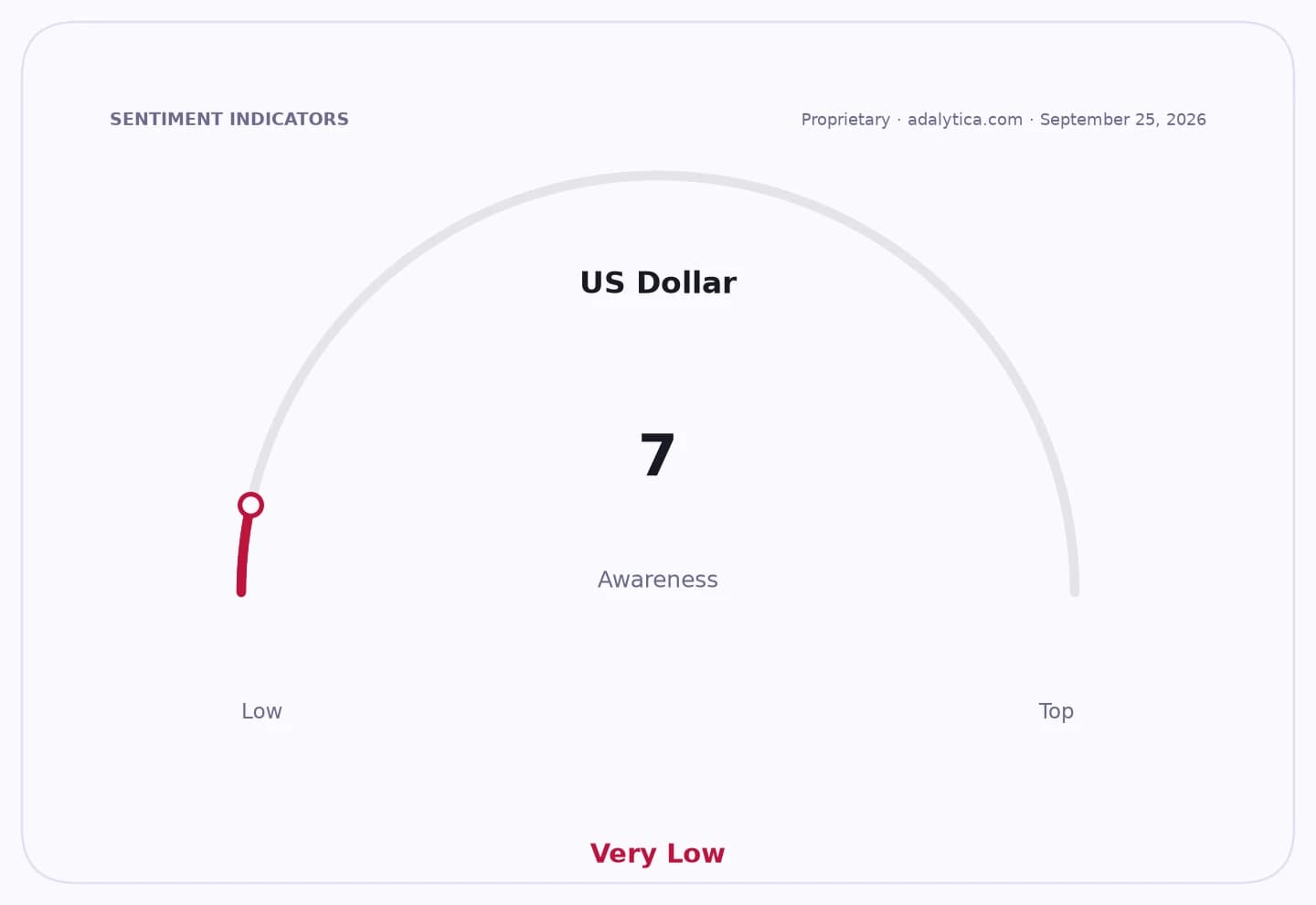
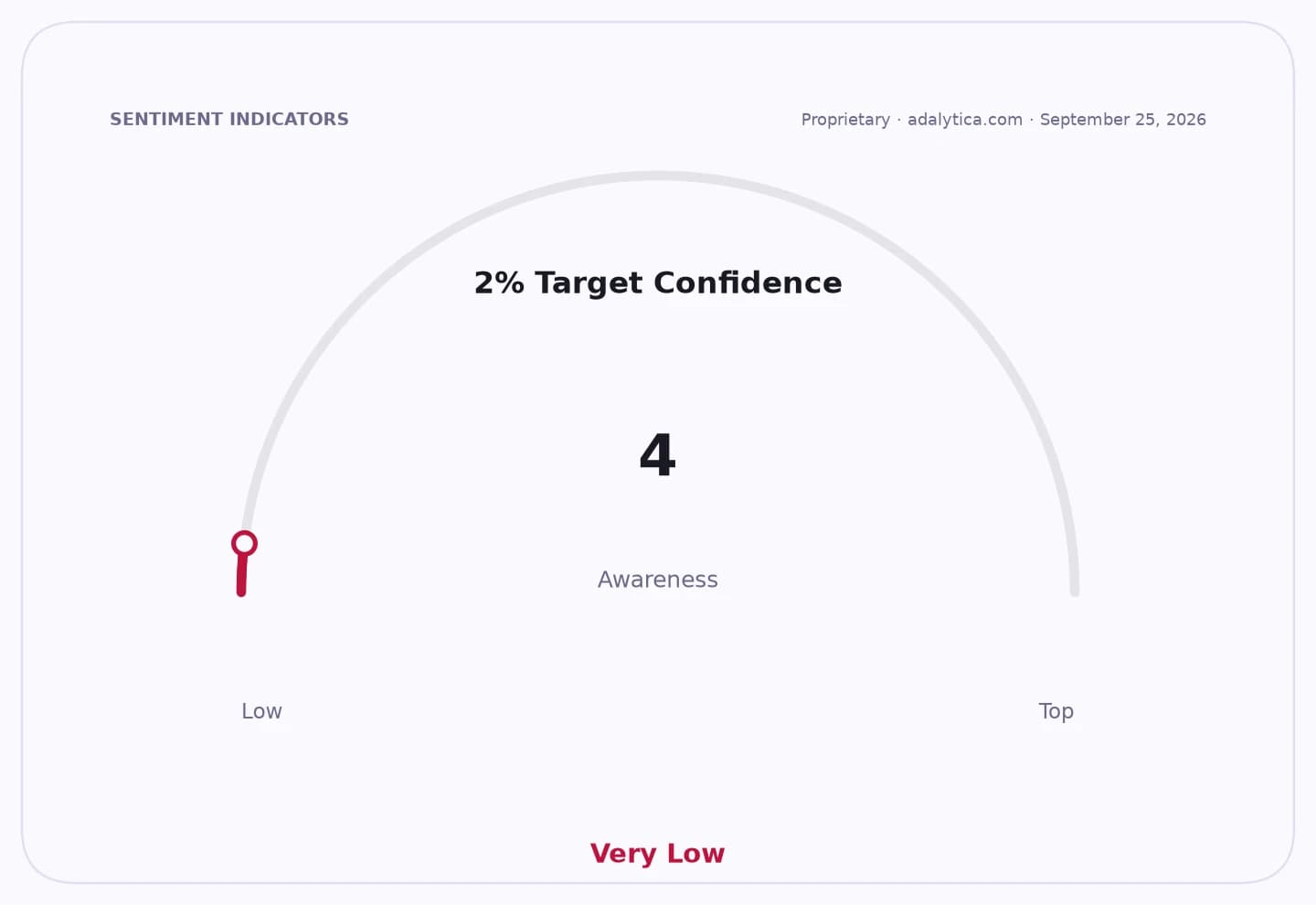
Sentiment IndicatorsⓘProprietary · adalytica.com · September 7, 2026
This is a snapshot — live sentiment, awareness and momentum for 130+ markets update continuously in the dashboard.Open AlphaPulse
Official data showed August inflation at 8.9%, down from July, while the cumulative rise in prices over the first eight months of 2026 reached 200.1% and the annualized rate stood at 534%. Economists in Caracas say the moderation was helped by heavier central bank intervention in the foreign-exchange market, which slowed liquidity growth and temporarily eased pressure on prices.
But the relief looks fragile. Hermes Pérez, a Venezuelan economist, said monetary liquidity rose 8% in August even after extensive dollar sales by the central bank, a reminder that bolivar creation remains far too strong for price stability. Cedice, a liberal think tank, projected year-end inflation of 695% to 705% if seasonal patterns hold.
For ordinary Venezuelans, those numbers translate into a further erosion of purchasing power. Cedice said a basic basket of 61 goods and services for a family of three in Caracas, Maracaibo and Valencia cost 744,176.63 bolivars in August, or about $940, up 6.99% from the previous month. That basket now requires almost four “integral” wages, underscoring how little the formal salary floor still means in a hyperinflationary economy.
The policy response has been equally revealing. Venezuela’s minimum wage has been frozen at 130 bolivars since March 2022, while the government has leaned on a separate monthly “integral income” bonus of $240. That split between official wages and cash transfers may help households survive from one month to the next, but it does not solve the deeper problem: the economy is still functioning without a stable monetary anchor.
For investors, Venezuela remains a cautionary example of what happens when fiscal strain, money creation and currency intervention collide. Even if oil revenues and foreign exchange sales provide temporary breathing room, the country will struggle to attract long-term capital until inflation is brought decisively under control. For now, this is still an economy to watch from a distance, not one to trust for stability.
| Entity | Gains | Losses |
|---|---|---|
| Central bank FX intervention | ▲Slows price surge temporarily | ▼Burns reserves and buy time only |
| Cash-holding households | ▲Some short-term relief from dollar sales | ▼Savings and wages keep losing value |
| Formal workers | ▲Government bonus support | ▼Frozen minimum wage erodes fast |
| Long-term investors | ▲Potential upside if reforms ever stick | ▼Hyperinflation, policy risk, weak purchasing power |