Mexico enters a pivotal policy week with Banxico expected to keep borrowing costs unchanged even as incoming data on inflation, activity and jobs shape the case for either staying patient or preparing to ease later this year.
Mexico Banxico Week Focuses on Rates and Inflation

The central bank’s announcement on Thursday is the main event because it arrives amid a mixed macro backdrop: growth indicators are set to show how much momentum the economy retained in July and August, while first-half September inflation will help determine whether price pressures are still easing fast enough to give Banxico room to move. For investors, the decision matters less for the immediate rate setting than for the message it sends on the path of real rates, the peso and the curve.
Sentiment IndicatorsⓘProprietary · adalytica.com · September 25, 2026
This is a snapshot — live sentiment, awareness and momentum for 130+ markets update continuously in the dashboard.Open AlphaPulse
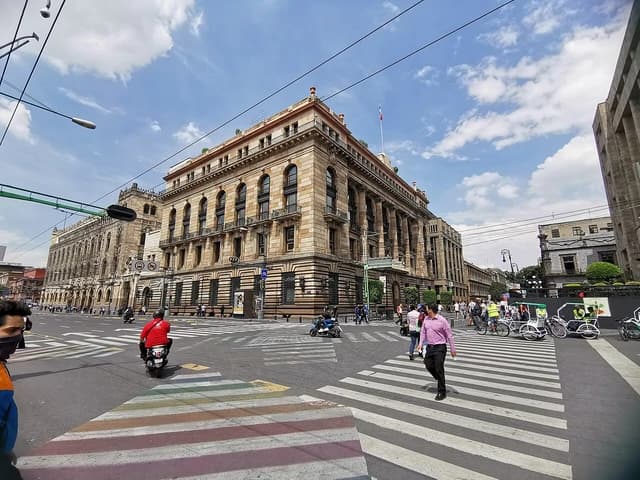
Markets are already leaning toward a pause. The consensus expectation in the local press is that Banxico will hold rates steady, following the Federal Reserve’s quarter-point increase last week. That external backdrop matters for Mexico because the policy gap with the U.S. remains a key driver of carry-trade demand and the peso’s relative appeal. Any sign Banxico is less inclined to match the Fed’s stance could unsettle rate expectations, while a more hawkish hold would support local fixed income and the currency.
The data calendar gives the central bank little room to be complacent. On Tuesday, the timely economic activity indicator, along with business surveys for commerce and services, should offer an early read on whether domestic demand is holding up. Wednesday’s trade balance will show how exports and imports are evolving as external demand cools or holds firm, while Thursday’s IGAE and construction survey will add breadth to the picture of monthly growth. Friday’s labor market release will round out the week with another test of underlying resilience.
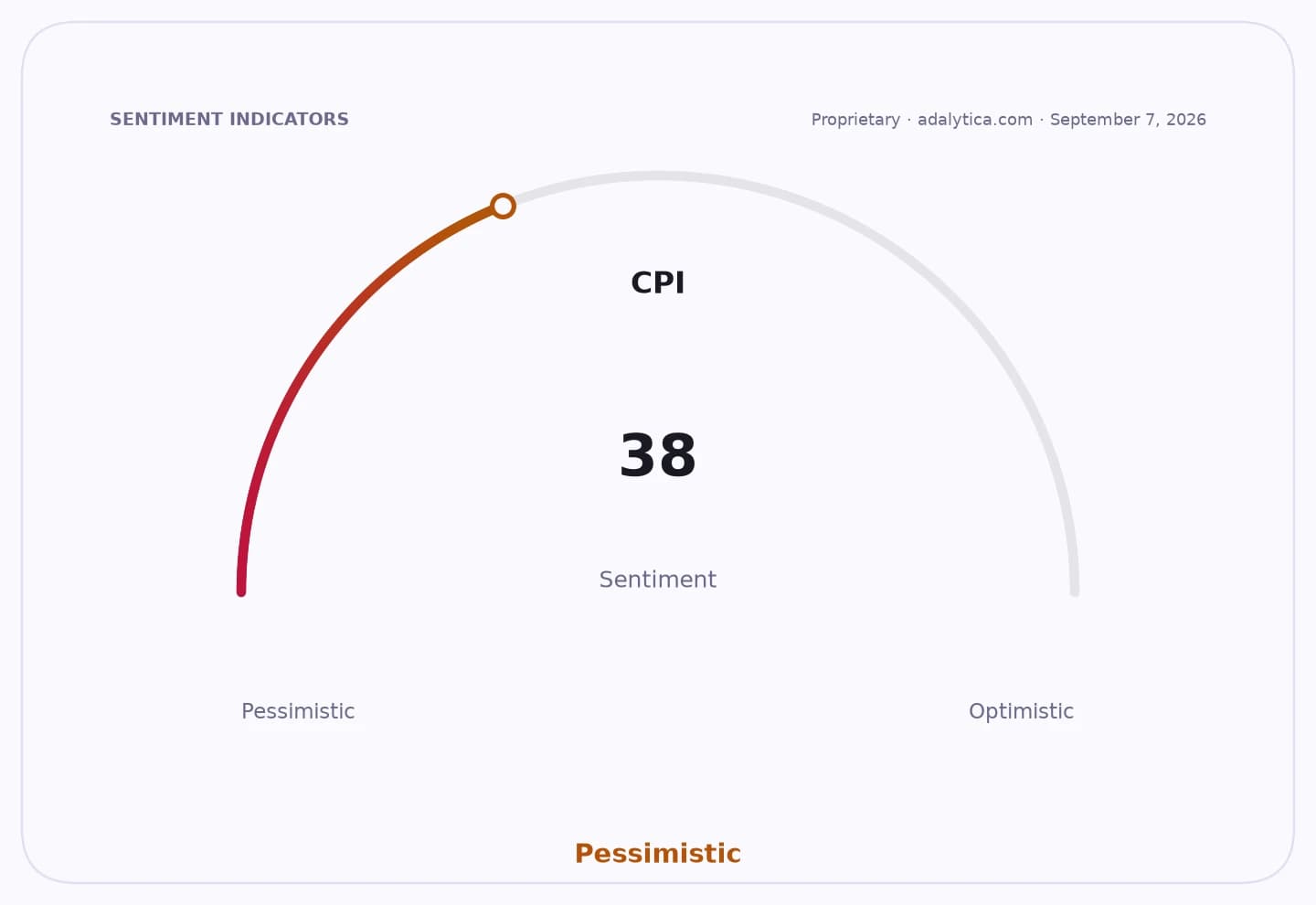
Inflation will likely be the most important number for policy traders. The first-half September CPI print will be watched closely for evidence that disinflation is broadening beyond the volatile components. If price gains remain sticky, Banxico will have justification to keep rates high for longer. If the print comes in softer, investors may pull forward expectations for the next easing cycle, especially if growth data show the economy losing steam.
That tension between still-elevated rates and slowing activity is what makes the week economically important. Mexico has benefited from strong capital inflows tied to higher yields and nearshoring optimism, but those gains depend on the central bank preserving credibility on inflation. At the same time, prolonged tight policy risks deepening the slowdown in consumer spending, services and construction, sectors that have carried much of the expansion.
For markets, the immediate read-through will be on Banxico’s tone, not just the vote. A cautious statement would likely support the peso and keep domestic bond yields anchored, while any hint that inflation progress is sufficient to consider cuts later could pressure the currency and steepen the front end of the curve. The week’s figures will also help test whether Mexico can continue to attract foreign capital on the basis of relatively high real rates if the growth backdrop deteriorates further.
In short, the story is not simply whether Banxico moves on Thursday. It is whether the bank uses a week of fresh activity, inflation and labor data to defend a prolonged tightening stance, or whether the evidence begins to point toward a softer policy path as growth loses momentum.
| Entity | Gains | Losses |
|---|---|---|
| Banxico hawks | ▲Inflation credibility | ▼Faster easing bets |
| Peso bulls | ▲High-rate support | ▼Dovish guidance |
| Mexican bondholders | ▲Stable carry | ▼Policy surprises |
| Consumers and builders | ▲Lower rates later | ▼Prolonged tight policy |