Honduras could trigger an automatic minimum-wage increase at the end of 2026 if year-on-year inflation in December runs above the level assumed in this year’s wage pact, a safeguard that matters because it would lift labor costs for employers while protecting real incomes for workers in an economy still exposed to price pressure.
Honduras wage hike tied to December 2026 inflation

The key issue is not that another wage hike is guaranteed, but that the 2026-27 agreement includes a built-in inflation clause that turns the December consumer-price reading into a policy trigger. Labor Minister Fernando Puerto said the review will be based on the Banco Central de Honduras’ interannual inflation figure for December 2026, with any adjustment activated automatically if the price index exceeds the agreed benchmark.
That makes inflation the central variable for both sides of the labor market. For workers, the clause is designed to prevent the 2026 raises from being eroded by higher-than-expected prices. For companies, especially smaller employers operating on thin margins, it creates the possibility of a second-round wage shock just months after a negotiated increase has already been set.
The government, business groups and labor organizations agreed in April on differentiated minimum-wage hikes for 2026 and 2027 ranging from 6% to 7%, depending on company size and sector. The current monthly minimum wage ranges from about 9,596.64 lempiras to 19,298.72 lempiras, underscoring how the burden of any additional adjustment would vary across the formal economy.
The safeguard reflects a broader trade-off common in emerging markets: wage agreements need to preserve purchasing power without forcing employers into abrupt cost inflation. In Honduras, where domestic demand is sensitive to household income and firms already face currency and price volatility, the final December inflation reading could determine whether the wage deal remains a negotiated settlement or becomes a moving target.
For investors and business owners, the stakes are most immediate in labor-intensive sectors such as retail, food service, agriculture and manufacturing, where wage costs are a meaningful share of operating expenses. If inflation comes in above the pact’s threshold, the extra adjustment would support consumption-led revenues for some companies but could squeeze margins, especially for firms with limited pricing power.
The currency backdrop also matters. The lempira has been trading around 26.75 to the dollar in recent sessions, near its 50-day and 200-day moving averages, suggesting relative stability in the exchange rate for now. A firmer currency could ease imported inflation, while renewed depreciation would increase the odds that the safeguard is activated.
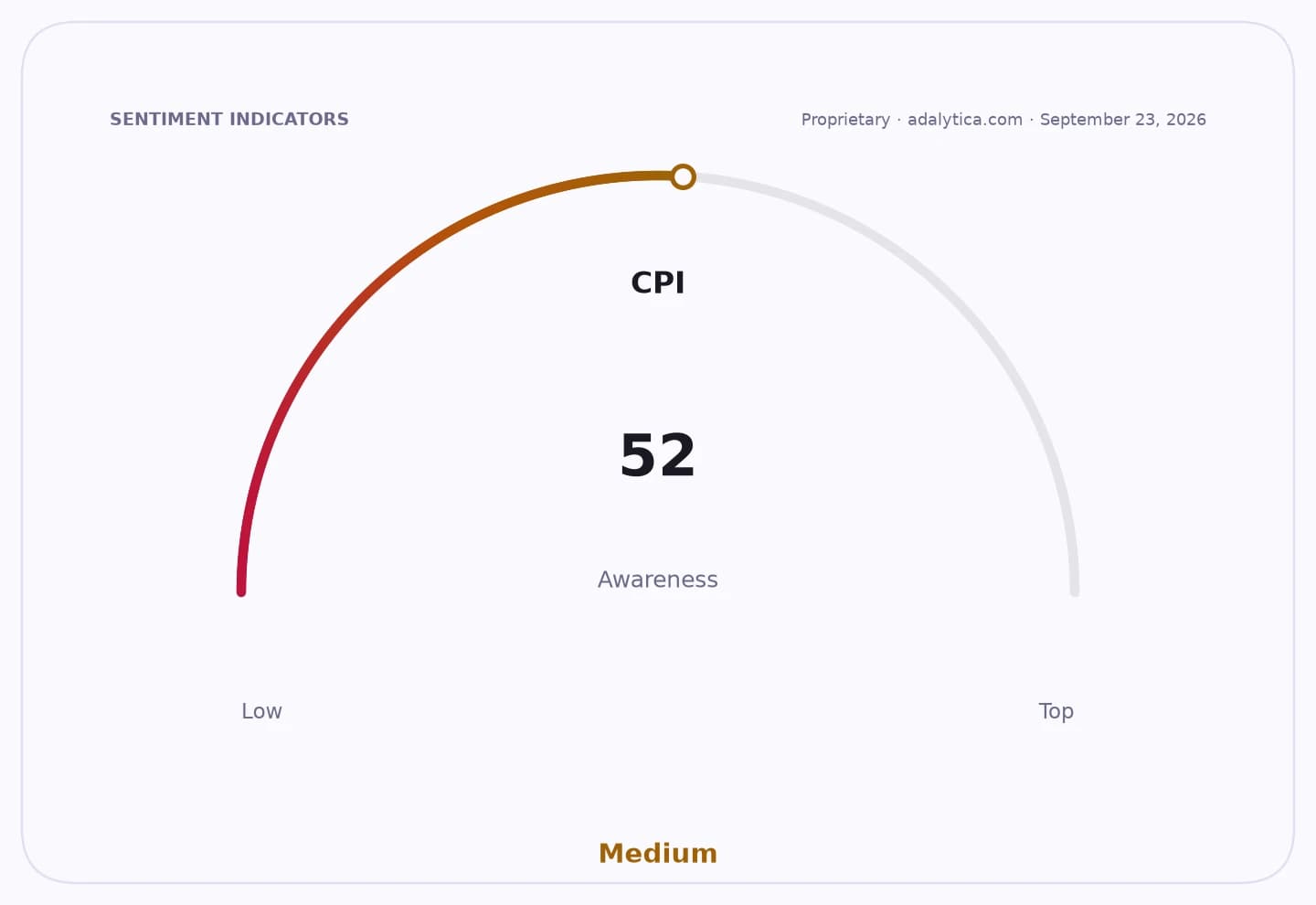
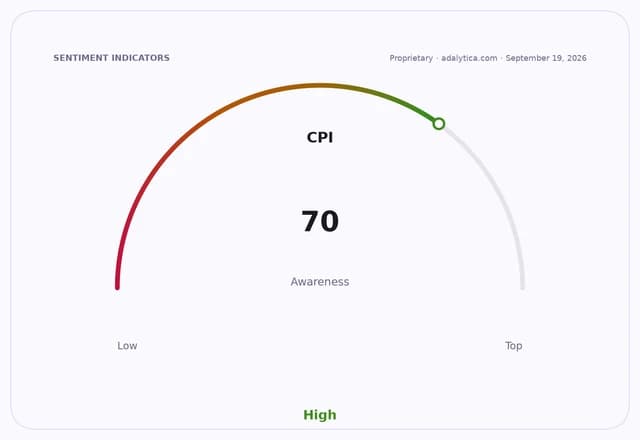
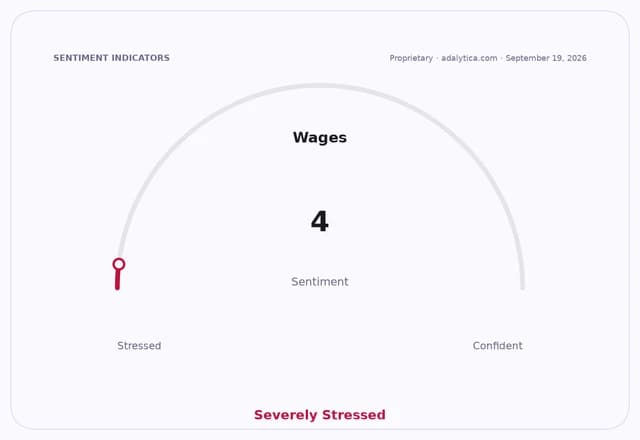
Adalytica’s wage-inflation sentiment gauge currently shows extreme fear, indicating markets and stakeholders are unusually sensitive to the risk of wage-driven cost pressure even as CPI sentiment has stayed neutral. That combination implies a cautious reading: inflation is not yet out of control, but it is still the variable most likely to upset the wage agreement before year-end.
The practical answer to the headline question is therefore conditional. The minimum wage in Honduras could increase again at the end of 2026, but only if December inflation closes above the level embedded in the 2026-27 accord. Until then, workers, employers and policymakers are waiting on a single data point that could reset the wage bill for the formal economy.
| Entity | Gains | Losses |
|---|---|---|
| Workers | ▲Real wage protection | ▼Inflation erosion |
| Employers | ▲Wage certainty if inflation stays contained | ▼Higher labor costs if clause triggers |
| Consumers | ▲Support for household spending | ▼Higher prices if firms pass on costs |
| Government | ▲Social stability from indexed pay | ▼Policy pressure if inflation rises |