Bolivia’s softer official exchange rate is not a sign of renewed dollar supply — it is the byproduct of a tighter banking system that is choking off credit and pushing lenders into currency trading.
Bolivia official exchange rate held down by tight liquidity
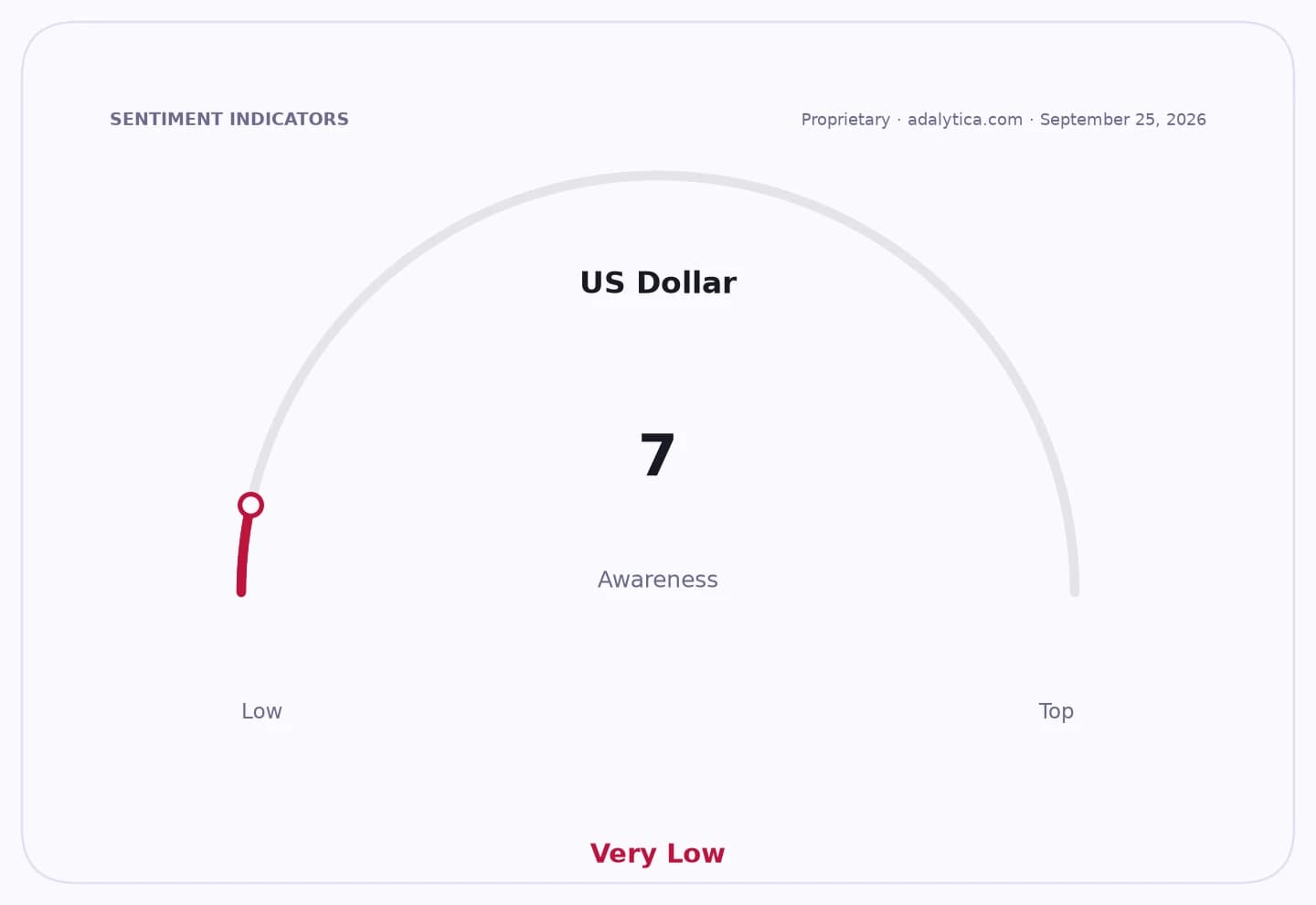
That matters because the move looks benign on the surface, but it is happening as loan growth in the financial system has collapsed to 2.8% through July 2026, a pace that points to weakening private-sector financing just when businesses need working capital most. The central bank’s activation of the restricted monetary reserve has drained excess bolivianos from the system, making local liquidity scarcer and reducing households’ and companies’ ability to bid for dollars. In other words, the apparent calm in the exchange rate is being bought with monetary compression.
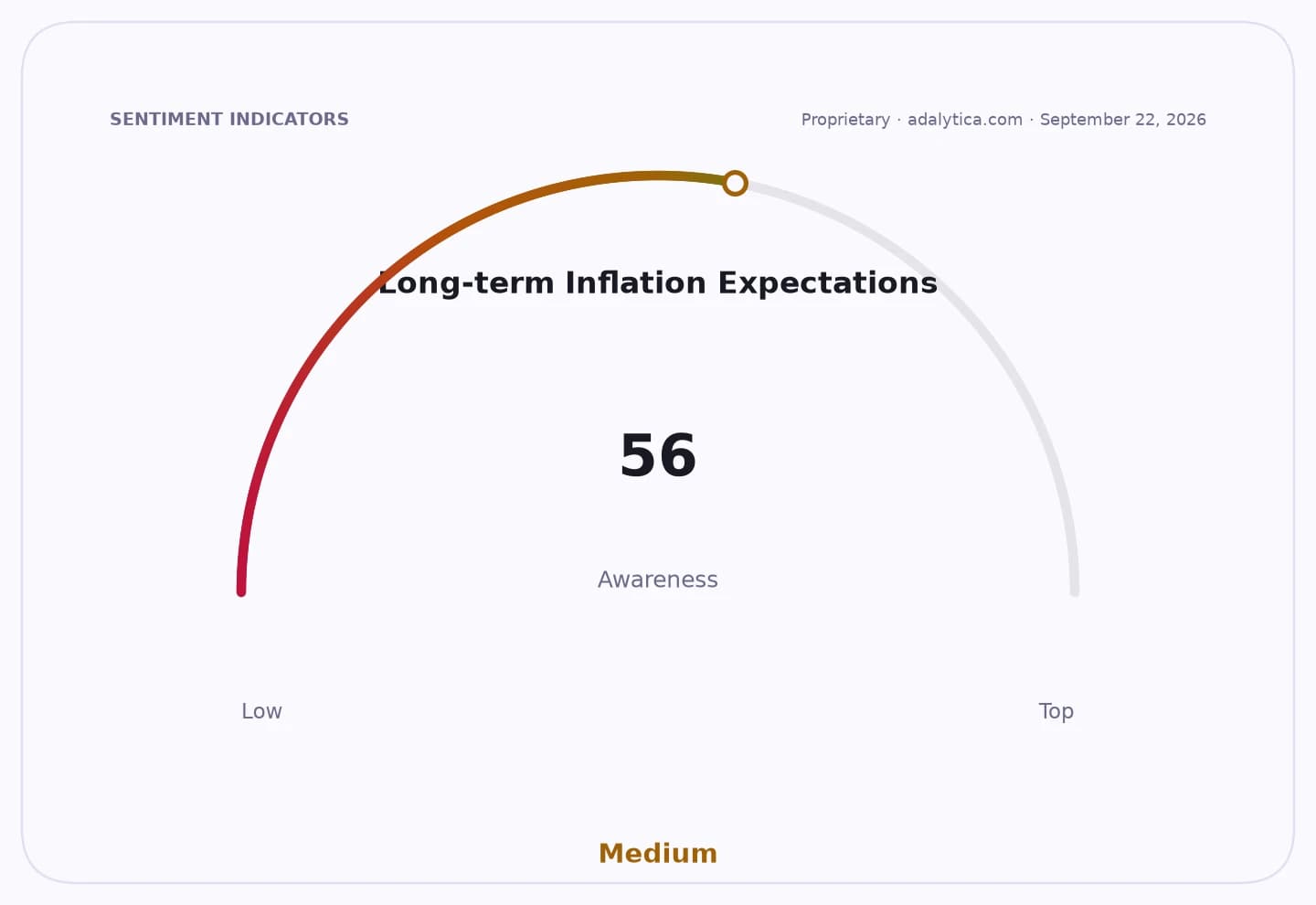
Sentiment IndicatorsⓘProprietary · adalytica.com · September 25, 2026
This is a snapshot — live sentiment, awareness and momentum for 130+ markets update continuously in the dashboard.Open AlphaPulse
The deeper risk is that banks are no longer earning primarily by funding production and consumption. With lending under pressure, financial institutions are leaning harder on foreign-exchange transactions and exchange-rate differences to sustain profits. That is a dangerous shift for an economy that depends on bank intermediation to keep commerce, payrolls and inventories moving. Record or elevated bank profits in this setup are not necessarily a sign of health; they can just as easily reflect scarcity and arbitrage.
The official rate is also structurally fragile. Bolivia’s central bank calculates the next day’s rate using a volume-weighted average of FX trades by financial institutions, which means a single bank with outsized turnover can influence the reference price for the whole system. That leaves the currency benchmark vulnerable to treasury flows and one-off transactions rather than broad-based market equilibrium. For investors, that is the opposite of stability: it is a price mechanism that can be nudged by the same institutions that are forced to trade because credit is drying up.
The macro message is straightforward. A government can flatten volatility by squeezing liquidity, but it cannot do that without slowing the real economy. The latest move in Bolivia’s dollar is therefore not a cure for weakness; it is a symptom of it. If credit continues to stall, the economy may trade short-term exchange-rate calm for a longer and more costly downturn in production, investment and bank lending.
For investors, the key takeaway is that whenever an exchange rate looks “stable” in a liquidity-starved system, the real question is not whether the currency is strong — it is who is being forced to absorb the adjustment. In Bolivia, the answer appears to be borrowers, businesses and the broader economy.
| Entity | Gains | Losses |
|---|---|---|
| Bolivian central bank | ▲Near-term FX calm | ▼Policy credibility if credit keeps shrinking |
| Banks / EIFs | ▲FX trading profits | ▼Traditional loan growth |
| Businesses and borrowers | ▲Little | ▼Working capital, investment, growth |
| Economy / real sector | ▲Lower headline dollar volatility | ▼Output, liquidity, expansion |