Bolivia’s push to lift fuel subsidies could end up adding to inflation and currency pressure rather than delivering the budget relief the government wants, according to analysts who say the fiscal math only works if the adjustment avoids sparking a broader price shock.
Bolivia fuel subsidy cuts may raise inflation
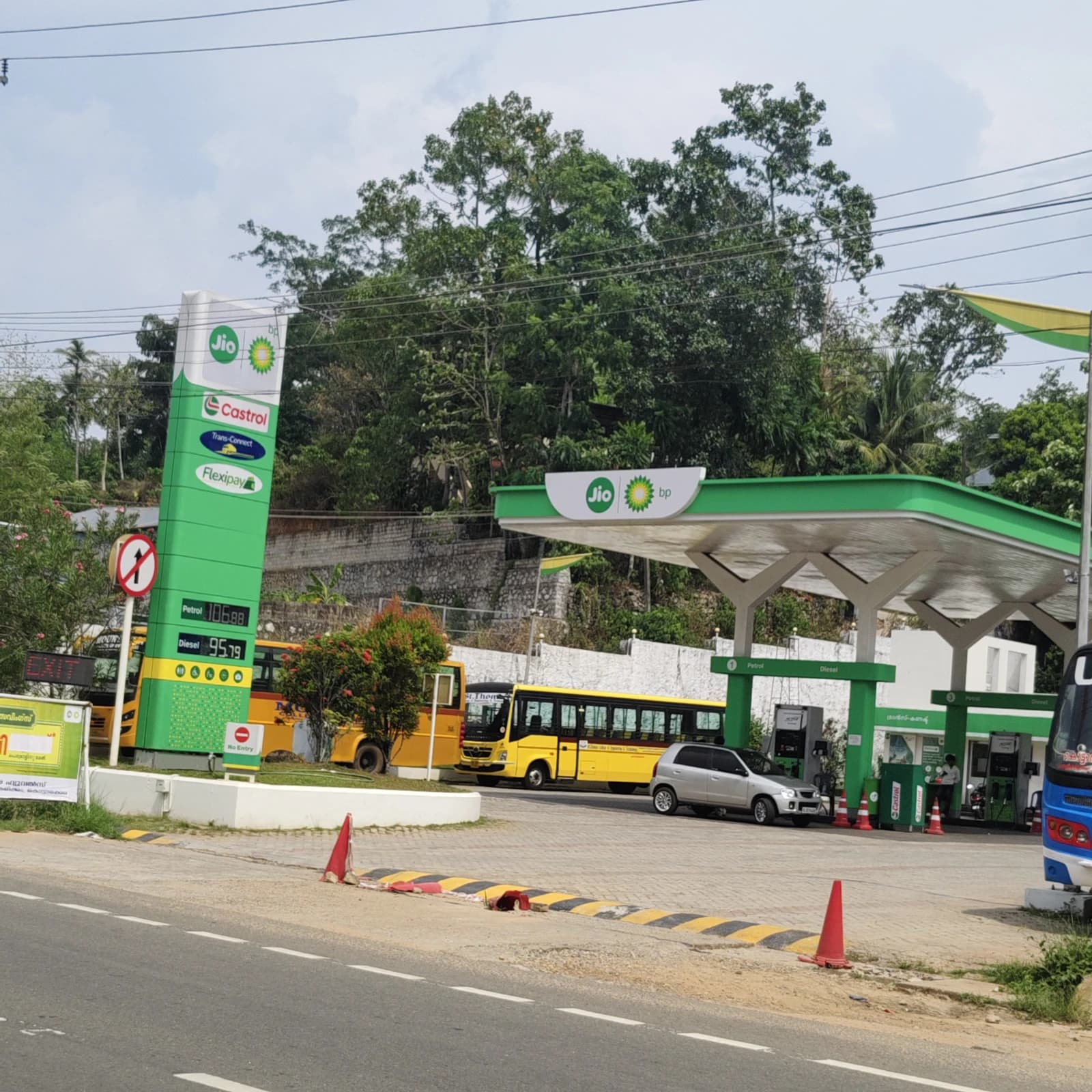
That matters because fuel is a transmission mechanism, not just a line item. In an economy already short of gasoline and diesel, removing subsidies can raise transport costs, lift import bills through a weaker exchange rate and force the government to spend more on compensation. The result, analysts argue, is that the headline savings can evaporate before they ever reach the treasury.
Sentiment IndicatorsⓘProprietary · adalytica.com · September 21, 2026
This is a snapshot — live sentiment, awareness and momentum for 130+ markets update continuously in the dashboard.Open AlphaPulse

Gonzalo Colque said the government should not judge the move by the gross amount it recovers from the subsidy alone. If fuel prices jump too sharply, he warned, the benefit can be “diluted” by social compensation, a higher exchange rate and inflation. In his view, a move that looks like a fiscal gain on paper can become a net loss once the knock-on costs are included.
That is the core market lesson here: subsidy removal is only disinflationary if it is paired with credibility, supply stability and targeted protection for the most exposed households. Without that, the policy can widen the very problem it is meant to solve by pushing up transport tariffs, imported fuel costs and public dissatisfaction at the same time.
The risk is especially acute in Bolivia because the country is still dealing with shortages. Colque said the state is importing less diesel and gasoline than the market needs, which means higher pump prices alone may not solve the supply crunch. He also argued that contraband accounts for only about 10% of the fuel shortage, questioning whether the savings from closing that leak justify a much larger price increase.
Ramiro Cavero took the argument one step further, saying subsidies should be preserved for public transport and paired with tighter controls, including GPS-based monitoring of routes and fuel consumption. His point is that a blunt price increase would be regressive unless the government can direct relief to low-income users and stop leaks in the system.
What makes this more than a Bolivia-specific debate is the broader playbook for emerging markets under fiscal stress. Governments often reach for fuel subsidy cuts as an easy fix, but the payoff depends on whether inflation expectations stay anchored. If they do not, the policy can force central banks to stay tighter for longer, hurt consumer spending and offset any fiscal gain.
Investors should read this as a warning on the second-order effects of reform. The immediate winners are fiscal hawks, fuel importers and any business linked to subsidy reform. The losers are transport operators, consumers and politically sensitive sectors that absorb fuel cost pass-through first. In local markets, the biggest signal will be whether the government moves quickly enough to pair price changes with compensation and private-sector fuel imports.
The most investable takeaway is simple: subsidy reform is not automatically a savings story; it is an inflation-management story. If Bolivia accelerates the rollout without credible offsets, the macro cost could outweigh the fiscal gain. If it gets the sequencing right, the government may finally reduce a distortion that has been draining dollars and creating shortages. The market will reward whichever path proves it can preserve stability.
| Entity | Gains | Losses |
|---|---|---|
| Bolivia government | ▲Lower fiscal leakage | ▼Higher inflation risk |
| Public transport operators | ▲Targeted subsidy support | ▼Higher fuel costs |
| Consumers | ▲Better fuel availability if reforms work | ▼Higher prices and tariffs |
| Fiscal hawks / IMF | ▲Reform credibility | ▼Short-term social backlash |