Mongolia’s economy may be expanding fast, but families are still getting squeezed by inflation, falling real incomes and political paralysis, leaving the country’s 7.7% growth figure looking more like a headline than a pay raise.
Mongolia Growth Rises as Inflation Hits Households

That is the real investor story here: strong top-line growth is not the same as broad-based prosperity. When household income is falling 4.4%, inflation is running at 13% and food inflation is near 25%, the macro picture stops being a simple growth narrative and starts looking like a demand problem. Consumers have less room to spend, savings are under pressure and the political case for policy discipline gets much stronger.
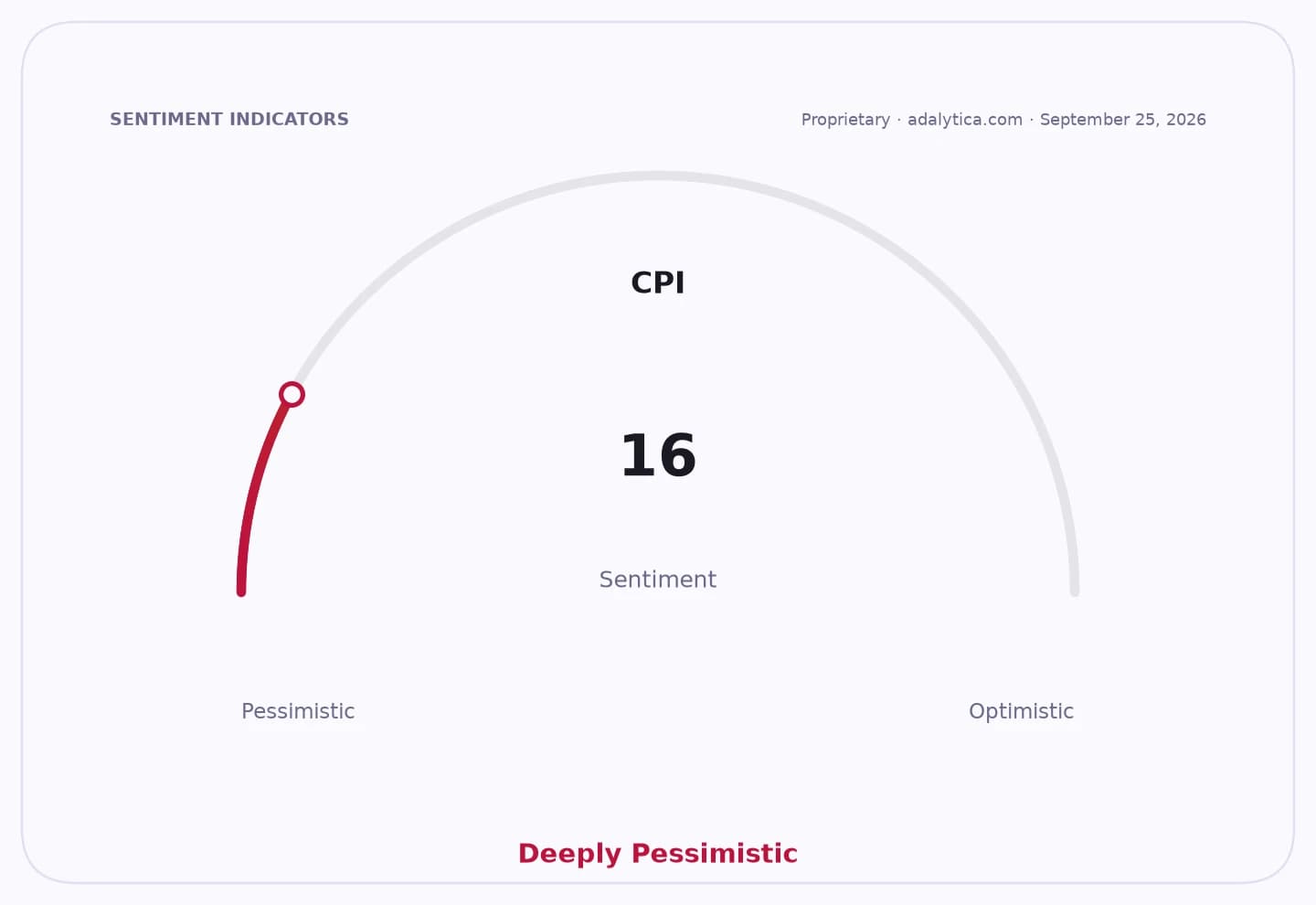
Sentiment IndicatorsⓘProprietary · adalytica.com · September 24, 2026
This is a snapshot — live sentiment, awareness and momentum for 130+ markets update continuously in the dashboard.Open AlphaPulse
The tension is especially sharp because Mongolia’s growth is being driven by coal and other commodity exports, not by a broad pickup in domestic living standards. The finance minister said coal exports had reached 80 million tons by August and could hit about 100 million tons by year-end, above the 90 million tons assumed in the 2026 budget. Coal prices are still around $68 a ton, just below the budget assumption of $70, but higher volumes could help offset a budget gap of 2.2 trillion tögrögs reported at the end of the second quarter.
For investors, that mix matters. More export volume helps government revenue, and stronger commodity receipts can support the currency and fiscal accounts. But if households are losing purchasing power, the domestic economy stays fragile. That often means better prospects for exporters and miners than for retailers, consumer-facing businesses and any company dependent on rising local wages. In other words, GDP can grow while the economy still feels weak on the ground.
The political backdrop makes the economic message even clearer. The government has called an extraordinary session to push through a 2026 budget revision aimed at protecting incomes, easing power shortages and lifting salaries and pensions. But the report suggests the ruling party’s infighting has already consumed much of the political capital that should be going into policy execution. If that continues, the risk is not just slower reform — it is a deeper disconnect between official growth figures and the everyday cash flow of ordinary households.
For long-term investors, the takeaway is straightforward: Mongolia’s resource story remains intact, but the near-term consumer story is much less convincing. Keep an eye on coal export volumes, fiscal discipline and whether the government can turn commodity gains into real household relief. Until that happens, the 7.7% growth rate is worth respecting — but not mistaking for broad prosperity.
| Entity | Gains | Losses |
|---|---|---|
| Coal exporters | ▲Higher volumes | ▼Lower domestic pressure |
| Government finances | ▲More tax revenue | ▼Budget gap relief delays |
| Households | ▲Little immediate benefit | ▼Real income erosion |
| Consumer-focused businesses | ▲Potential policy support | ▼Weak spending demand |