Colombia’s central bank has tightened policy again, lifting its benchmark rate to 12.25% after inflation pressures resurfaced and forced policymakers to put price stability ahead of a still-fragile recovery.
Colombia Central Bank Raises Rate to 12.25%
That matters because BanRep is signaling that the disinflation story is not secure. With headline inflation up to 6.2% in August and core inflation rising to 6.1%, the central bank is acknowledging that the economy is running hotter on prices than the market had hoped. In practical terms, that raises the odds of borrowing costs staying elevated for longer, keeping pressure on household credit, business investment and interest-rate-sensitive sectors.
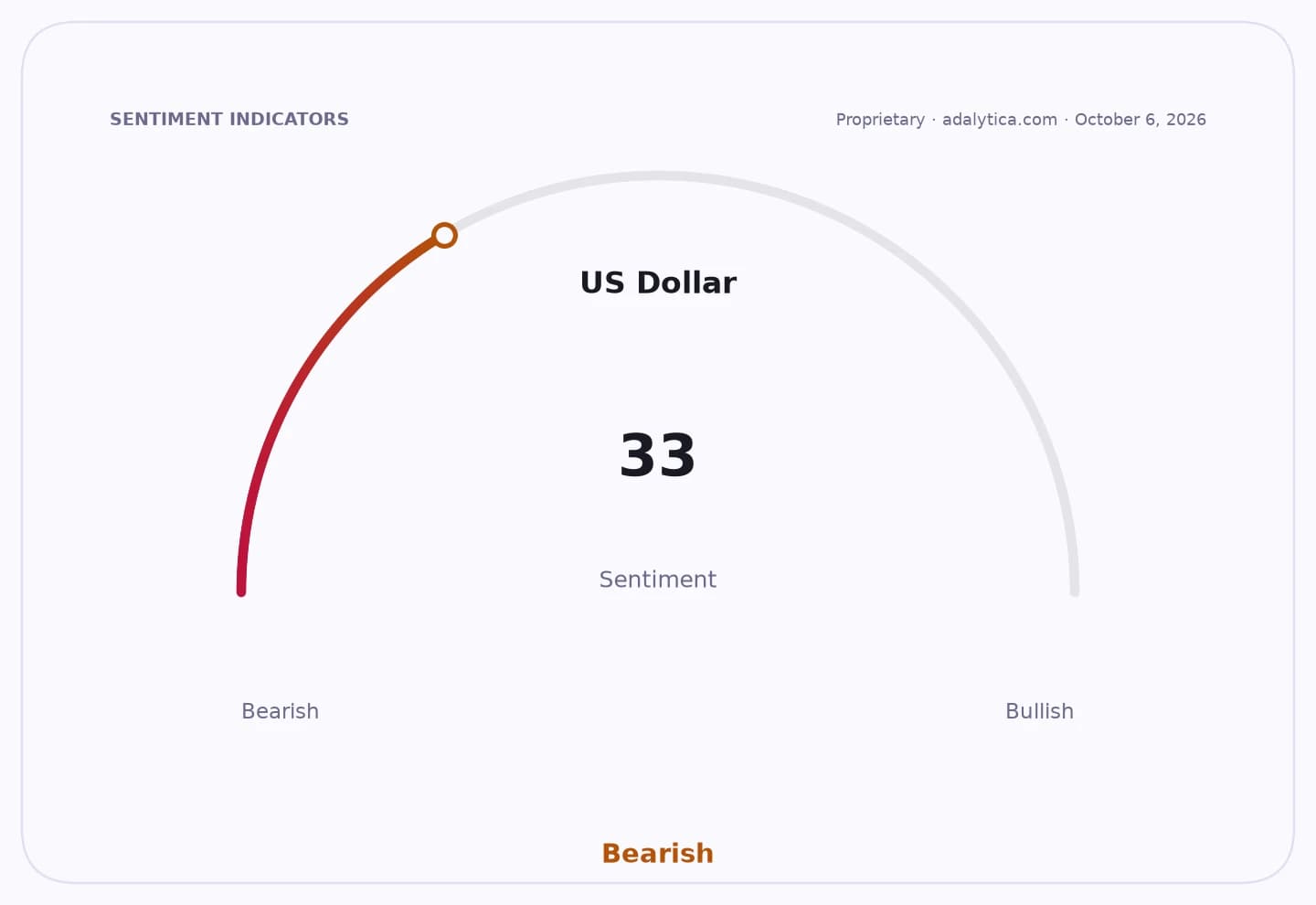
Sentiment IndicatorsⓘProprietary · adalytica.com · October 6, 2026
This is a snapshot — live sentiment, awareness and momentum for 130+ markets update continuously in the dashboard.Open AlphaPulse
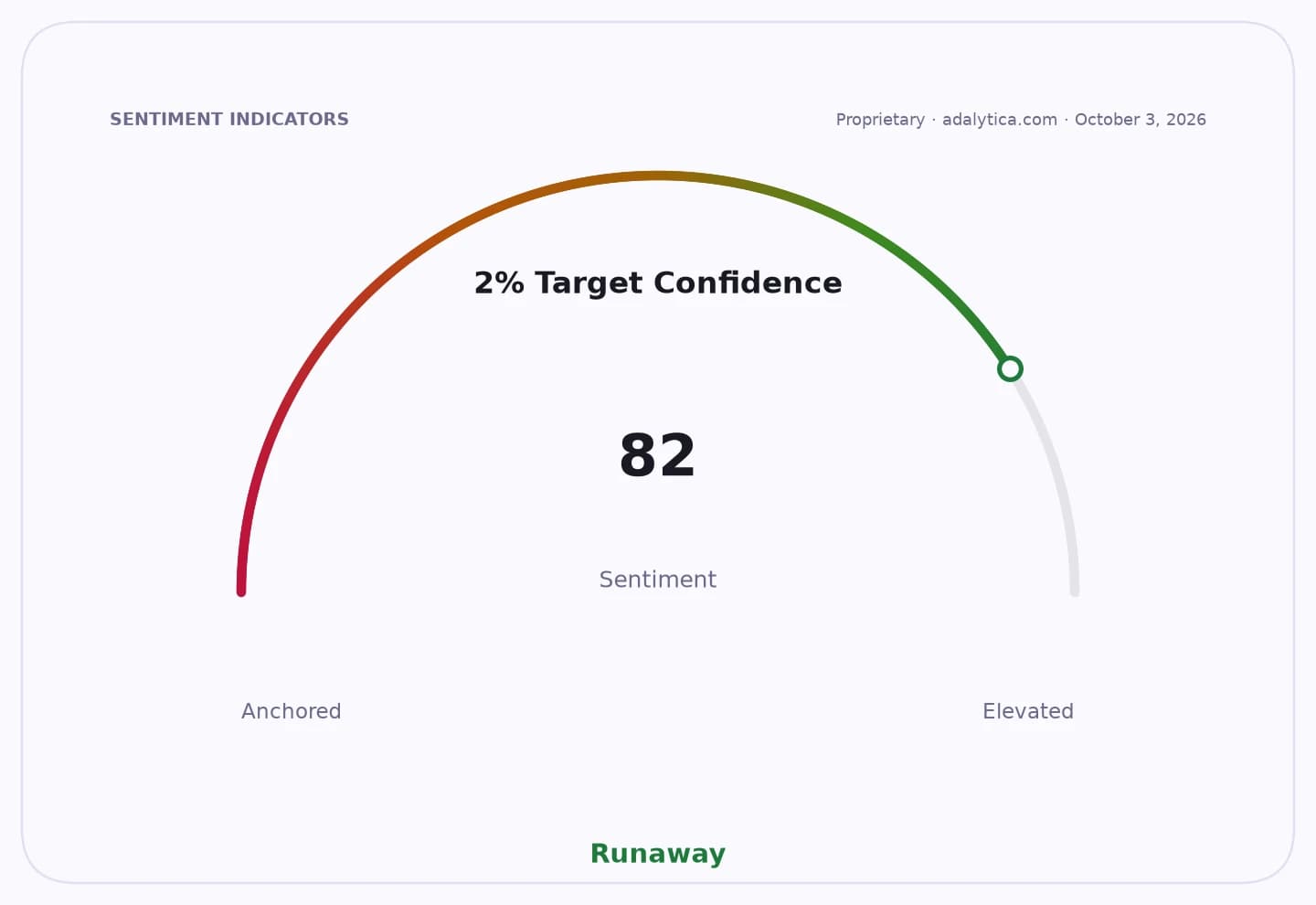
The decision was split 4-3, underscoring how delicate the balance has become. Four directors backed the 25-basis-point increase, arguing that while earlier tightening helped cool expectations in the first quarter, the recent macro backdrop has reversed some of those gains. Inflation expectations for year-end were revised up to 6.8% in September, a warning that credibility can erode quickly when price pressures return.
The policy case got harder because the pressure points are broad. Food inflation ran at 6.1% and regulated items at 6.8%, while core inflation hit its highest level since June 2024. BanRep also cited the risk that an intensification of El Niño could lift food and energy costs, while geopolitical tensions keep oil and commodities volatile. That is exactly the mix that forces central banks to stay restrictive even when growth is losing momentum.
For investors, the message is straightforward: Colombia’s rate-cut cycle may be farther away than hoped, and that changes the risk-reward across local assets. Higher-for-longer rates tend to support the peso in the near term, but they also raise the cost of capital for banks, builders, retailers and highly levered companies. They can also keep domestic demand subdued, which means earnings revisions may need to come down before they recover.
The broader macro picture argues for caution, not complacency. BanRep says internal demand is still exceeding the economy’s productive capacity, widening the external deficit through stronger imports. At the same time, global financial conditions remain tight and uncertainty around fiscal adjustment is still elevated. That combination leaves Colombia vulnerable to another bout of currency weakness or imported inflation if global risk appetite turns.
The investable takeaway is that this is no longer just a rate story — it is a regime story. Until inflation convincingly turns lower, BanRep is likely to keep policy restrictive, and the market should favor companies with pricing power, low leverage and dollar-linked revenue over rate-sensitive domestic plays. If inflation keeps surprising to the upside, the next move may be not just higher rates, but a longer period of valuation compression for Colombia’s most interest-sensitive assets.
| Entity | Gains | Losses |
|---|---|---|
| BanRep | ▲Inflation credibility | ▼Growth momentum |
| Peso-linked assets | ▲Near-term support | ▼Faster policy easing |
| Banks with strong pricing power | ▲Wider asset yields | ▼Loan demand |
| Builders and retailers | ▲— | ▼Higher financing costs |