Colombia’s inflation likely accelerated in August to its highest level in two years, raising the odds that the central bank will keep policy restrictive just as growth faces fresh pressure and the peso’s earlier relief rally loses force.
Colombia inflation seen at two-year high in August
Analysts at Corficolombiana expect annual consumer prices to rise 6.17% in August, up from 5.82% previously, with the monthly increase driven by services, regulated prices and food. If confirmed by the DANE, that would mark the fastest pace since 2023 and keep inflation well above the Banco de la República’s target range, complicating any near-term case for rate cuts.
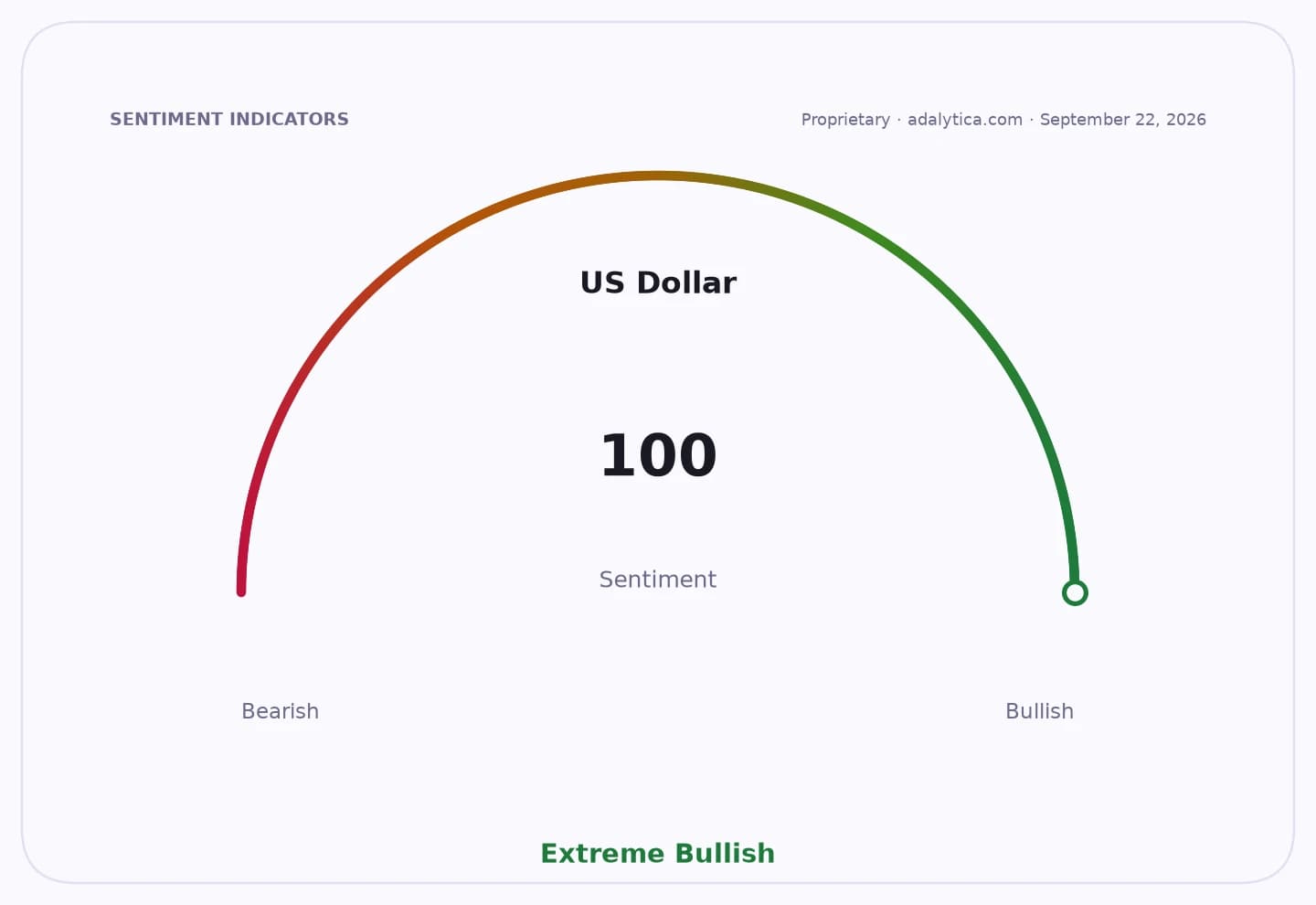
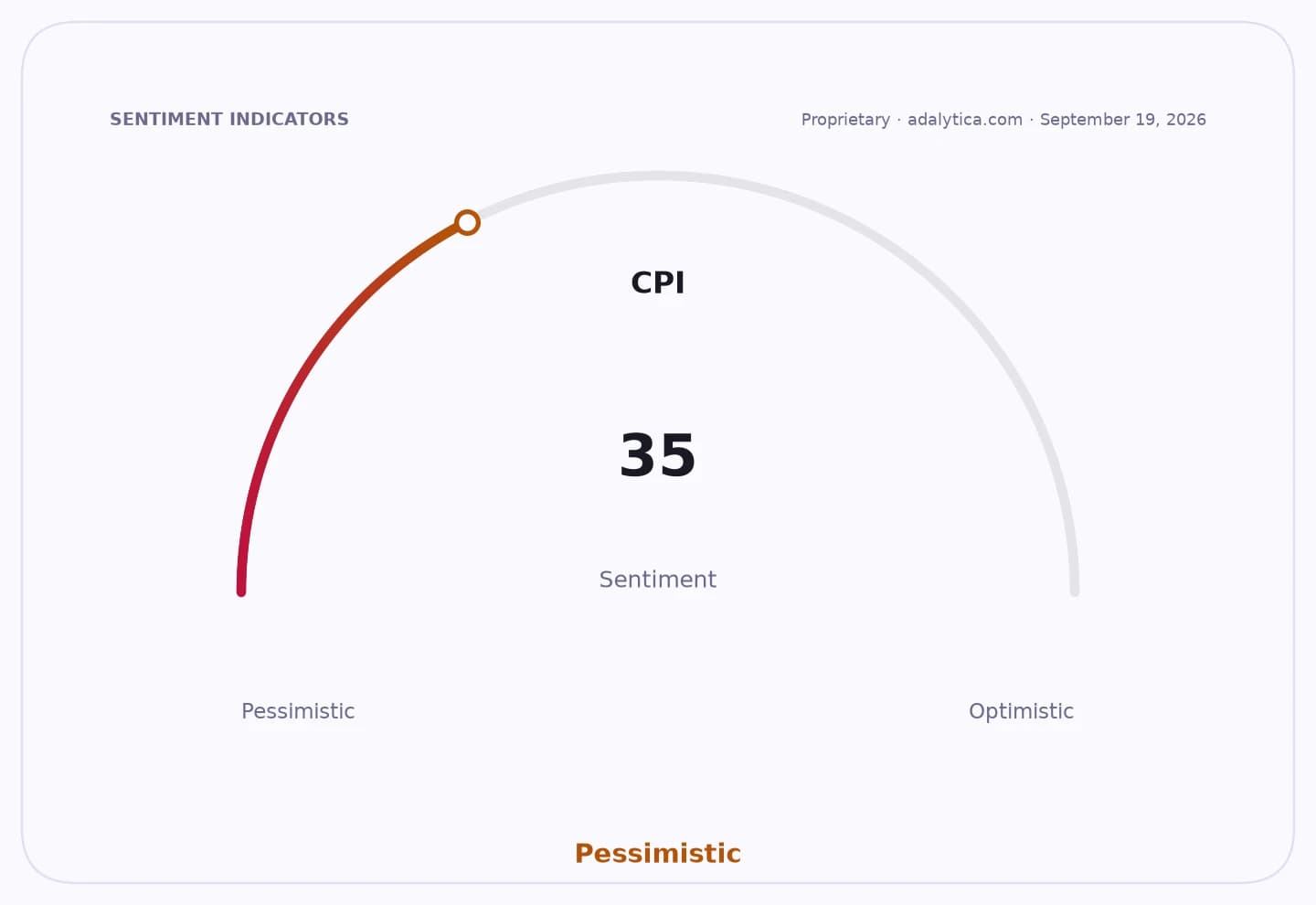
Sentiment IndicatorsⓘProprietary · adalytica.com · September 3, 2026
This is a snapshot — live sentiment, awareness and momentum for 130+ markets update continuously in the dashboard.Open AlphaPulse
The return of price pressure matters because Colombia is still trying to break the last mile of disinflation without choking off activity. Corficolombiana said a weaker exchange rate would not be enough to offset the rebound, underscoring how domestic forces are once again dominating the inflation outlook. Food prices are expected to rise 0.25% in the month, led by a 1.10% jump in perishables such as fresh fruit, vegetables and potatoes amid lower agricultural supply. Processed food would climb only 0.05%, but that still leaves annual food inflation easing only modestly, to 5.62% from 5.82%.
For investors, the message is straightforward: Colombia’s policy rate is likely to stay high for longer, keeping pressure on local borrowers while supporting carry in the currency only unevenly. Banco de la República Governor Leonardo Villar has already warned that prices are likely to keep climbing for the rest of the year, with El Niño-related heat a potential added risk. Local analysts and central bank technicians now see year-end CPI near 7%, a level that would push any meaningful easing further out.
The market has already started to price that tension. The peso has recently strengthened back toward the 3,100-per-dollar level, helped by a softer dollar and some regional currency consolidation, but that move looks fragile if August inflation confirms the rebound. In the near term, the peso’s direction will depend less on a temporary pullback in the greenback and more on whether Colombia can convince markets that inflation is peaking rather than reaccelerating.
The trade here is to stay cautious on Colombia duration and selective on peso-sensitive assets until inflation convincingly rolls over. If August prints near forecast, the bigger opportunity may not be in chasing an early easing cycle, but in owning companies and instruments that can benefit from a prolonged high-rate, high-carry environment while avoiding consumers and rate-sensitive balance sheets that remain most exposed.
| Entity | Gains | Losses |
|---|---|---|
| Banco de la República | ▲Policy credibility | ▼Near-term easing room |
| Colombian peso | ▲Carry support | ▼Inflation surprise risk |
| Banks / high-carry assets | ▲Higher-rate environment | ▼Credit demand |
| Consumers / borrowers | ▲— | ▼Higher borrowing costs |