Colombia’s central bank just raised its benchmark rate to 12.25%, and the biggest economic message is simple: fighting inflation still matters more than cheap credit. For households, companies and the government, that means borrowing will stay expensive for longer, but savers and banks are likely to keep enjoying the upside of higher returns.
Colombia Central Bank Raises Rate to 12.25%

The Bank of the Republic lifted its intervention rate by 25 basis points from 12% to 12.25% as inflation climbed to 6.24%, well above the central bank’s target. Officials defended the move as a way to preserve credibility and cool demand before price pressures become entrenched. In plain English, the bank is choosing to slow the economy a bit now rather than risk a more painful inflation problem later.
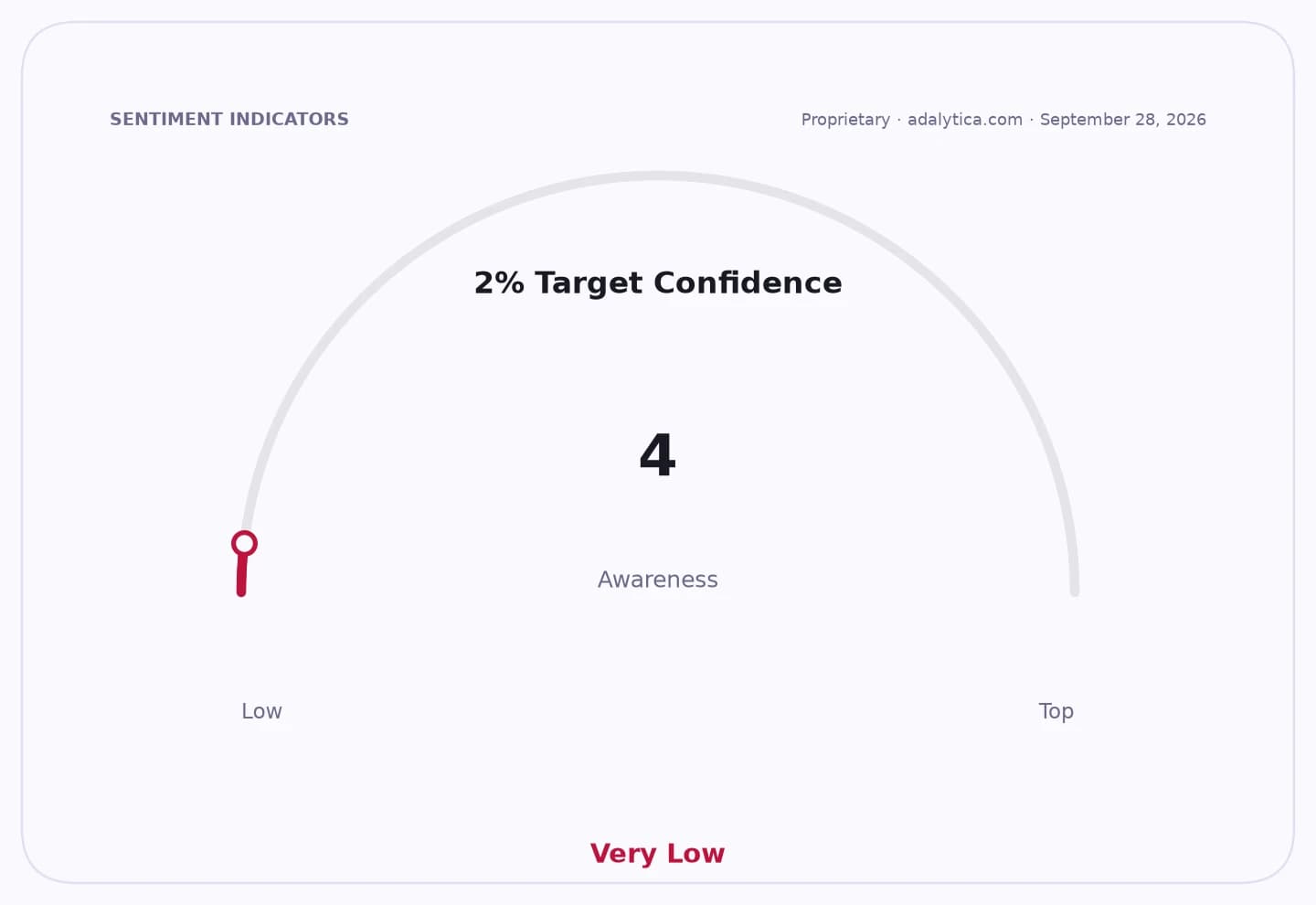
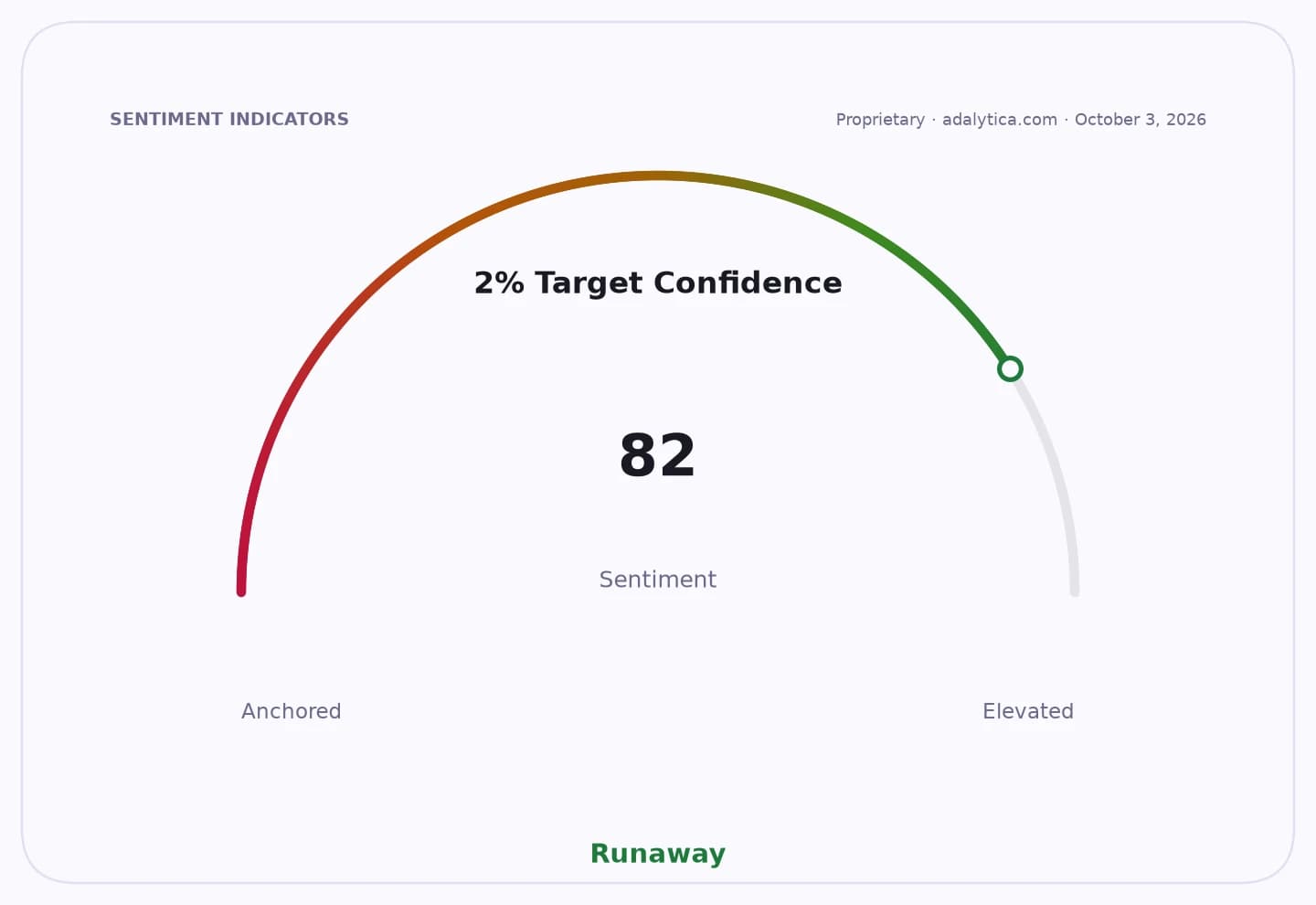
Sentiment IndicatorsⓘProprietary · adalytica.com · October 4, 2026
This is a snapshot — live sentiment, awareness and momentum for 130+ markets update continuously in the dashboard.Open AlphaPulse
That trade-off matters because Colombia is already showing signs of fatigue. The ISE economic activity index pointed to a sharp slowdown in July, with annual growth of just 1.1%, while manufacturing has weakened. Higher rates will not help growth in the short run. They raise the cost of consumer loans, mortgages and business credit, which can delay spending and investment at exactly the moment the economy needs momentum.
Still, the central bank’s logic is hard to ignore. Inflation has been stubborn, fiscal policy remains a concern, and the weather risk from a strong El Niño could keep food and energy prices under pressure. The bank also sees room for the peso’s earlier appreciation to filter through to prices only if demand cools enough. That is why policymakers are staying restrictive even as the government says it supports the decision.
For investors, the winners are clear. Savers sitting on cash, buyers of fixed income and banks stand to benefit from higher interest rates. Certificates of deposit and other local fixed-income products should keep offering more attractive yields, while financial stocks tend to gain when lending rates rise. The losers are just as obvious: indebted households, leveraged consumers and companies planning expansion.
That is where the long-term investment story really begins. Rate hikes are painful in the moment, but they are usually a sign that policymakers are trying to keep the broader economy stable. If inflation does ease and fiscal discipline improves, Colombia could eventually move toward lower rates and a healthier growth backdrop. For now, investors should expect a tougher credit environment, more pressure on consumption and a better case for patience than for aggressive borrowing. Worth watching, and worth keeping on a long-term watchlist.
| Entity | Gains | Losses |
|---|---|---|
| Savers / CD holders | ▲Higher yields | ▼Lower purchasing power in the short term |
| Banks / financial sector | ▲Wider lending income | ▼Slower loan growth |
| Households with debt | ▲— | ▼Costlier credit and less consumption |
| Businesses / borrowers | ▲— | ▼Delayed investment and expansion |