Brazil’s Treasury lowered its 2026 growth forecast to 2% from 2.3% and trimmed its inflation estimate to 4.9%, underscoring a slowing economy that is still not cooling enough to bring prices fully back inside the official target band.
Brazil Treasury cuts 2026 growth forecast to 2%

The revision matters because it points to a softer expansion next year without delivering the policy relief investors would normally expect from weaker growth. Inflation is now seen easing from 5.1%, but at 4.9% it would still remain above the 4.5% ceiling of the target range, leaving the government and central bank with limited room to ease pressure on borrowing costs.
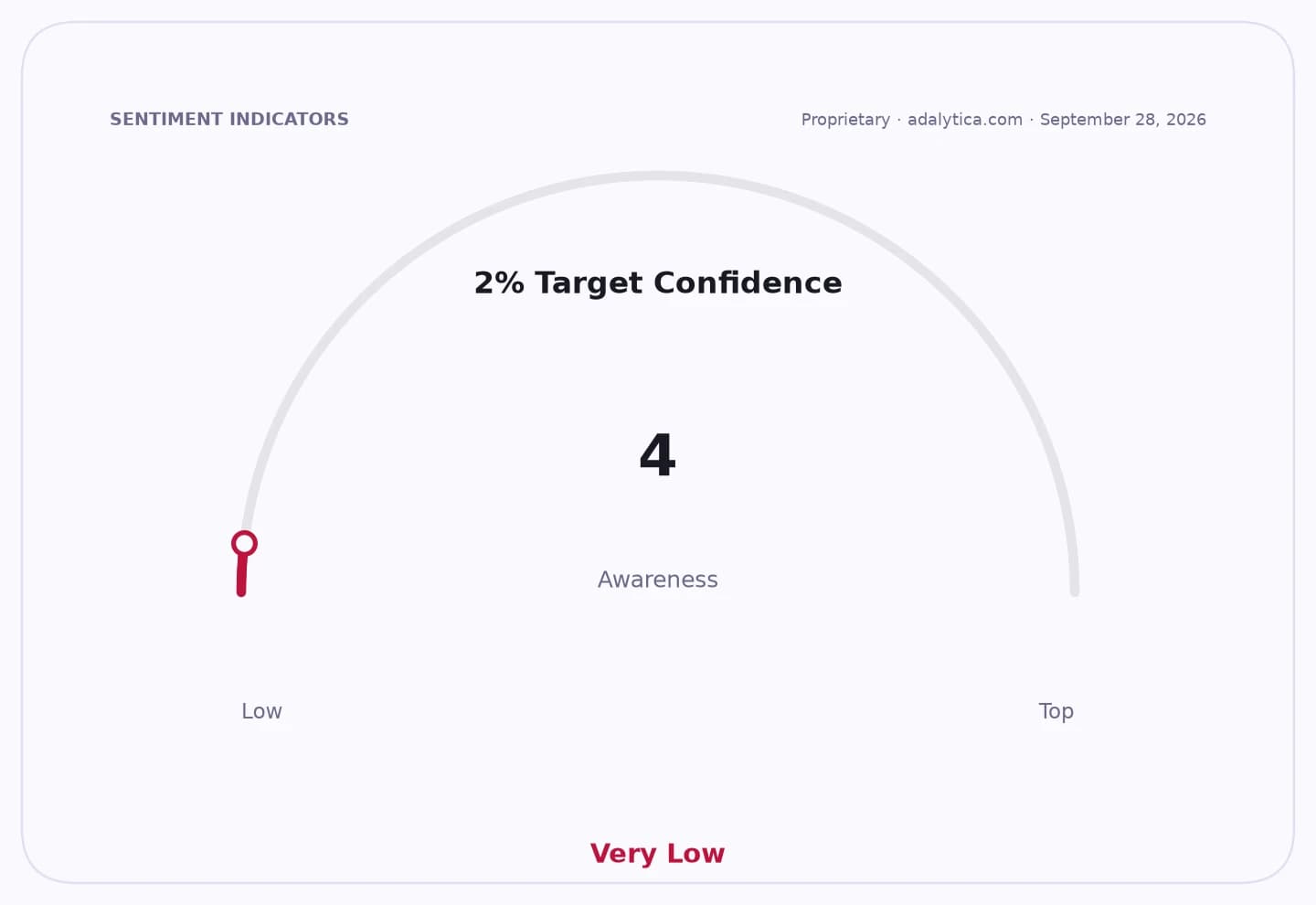
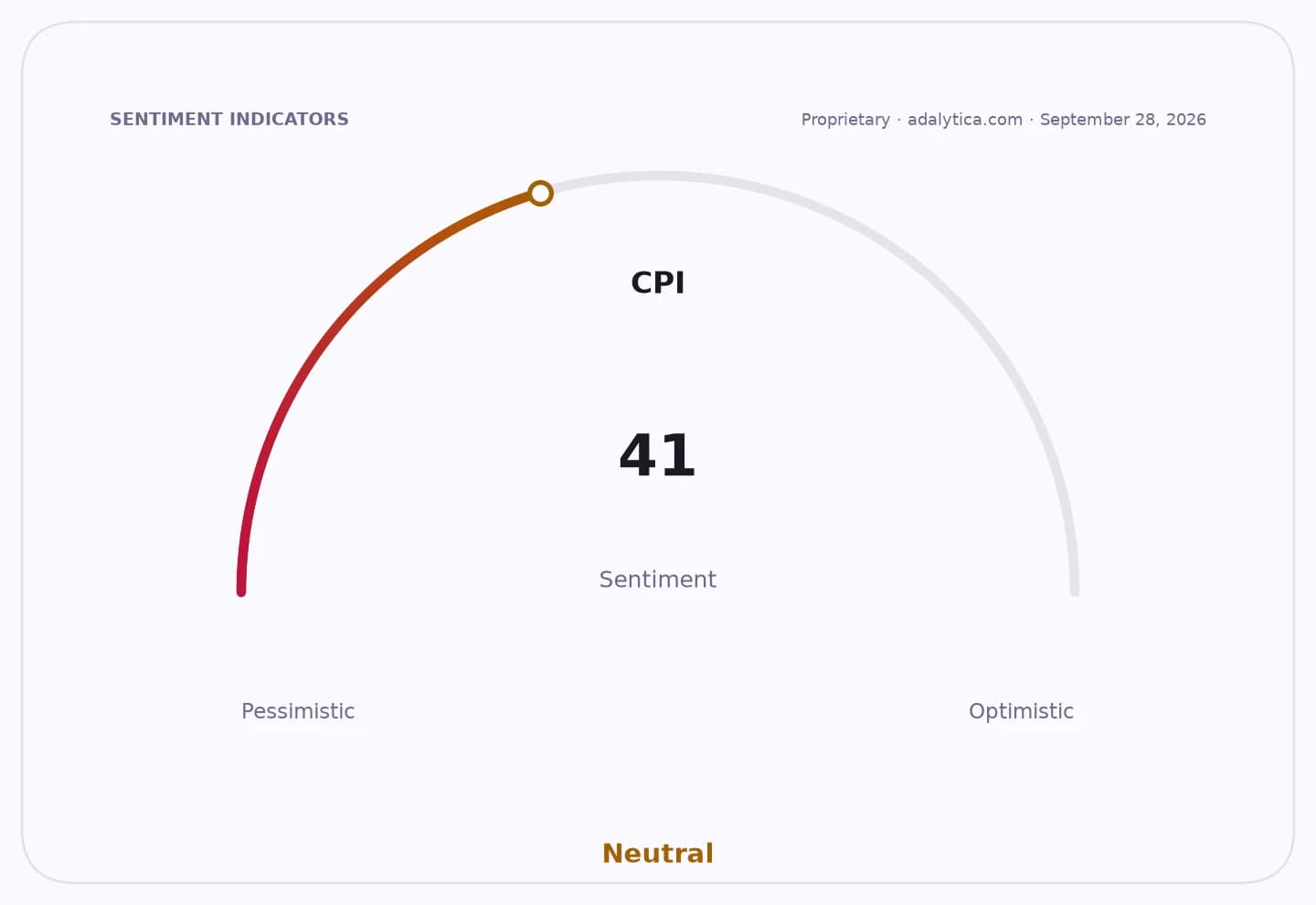
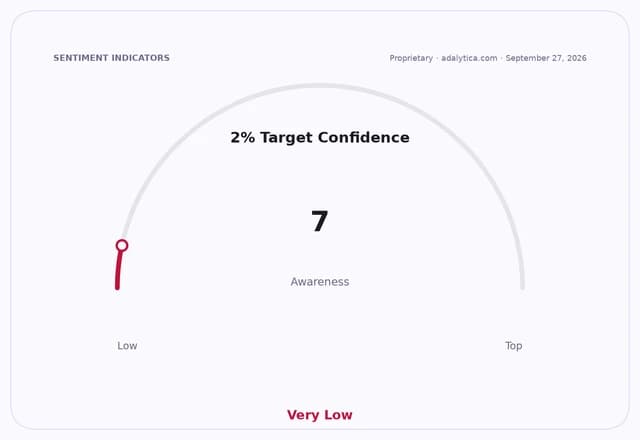
Sentiment IndicatorsⓘProprietary · adalytica.com · September 27, 2026
This is a snapshot — live sentiment, awareness and momentum for 130+ markets update continuously in the dashboard.Open AlphaPulse
The downgrade came in the Treasury’s latest Macro Fiscal Bulletin, which said services are dragging on activity and household debt is still constraining spending. While household indebtedness as a share of income is described as stable, the share of income devoted to debt service reached a record in the second quarter, limiting how much wage growth can translate into consumption. The ministry also flagged high credit costs as a continuing problem for industry.
For markets, the message is mixed. Slower growth generally supports fixed income by reinforcing the case for eventual policy easing, but the fact that inflation remains above target argues against a rapid shift in rate expectations. That tension is visible in bond pricing: long-duration U.S. Treasury proxies such as the iShares 20+ Year Treasury Bond ETF have been weak, while Brazilian local assets remain sensitive to any sign that disinflation is stalling before policymakers can turn more dovish.
The Treasury’s own outlook suggests the economy is entering a late-cycle phase in which services are no longer able to offset weak manufacturing and heavily indebted consumers. That combination is usually uncomfortable for corporate earnings, especially in rate-sensitive sectors such as retail, discretionary goods and industrials that rely on credit demand.
The bull case is that softer growth and lower inflation forecasts create more room for a benign landing in 2026, with easier financial conditions eventually supporting consumption. The bear case is that high debt-service burdens keep domestic demand subdued while inflation remains sticky enough to keep real borrowing costs elevated, prolonging the squeeze on households and companies.
For investors, the key question is whether the slowdown is enough to force a meaningful policy response, or whether Brazil gets the worst of both worlds: growth downshifting while inflation stays above target. The next macro releases will matter less for the headline GDP number than for whether services, wages and credit conditions confirm that the economy is losing momentum faster than prices are coming down.
| Entity | Gains | Losses |
|---|---|---|
| Brazilian government | ▲Lower inflation optics | ▼Slower growth outlook |
| Bond investors | ▲Easier easing case | ▼Policy remains restrictive |
| Households | ▲Potential disinflation relief | ▼Heavy debt-service burden |
| Industry/retail sectors | ▲Future rate relief if growth stabilizes | ▼High credit costs, weak demand |