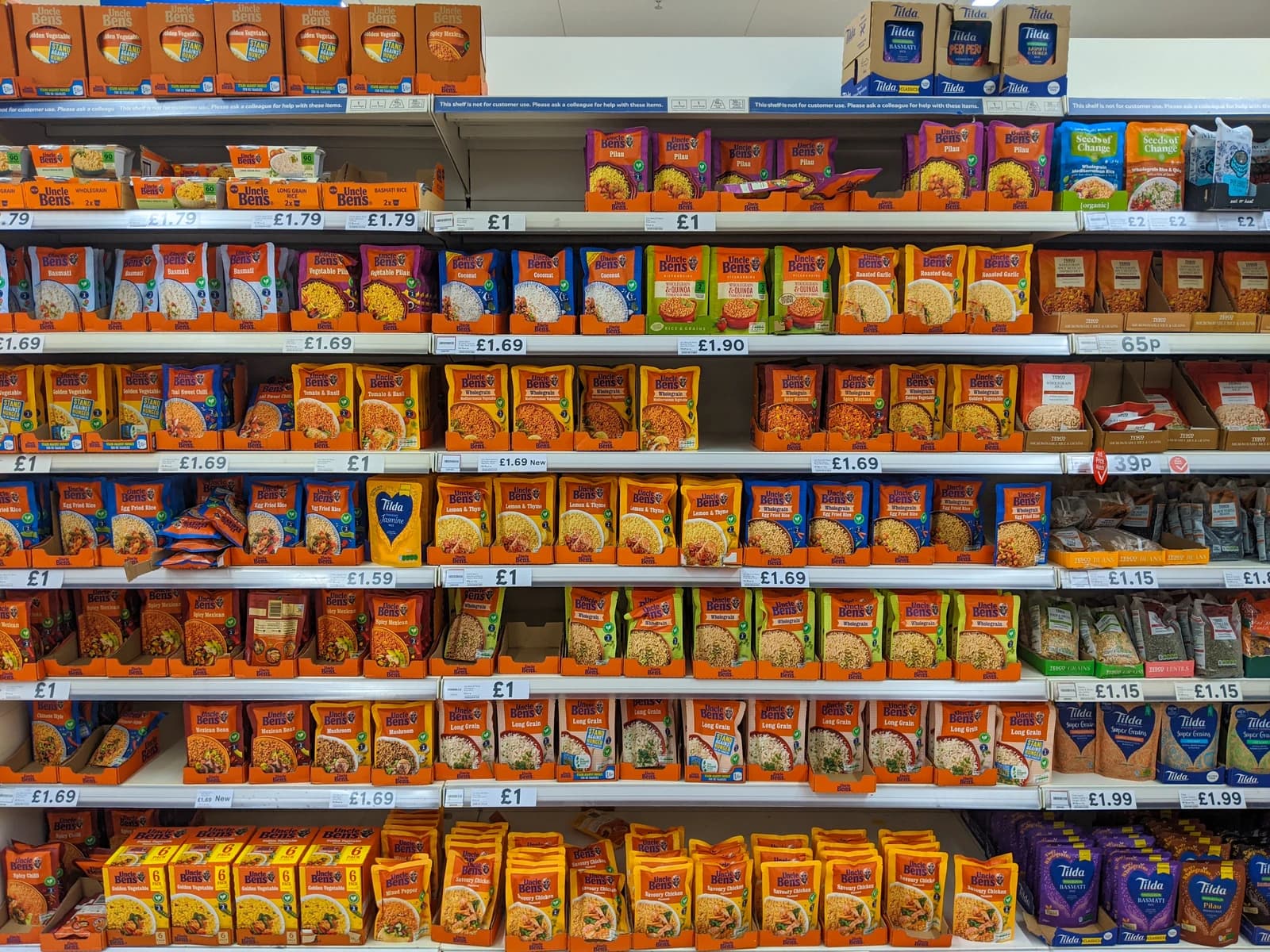
Geraldo Alckmin’s visit to a supermarket and his claim that the Lula government has “controlled inflation” is the clearest sign yet that Brazil’s economic debate is turning on household purchasing power, with food prices now central to the country’s political and market narrative.
Brazil Food Inflation and Alckmin Supermarket Visit
The vice president is not just responding to an election-line attack; he is trying to defend the government’s macroeconomic record at a moment when inflation remains one of the most politically sensitive variables in Latin America’s largest economy. By taking the argument to the grocery aisle, Alckmin is acknowledging that headline inflation is less important to voters than what they pay for rice, oil, beans and sugar — the items that shape real incomes and consumer confidence.
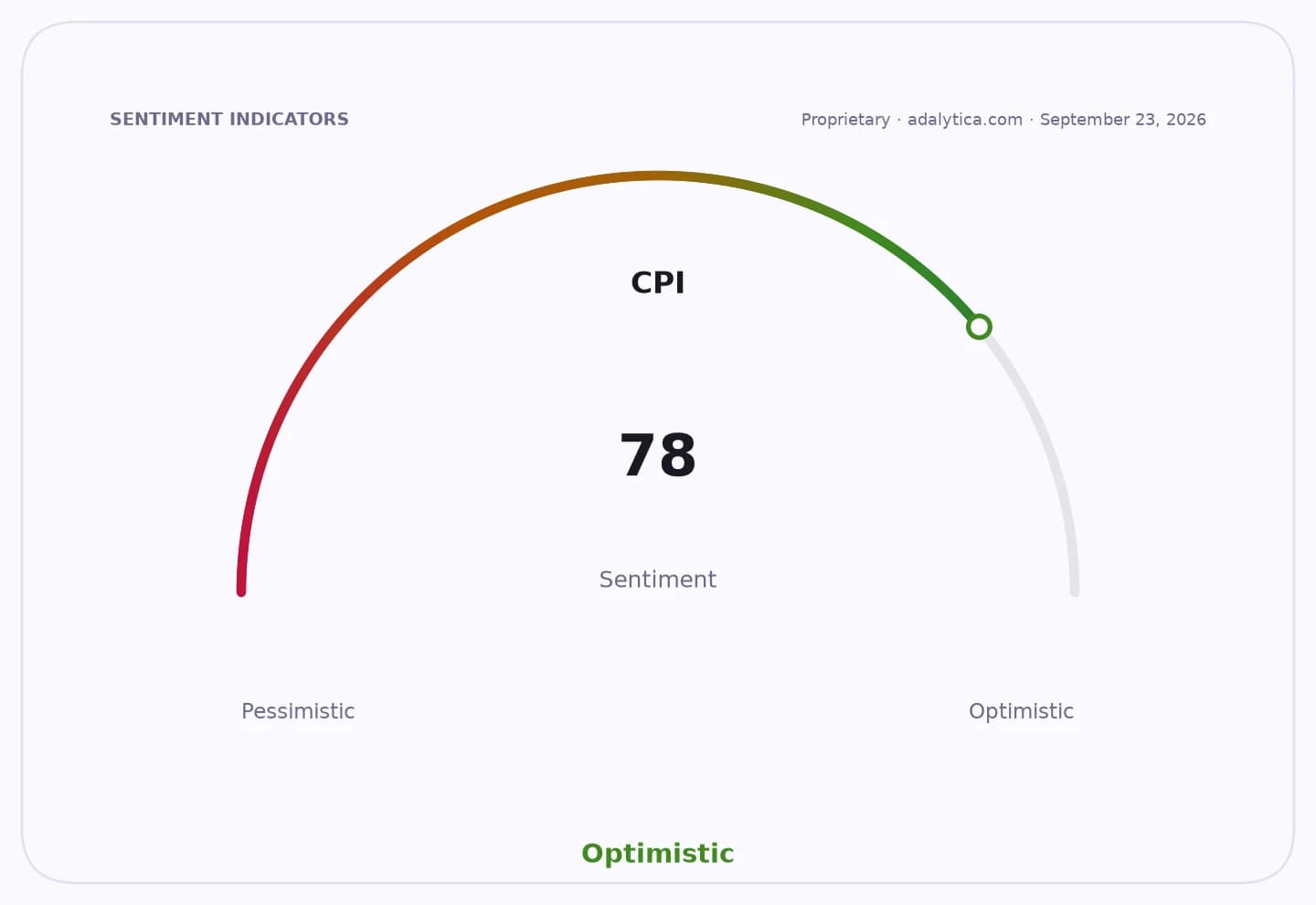
Sentiment IndicatorsⓘProprietary · adalytica.com · September 28, 2026
This is a snapshot — live sentiment, awareness and momentum for 130+ markets update continuously in the dashboard.Open AlphaPulse
His numbers are meant to show that the pressure on food costs has eased materially under Lula compared with Jair Bolsonaro’s term. Alckmin said food inflation rose 57% in the previous administration and 13.6% under Lula, while citing falls in rice, soybean oil, black beans, wheat flour and sugar. Even allowing for the political framing, the message is that the government wants credit for restraining the cost of staples through credit policy, Conab purchases and tax changes under the broader reform agenda.
That matters economically because food inflation feeds directly into household spending power, especially among lower-income consumers, and because it shapes expectations for both monetary policy and fiscal credibility. Brazil’s central bank has kept policy tight to contain inflation, and the country is still carrying the burden of high real rates. The latest macro backdrop is not one of runaway prices, but of fragile growth, a wider current-account deficit and still-elevated external pressures from US rates and tariffs. In that setting, even modest moves in food prices can have outsized effects on sentiment and policy debate.
For investors, the significance is twofold. First, a government that can credibly argue inflation is contained may find more room to defend spending, support consumption and resist a more aggressive tightening bias. Second, if the cost-of-living narrative improves, it could help Brazilian risk assets by strengthening confidence in the policy mix, which already includes reforms aimed at easing the tax burden on basic foods. But the trade-off is that political pressure to keep food prices down can invite interventionist measures that distort incentives for producers and retailers.
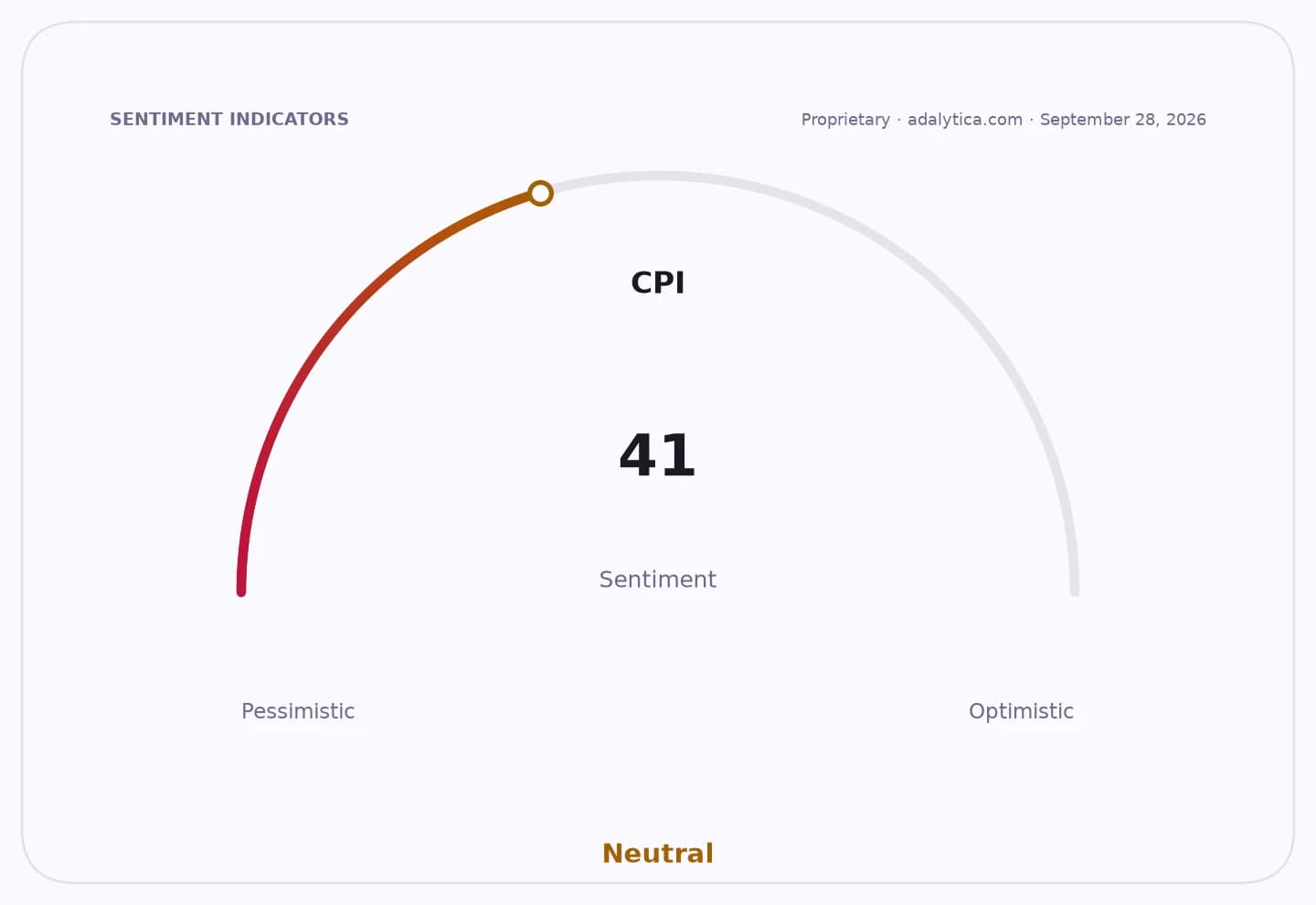
The market has already shown how sensitive Brazil is to inflation and policy signals. EWZ, the iShares MSCI Brazil ETF, has been volatile but remains well above its 50-day and 200-day moving averages, indicating investors are still willing to pay for Brazilian exposure even as momentum has cooled. At the same time, Adalytica’s CPI sentiment gauge sits in neutral territory, suggesting inflation expectations are not in crisis but remain vulnerable to shifts in food and energy prices.
The broader narrative is that the Lula government is trying to turn inflation from a weakness into a political asset. Alckmin’s supermarket video is a communications exercise, but it also reflects a bigger economic battle: whether voters credit the administration for preserving purchasing power, or whether the opposition succeeds in framing Brazil as still too expensive. With elections approaching and growth slowing, that fight over the price of food could become one of the most consequential macro stories in the country.
| Entity | Gains | Losses |
|---|---|---|
| Lula government | ▲Inflation credibility | ▼Opposition attack line |
| Consumers | ▲Lower staple prices | ▼Eroded purchasing power |
| Retailers | ▲Stable demand support | ▼Price-control pressure |
| EWZ/Brazil assets | ▲Policy confidence | ▼Inflation-driven volatility |