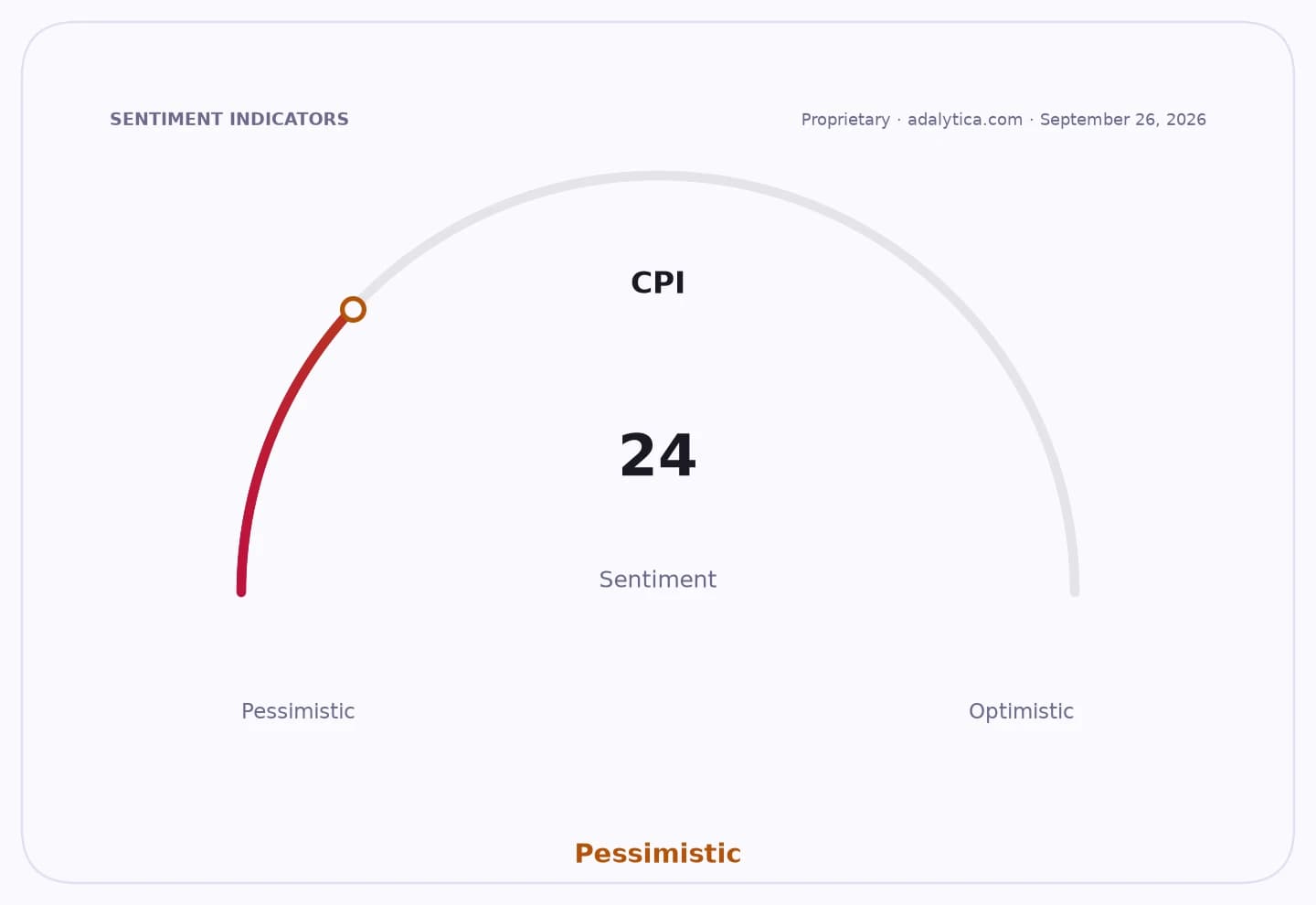
Indonesia’s food prices edged higher on Wednesday, with lower-quality beef, rice, chilies and sugar all climbing in a pattern that points to a fresh near-term inflation risk for households and policymakers.
Indonesia food prices rise on rice, beef and chilies
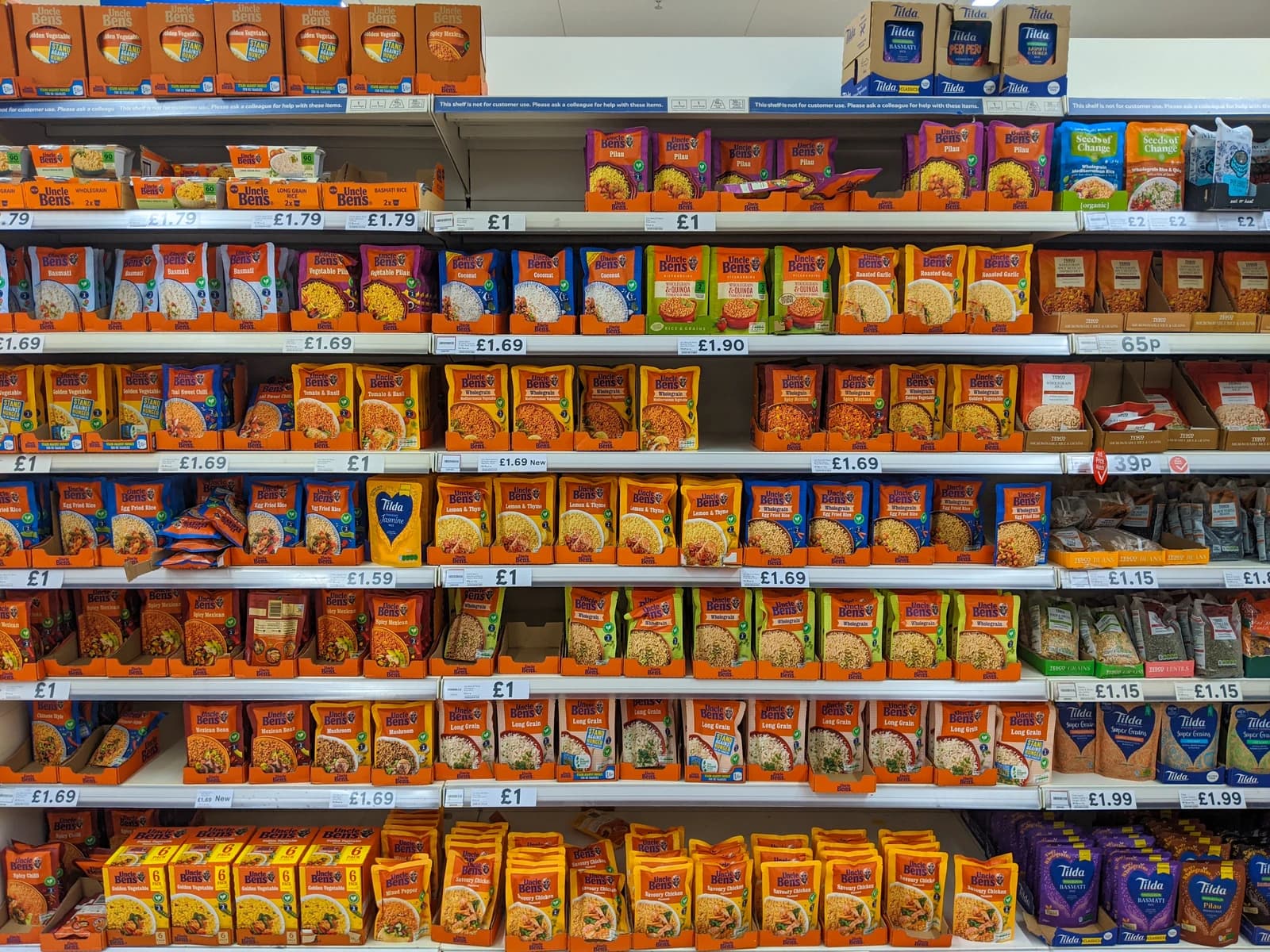
The move matters because food remains the most visible and politically sensitive component of consumer inflation in Southeast Asia’s largest economy. Even modest gains across staples can quickly feed through to transport, dining, and wage expectations, especially when the increases are spread across protein, rice and seasoning goods rather than confined to a single crop.
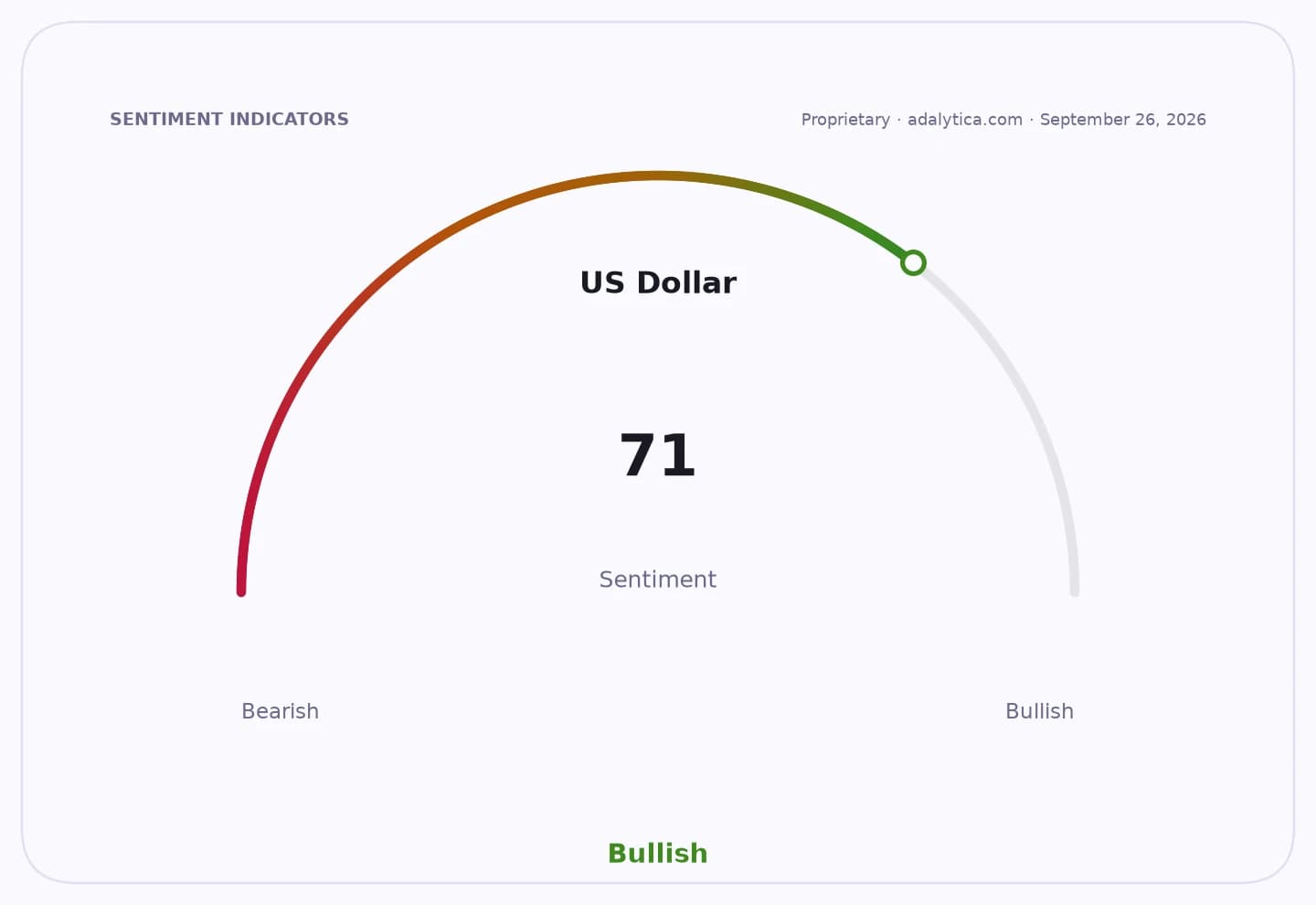
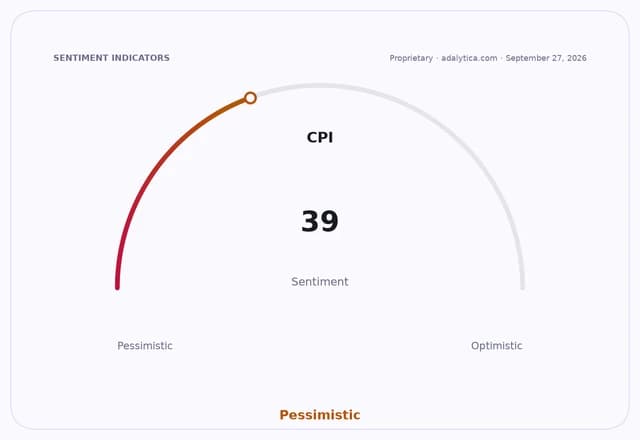
Sentiment IndicatorsⓘProprietary · adalytica.com · September 27, 2026
This is a snapshot — live sentiment, awareness and momentum for 130+ markets update continuously in the dashboard.Open AlphaPulse
Bank Indonesia’s PIHPS data showed rice prices firming across the lower end of the market, with lower-quality rice grade I up 0.67% to Rp15,000 per kilogram and super grade I rising 0.28% to Rp17,950. Beef was also firmer, with quality I up 0.36% to Rp152,900 and quality II up 0.35% to Rp143,500. Chilies, a frequent driver of headline food inflation in Indonesia, rose across all tracked varieties, led by curly red chilies, up 1.68% to Rp69,800, and green bird’s eye chilies, up 2.23% to Rp68,650.
Sugar and some packaged oil prices also inched higher, while chicken and eggs were a small offset. That mix suggests the pressure is broad rather than isolated, which is more important for inflation watchers than the size of any single move. When several high-frequency staples rise together, it raises the odds that retailers and food vendors pass costs through to consumers.
For investors, the immediate read is mixed. Consumer staples companies with pricing power may be able to protect margins if demand holds, but restaurants, food processors and import-dependent distributors face a tighter cost environment. If the move persists, it could also complicate Bank Indonesia’s balancing act between supporting growth and keeping inflation expectations anchored.
The backdrop is also unfavorable. Climate stress and supply disruptions have kept food markets sensitive, and recent commodity volatility means even small domestic moves can become sticky if wholesale costs continue rising. For now, the data look like an early warning rather than a full inflation shock, but the breadth of the increase will keep traders and policymakers watching whether rice and protein prices continue to firm into October.
| Entity | Gains | Losses |
|---|---|---|
| Food retailers | ▲Pass-through pricing | ▼Household affordability |
| Consumer staples producers | ▲Better pricing power | ▼Margin pressure from input costs |
| Bank Indonesia | ▲Inflation vigilance justified | ▼Easier policy room |
| Indonesian consumers | ▲— | ▼Higher grocery bills |