Singapore’s core inflation climbed to 2.2% in August, reminding investors that price pressures in one of Asia’s most open economies are proving harder to shake than many expected.
Singapore core inflation rises to 2.2% in August
That matters because Singapore sits at the crossroads of global trade, imported energy and regional consumer demand. When core prices rise, it is usually a sign that higher costs are filtering through supply chains rather than just a temporary jump in volatile items. For households, that means the cost of living relief remains limited. For businesses, it means margins are still being squeezed by food, transport and services expenses.
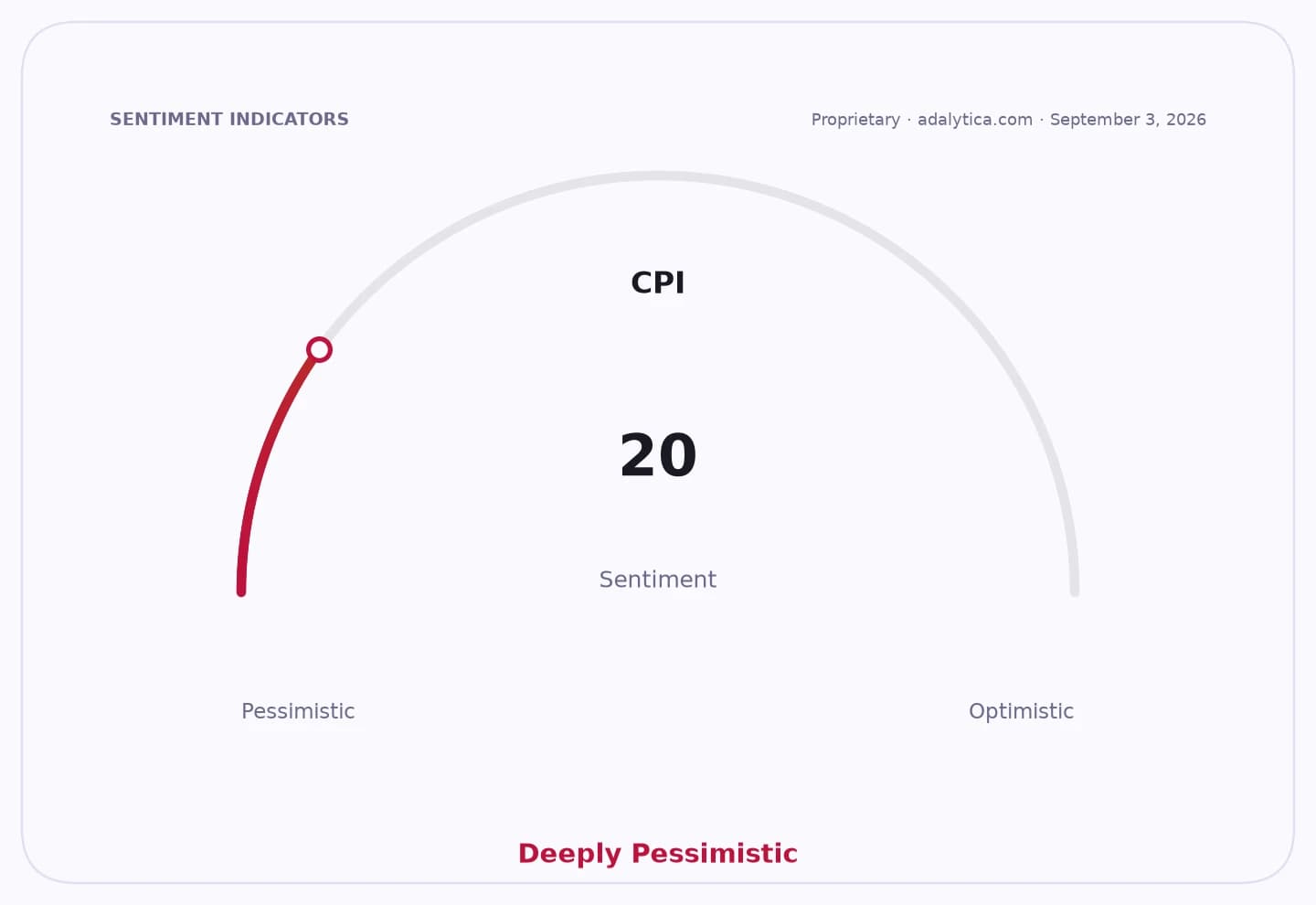
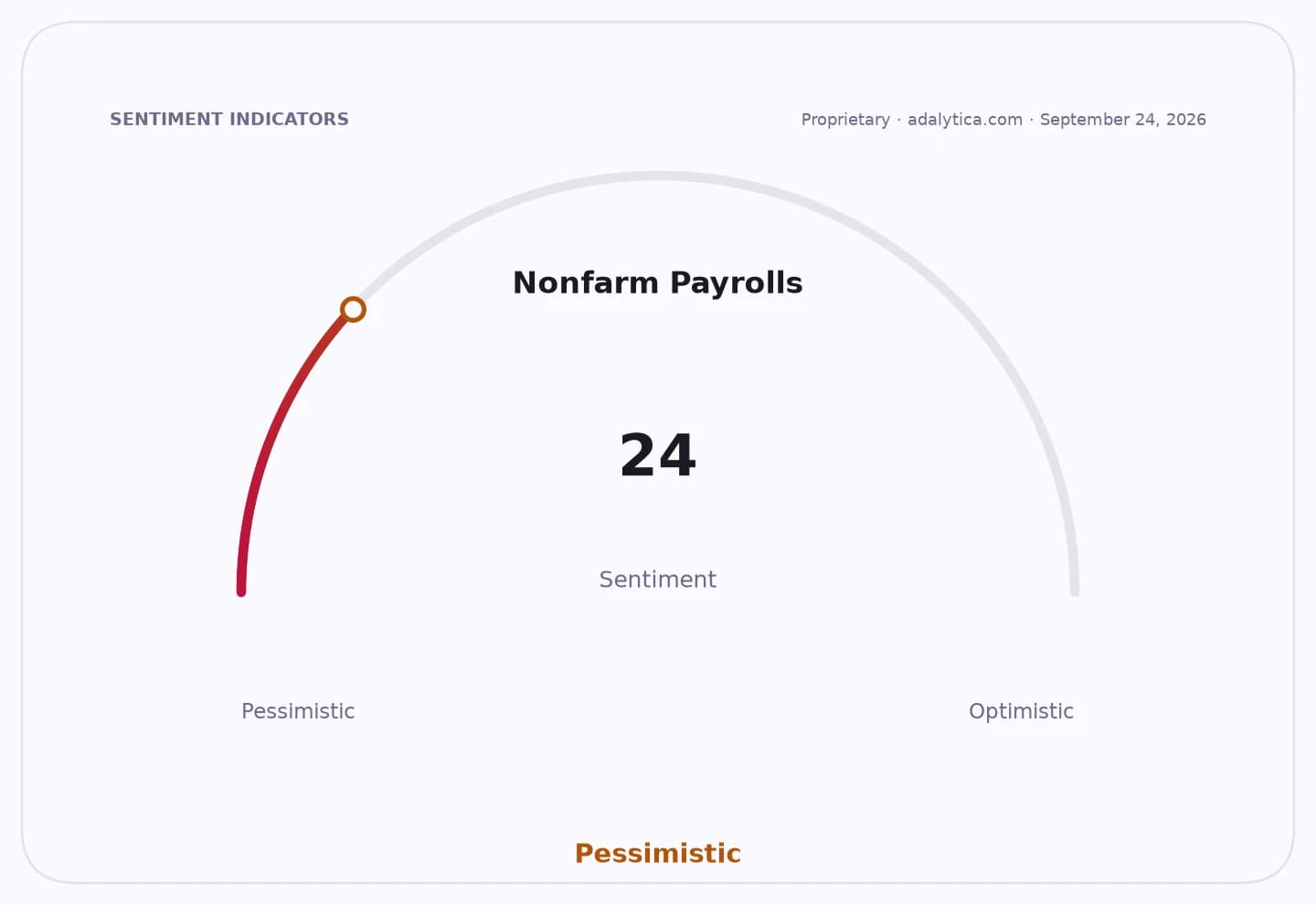
Sentiment IndicatorsⓘProprietary · adalytica.com · September 27, 2026
This is a snapshot — live sentiment, awareness and momentum for 130+ markets update continuously in the dashboard.Open AlphaPulse
The rise from July was broad enough to matter. Food inflation ticked up to 2.3% from 2.2%, retail and other goods rose to 1.8% from 1.4%, and services inflation accelerated to 2% from 1.7%. Electricity and gas inflation stayed elevated at 8.7%, reflecting the impact of higher regulated tariffs. On a month-on-month basis, core prices increased 0.3%, while overall inflation rose 0.6%.
For policymakers at the Monetary Authority of Singapore and the Ministry of Trade and Industry, the message is not that inflation is spiraling, but that it is refusing to fade quickly. They now expect core inflation and headline inflation to average 1.5% to 2.5% in 2026, with inflation likely to stay elevated into next year before easing from around mid-2027 as global energy costs cool. That forecast matters because Singapore does not set interest rates in the same way the Federal Reserve does; it manages policy through the exchange rate, so inflation trends feed directly into expectations for currency policy and imported price pressures.

Investors should read the report as a reminder that Singapore’s domestic economy remains tied to the global inflation cycle. High and volatile oil prices, weather-related food supply risks and stronger input costs are still pushing up imported goods and services. If those pressures persist, companies with thin margins and limited pricing power may struggle to protect earnings, while businesses that can pass on costs — or benefit from higher nominal spending — may prove more resilient.
There is also a second-order investment angle. Persistently sticky inflation can keep pressure on bond yields and delay a broader easing in financial conditions, especially if global central banks stay cautious. That is not a reason to abandon Singapore exposure, but it is a reason to favor quality: profitable companies, balance-sheet strength and steady cash generation matter more when cost inflation stays stubborn.
The long-term takeaway is straightforward. Singapore is not facing runaway inflation, but August’s reading shows the return to normal is uneven. For investors, that makes this a market to watch, not fear — and a reminder to stay diversified, patient and focused on businesses that can compound through different inflation regimes.
| Entity | Gains | Losses |
|---|---|---|
| Inflation-linked businesses | ▲Higher nominal pricing | ▼Consumers’ purchasing power |
| Consumer staples and utilities | ▲Ability to pass through costs | ▼Margins if demand weakens |
| Singapore policymakers | ▲Data to justify caution | ▼Pressure to ease policy quickly |
| Bond investors | ▲Little in sticky inflation | ▼Duration-heavy portfolios |