Malaysia’s inflation rate is easing, but households are still paying more for meals and groceries because price increases have not gone away — they have just slowed.
Malaysia inflation eases as food prices stay elevated
The gap between softer headline inflation and still-elevated food bills is the key economic story for Malaysia. The Department of Statistics said headline inflation slipped to 1.8% in July 2026 from 1.9% in June, while annual inflation averaged 1.4% in 2025, down from 1.8% in 2024. But that does not mean prices are falling, and it helps explain why consumers still feel squeezed at the checkout and the food stall.
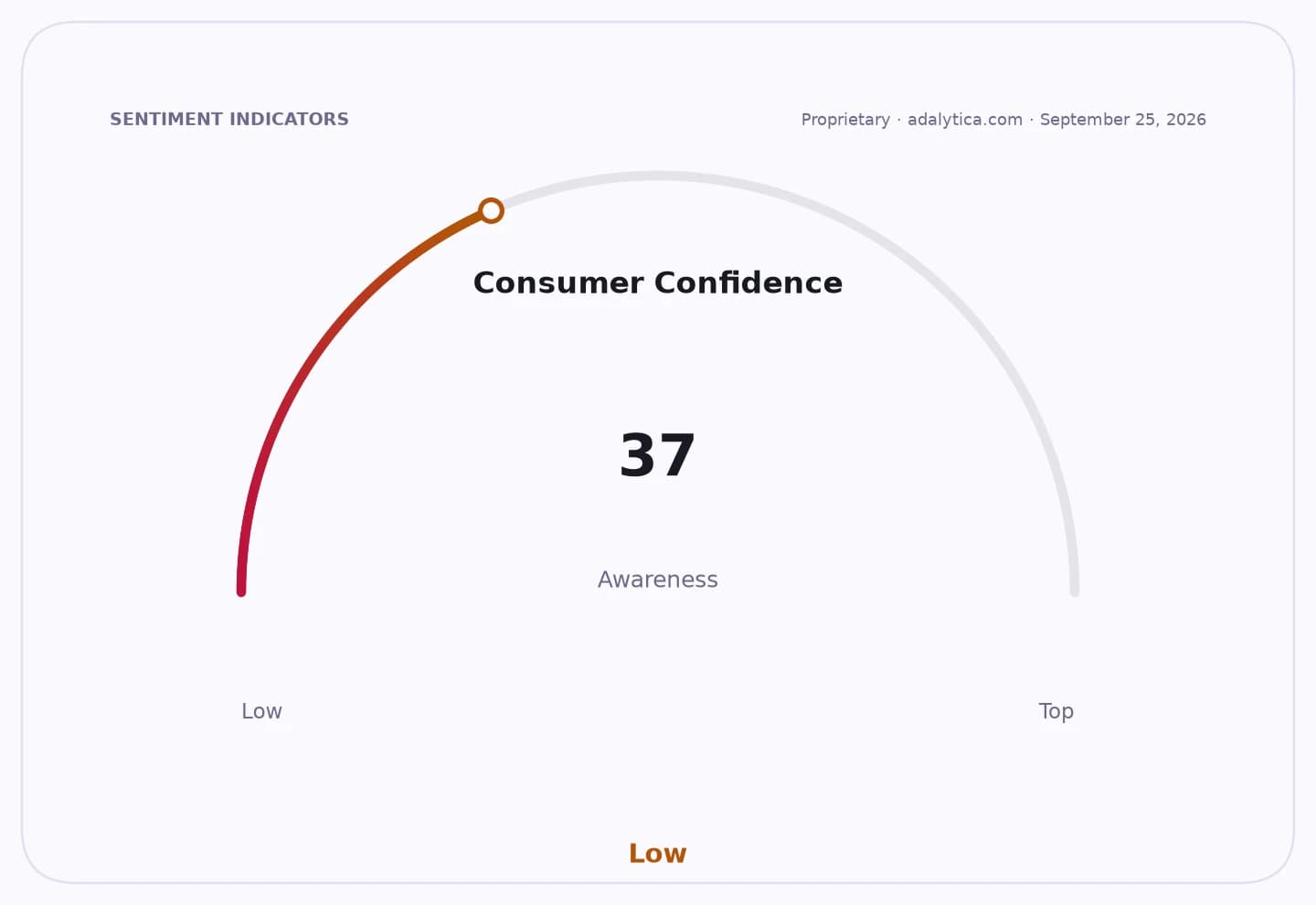
Sentiment IndicatorsⓘProprietary · adalytica.com · September 25, 2026
This is a snapshot — live sentiment, awareness and momentum for 130+ markets update continuously in the dashboard.Open AlphaPulse

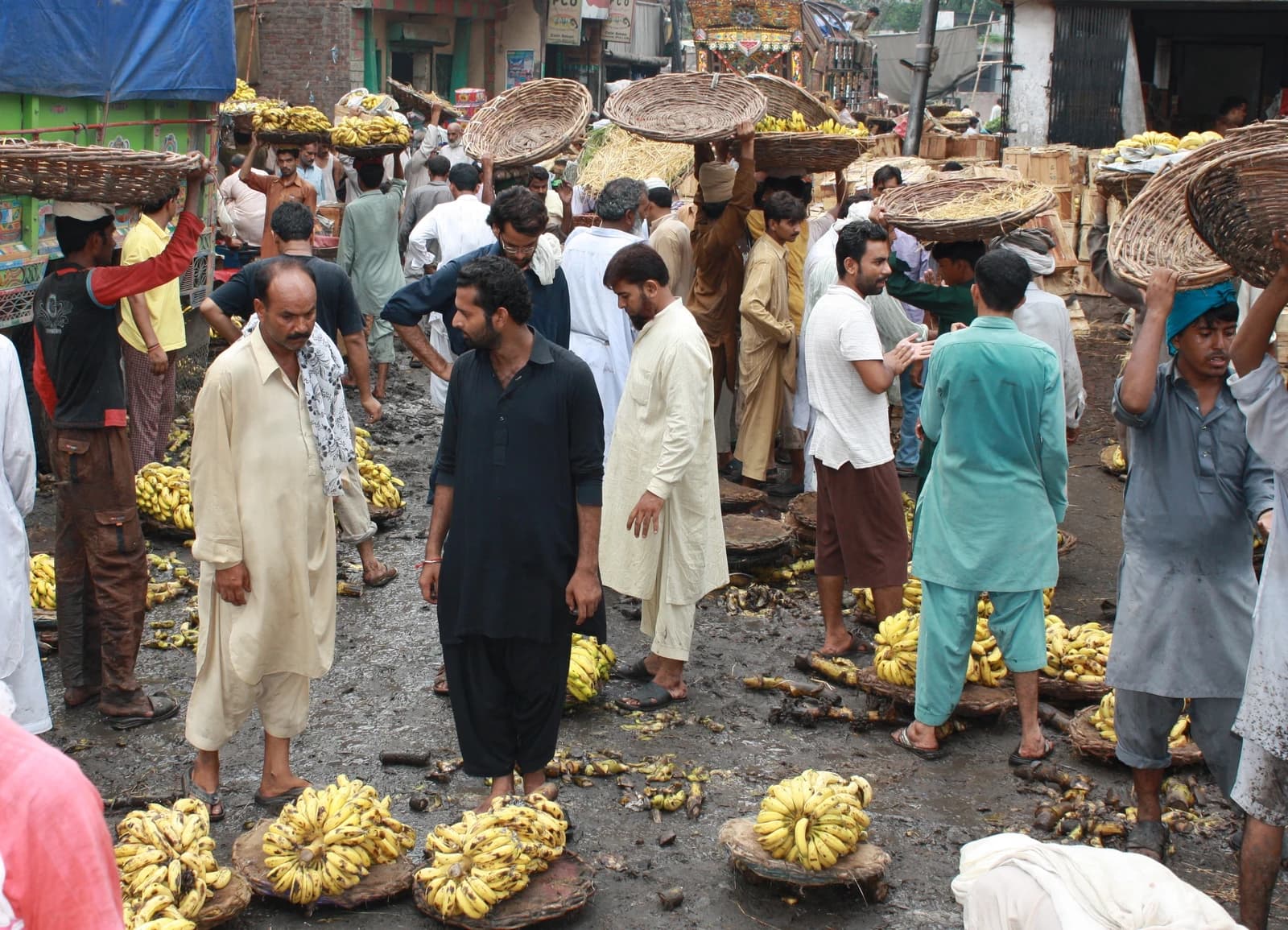
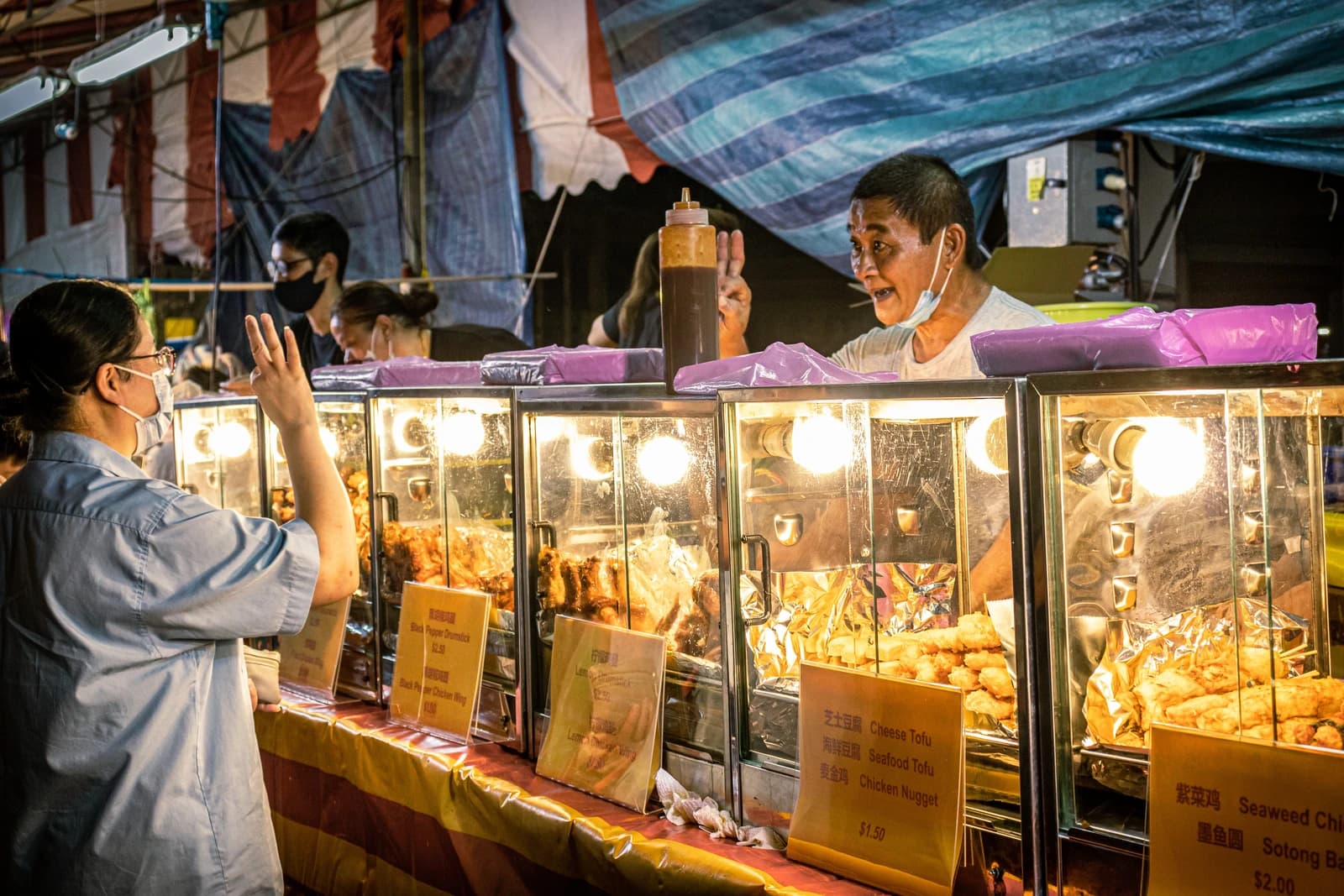
Food remains one of the clearest pressure points. Food and beverages inflation accelerated to 1.8% in July from 1.4% in June, with the category rising 0.3% month-on-month. Meat prices climbed 3.2% from a year earlier, while chicken rose 6.7% to RM10.88 per kg from RM10.25 in 2025. Food away from home increased 2.5%, a reminder that restaurant and hawker-stall pricing is being driven by more than just ingredient costs.
The broader CPI basket also shows why the cooling inflation story feels different on the ground. DOSM said 374 of 573 items in the basket posted price increases in July, while 157 declined and 42 were unchanged. Of the items that rose, 367 increased by 10% or less, underscoring how inflation can moderate even as a large share of goods still gets more expensive.

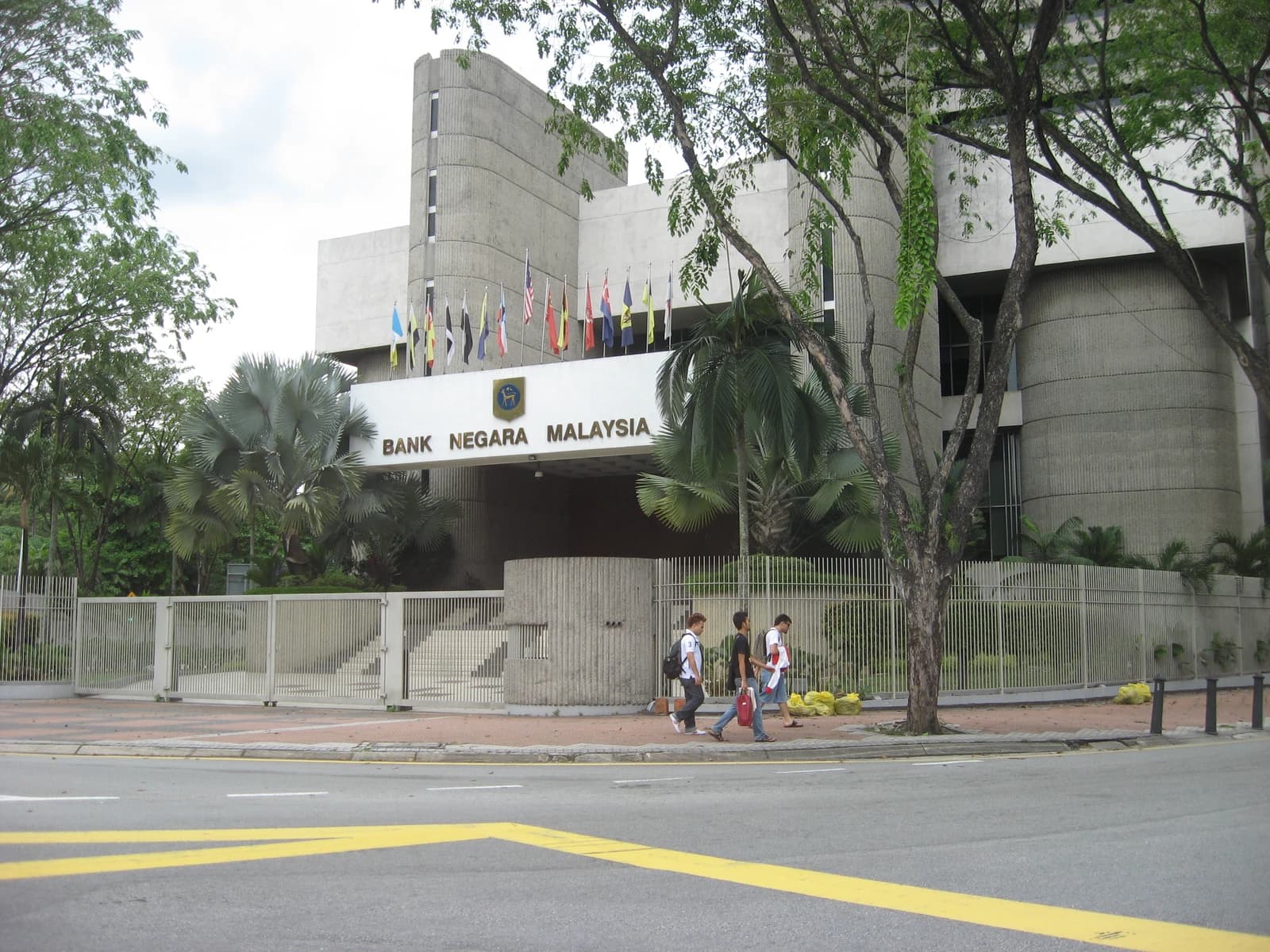
The cost of a meal is being pushed up by labor, rent, utilities, transport and packaging as well as raw ingredients. That matters because even when imported inputs get cheaper, the final retail price often adjusts slowly, if at all. Bank Negara has said lower global cost pressures, fuel prices and a firmer ringgit have helped contain inflation, but those forces mainly slow the pace of price growth rather than reverse earlier increases.
That distinction matters for investors because it shapes consumer demand, wage pressure and policy risk. If households keep seeing food inflation outpace the headline rate, discretionary spending can stay weak even in a low-inflation environment, while companies tied to groceries, restaurants and logistics face a delicate balance between margins and volume.
The regional backdrop is similar. Indonesia’s volatile-food inflation eased to 2.52% in July from 5.58% in June, helped by better harvests and supply coordination, while Thailand’s food and non-alcoholic beverage prices rose 0.98% in April. Across the region, food inflation is being driven by harvest conditions, transport costs, commodity prices and policy interventions — not just the national headline CPI.
For Malaysia, the message is that slower inflation is not the same as lower prices. Unless wage growth catches up with cumulative price increases — Bank Negara said CPI rose 9.3% between 2019 and 2024 versus 7.2% in nominal wages per worker — households are likely to keep feeling that meals, groceries and takeaway food remain expensive.
| Entity | Gains | Losses |
|---|---|---|
| Malaysian households with slower spending | ▲Lower inflation pressure | ▼Persistent food bills |
| Food sellers and restaurants | ▲Ability to pass through costs | ▼Risk of weaker demand |
| Consumers buying more meat/chicken | ▲None | ▼Higher basket costs |
| Bank Negara Malaysia | ▲Contained headline inflation | ▼Ongoing cost-of-living pressure |