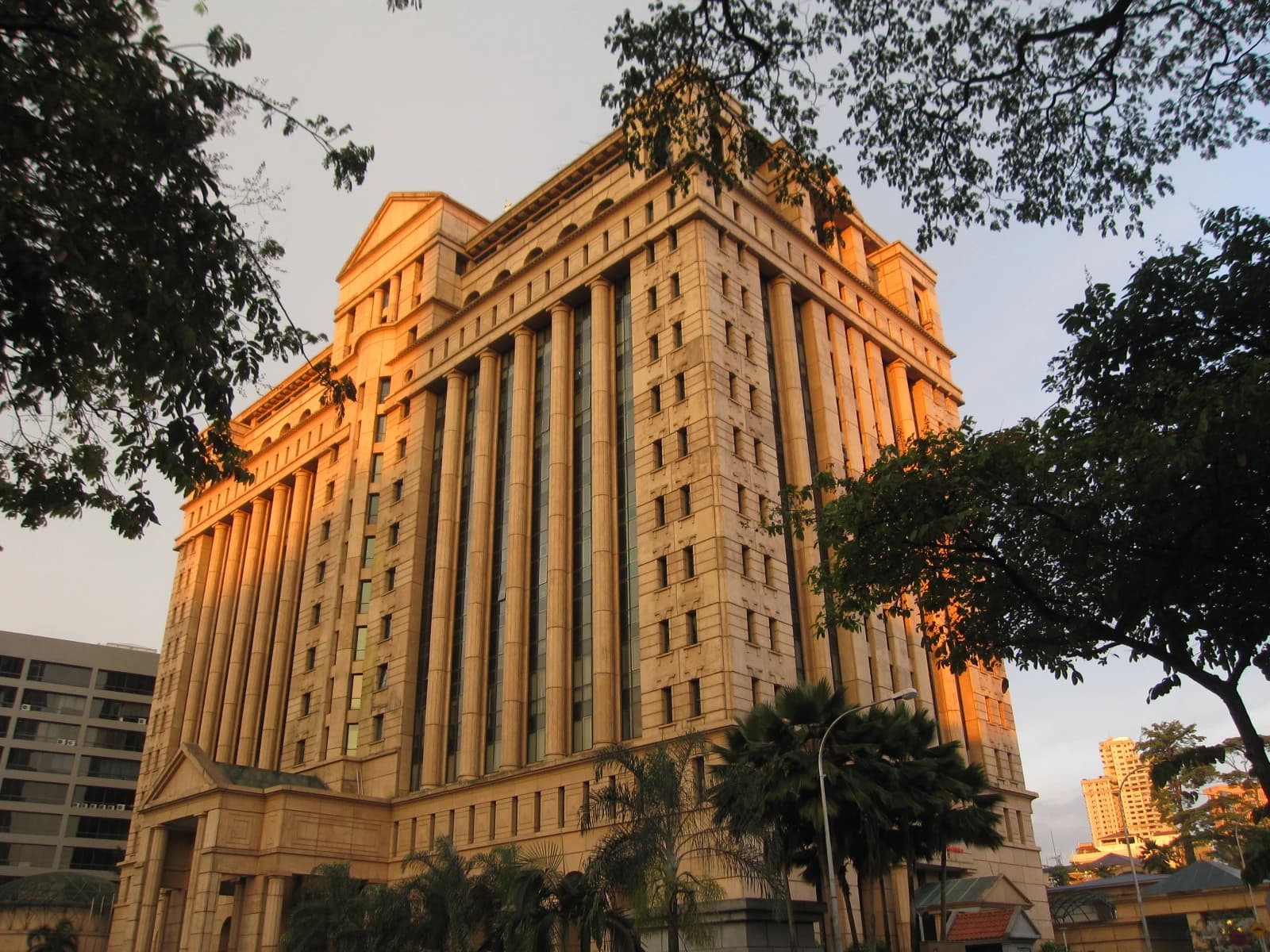
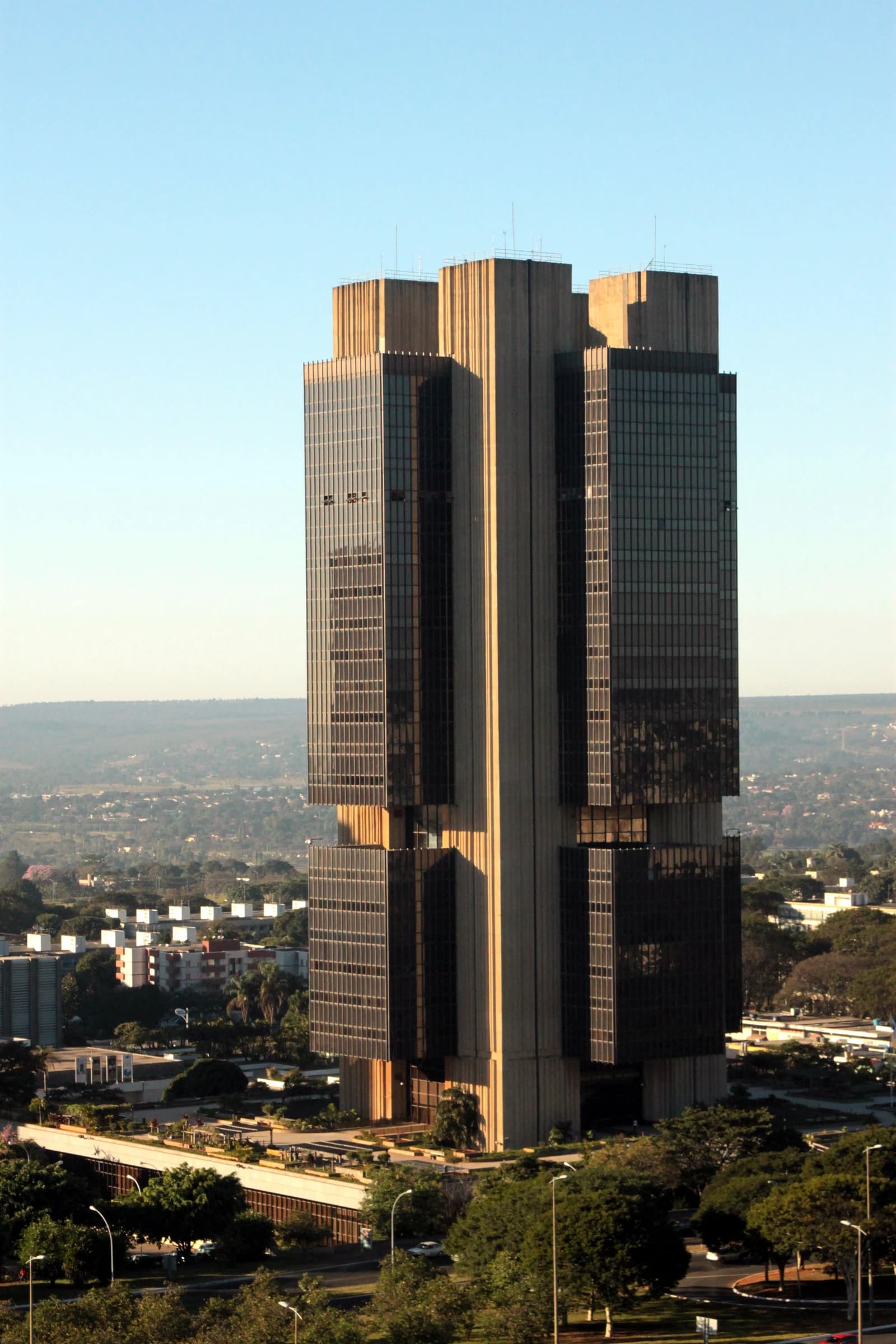
Malaysia’s central bank left its benchmark rate unchanged at 2.75% for a seventh straight meeting on Thursday, reinforcing a wait-and-see stance as inflation stays contained and growth remains solid.
Malaysia Holds Rate at 2.75% for Seventh Meeting
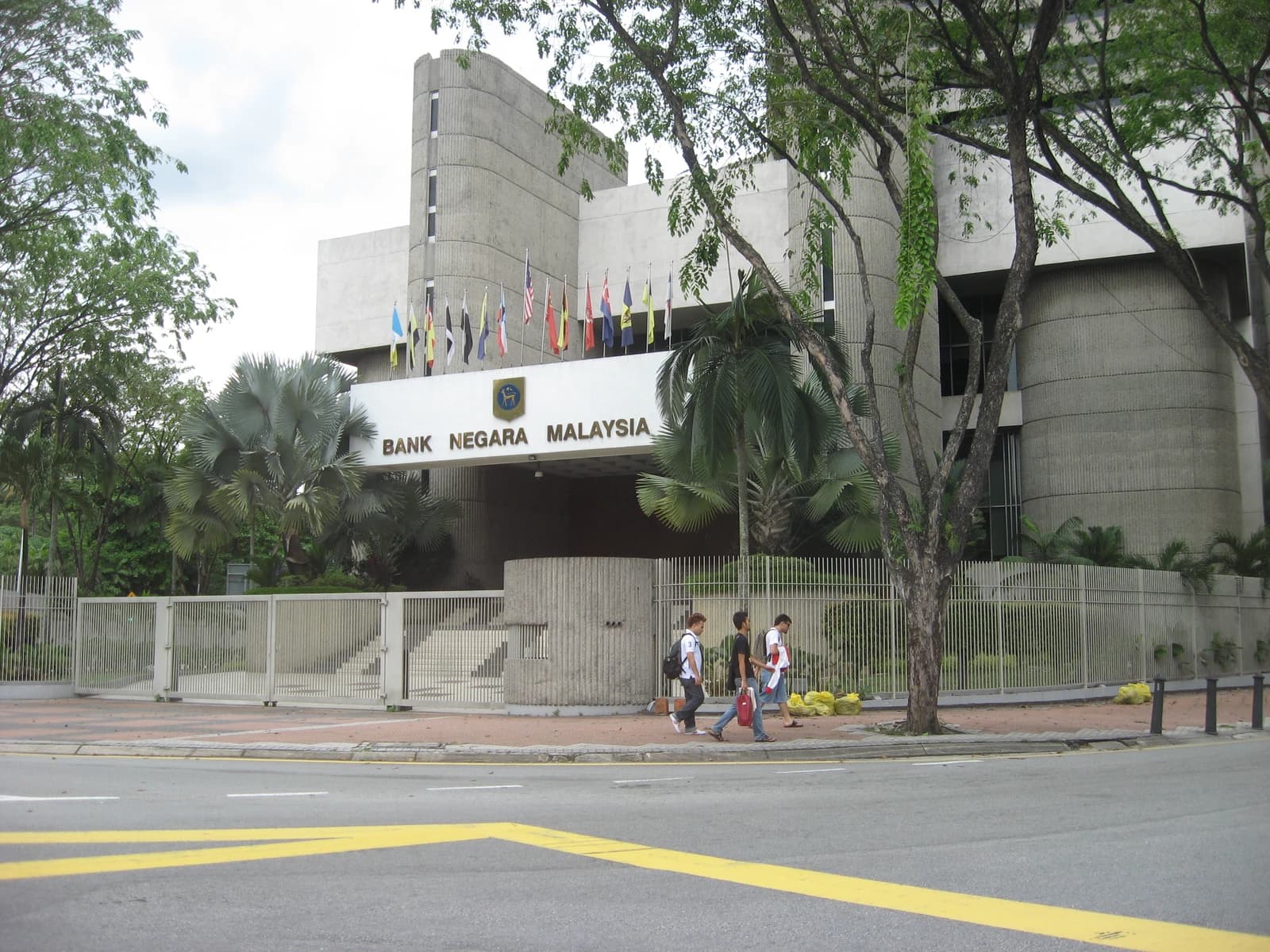
Bank Negara Malaysia said the overnight policy rate is still consistent with “continued price stability and sustainable economic growth,” signaling no urgency to ease further after its first cut in five years in July, when it trimmed rates by a quarter point. For investors, the hold suggests policymakers see enough resilience in domestic demand and enough restraint in price pressures to avoid another immediate move.
Sentiment IndicatorsⓘProprietary · adalytica.com · September 3, 2026
This is a snapshot — live sentiment, awareness and momentum for 130+ markets update continuously in the dashboard.Open AlphaPulse

Inflation has been a key reason the central bank can stand pat. Headline and core inflation averaged 1.8% and 2% in the first seven months of the year, while policymakers said higher costs have not fully passed through to consumers because of domestic policy measures and stable demand conditions.
The decision also comes with the economy still projected to grow about 5% this year, a pace that gives the bank room to avoid stimulating further. Bank Negara said Malaysia’s sound fundamentals should keep growth resilient into 2027, even as external conditions remain a risk for trade, the currency and regional markets.
The ringgit was last near 4.04 per U.S. dollar, while the iShares MSCI Malaysia ETF, EWM, has climbed to 28.28, showing investors have already been positioning for steadier policy rather than an aggressive easing cycle. The move also matters for borrowers and banks: a longer pause keeps financing costs stable for households and businesses, while limiting pressure on lenders’ net interest margins.
The next catalyst is the pace of inflation and any signs that external weakness is feeding into wages or domestic demand. If price growth stays subdued and growth holds up, the central bank has room to stay on hold longer; if exports or consumer activity slow, expectations for another cut could build.
| Entity | Gains | Losses |
|---|---|---|
| Malaysia borrowers | ▲stable financing costs | ▼no fresh rate relief |
| Malaysian banks | ▲steadier margins | ▼weaker loan-growth boost |
| Ringgit | ▲policy credibility | ▼upside from easier policy |
| EWM holders | ▲policy stability | ▼delayed monetary support |