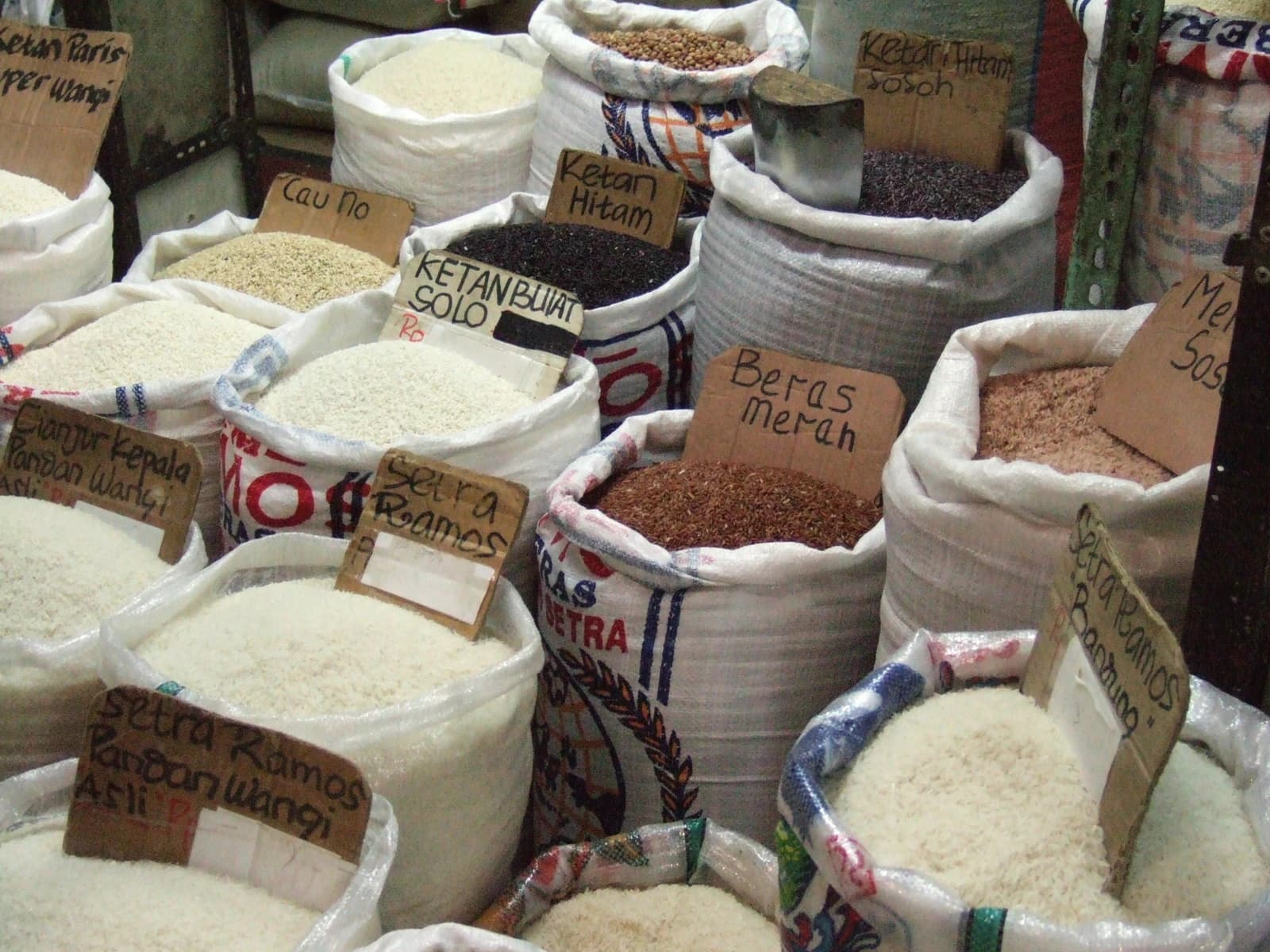
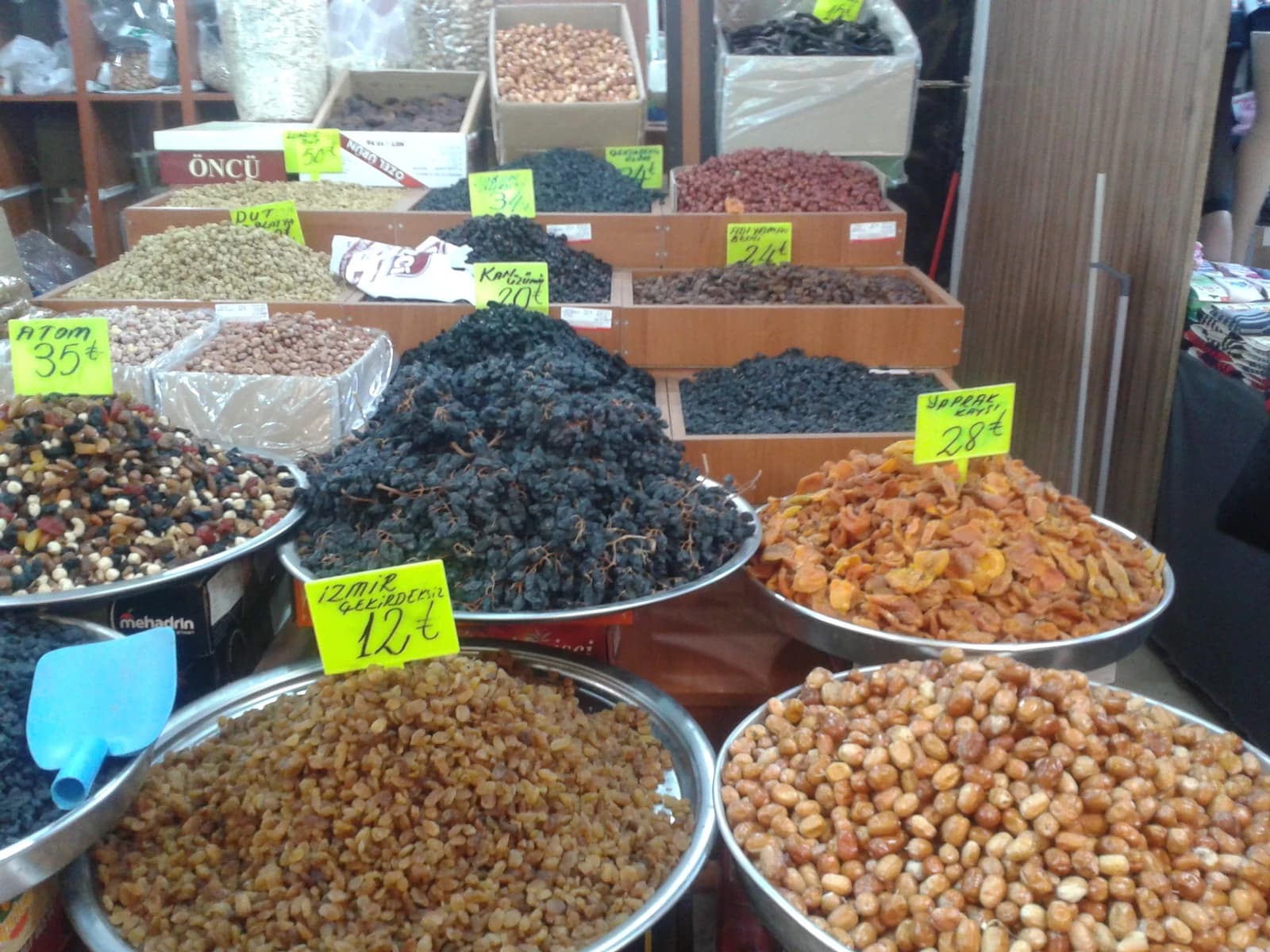
Indonesia’s raw chili prices have surged to Rp95,800 per kilogram, and Trade Minister Budi Santoso says the spike is being driven by hot weather that is squeezing supply in the domestic food market.
Indonesia raw chili prices hit Rp95,800 per kg
The jump matters because chili is a daily staple in Indonesian kitchens and a highly visible gauge of food inflation. When a basic ingredient gets this expensive, it quickly feeds into household spending pressure, especially for lower-income consumers that have less room to absorb higher grocery bills.
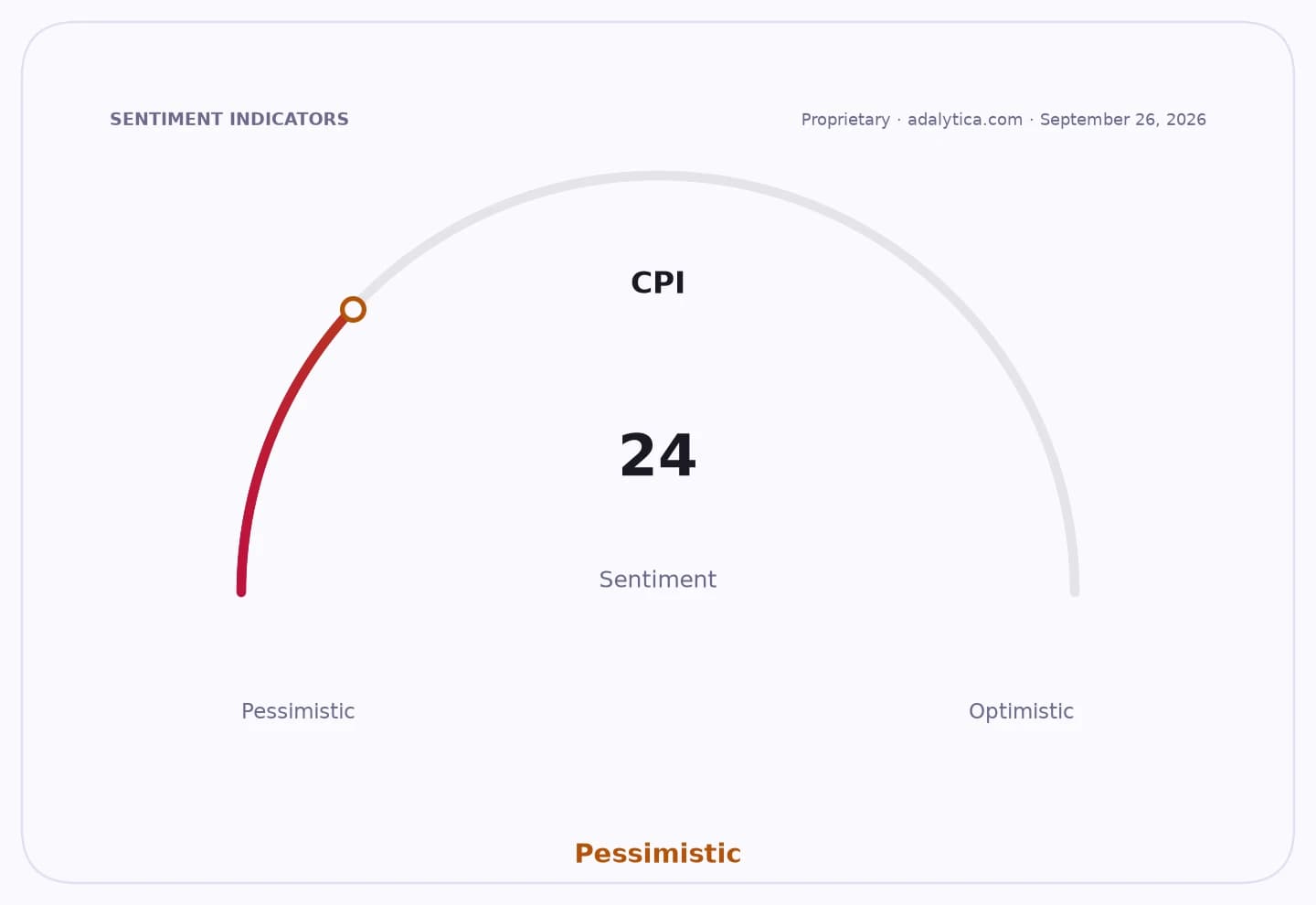
Sentiment IndicatorsⓘProprietary · adalytica.com · September 26, 2026
This is a snapshot — live sentiment, awareness and momentum for 130+ markets update continuously in the dashboard.Open AlphaPulse
Budi said the increase is not broad-based across all chili varieties. He said red chili and several other types remain normal, with some still below the government’s highest retail price ceiling, or HET, suggesting the shock is concentrated in raw chili rather than a systemwide food shortage.
The latest reading from Bank Indonesia’s Strategic Food Price Information Center shows raw chili near the psychologically important Rp100,000 threshold. The move comes as policymakers continue to monitor food prices alongside other staples, with Budi saying conditions at Pasar Prambanan remain under control.
For investors, the story is a reminder that weather-driven food inflation can reappear even when headline price pressures elsewhere look contained. Higher produce costs can complicate the policy backdrop, hit consumer purchasing power and raise risks for food makers, retailers and restaurant operators if the increase spreads beyond a single crop.
The key question now is whether the dry season eases and supply recovers fast enough to pull prices back, or whether the current spike becomes another short-term inflation flare-up that keeps food markets volatile into the next crop cycle.
| Entity | Gains | Losses |
|---|---|---|
| Chili farmers with harvestable supply | ▲Higher farmgate prices | ▼ |
| Indonesian consumers | ▲ | ▼Higher grocery bills |
| Food retailers and restaurants | ▲ | ▼Margin pressure if costs pass through slowly |
| Government policymakers | ▲Contained if spike stays isolated | ▼Credibility risk if food inflation broadens |