Indonesia’s food inflation pressure is back on display as sharp gains in chilies, rice, chicken and sugar squeeze household budgets and raise the odds that policymakers will have to keep a closer watch on consumer prices.
Indonesia food prices rise on chilies, rice and chicken

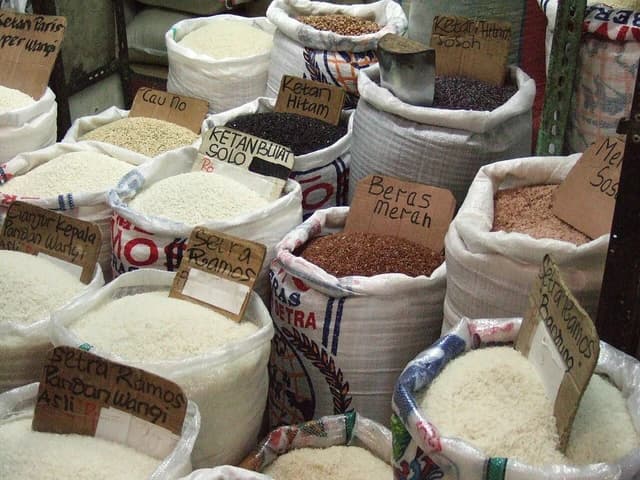
The biggest move came from curly red chilies, which surged 17.74% to an average Rp73,350 per kilogram in traditional markets, according to Bank Indonesia’s PIHPS price monitor. Red bird’s-eye chilies also climbed 4.16% to Rp93,800, while fresh chicken rose 4.35% to Rp44,350 and premium sugar gained 6.39% to Rp21,650. Rice was mixed, but lower-grade varieties rose, with low-quality rice I up 2.68% to Rp15,300 and low-quality rice II up 2.72% to Rp15,100.
That matters because food is still one of the fastest ways inflation gets into the broader economy. When staples such as chilies, rice and poultry jump at the same time, the pressure is not confined to one market stall. It works its way into transport costs, restaurant pricing and wage expectations, especially in a country where food spending takes a large share of household income. The result is a direct hit to real purchasing power and a potential drag on private consumption.
The pattern also shows how uneven supply conditions remain. Some items moved lower — red large chilies fell 20.29% and green bird’s-eye chilies dropped 18.3% — but the offset was not enough to calm the overall basket. Several rice grades also slipped, including medium and premium varieties, yet the rise in cheaper rice suggests demand remains sensitive at the lower end of the market. That mix is important for investors because it points to persistent volatility in basic inputs rather than a clean easing in food prices.
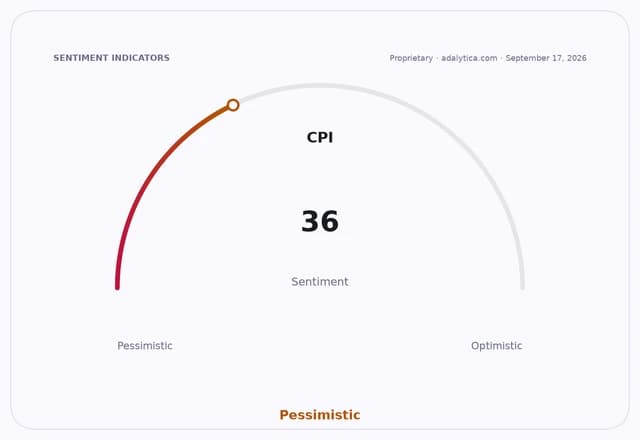
The macro backdrop makes the move more relevant. Recent inflation readings have already shown food and beverages contributing to price pressure, and persistent wholesale inflation suggests the cost shock is still flowing through the system. In practice, that keeps the spotlight on Bank Indonesia and on consumer-facing companies that must decide how much of the cost increase they can pass on without damaging volume.
For investors, the story is less about one bad weekly print than about the next round of second-order effects. Higher food costs can support pricing power for packaged-food, poultry and grocery retailers with scale, but they also squeeze margin-sensitive operators and weaken discretionary spending. Traders should watch agribusiness names, staples producers and consumer stocks tied to volume growth, because the winners in an inflationary food cycle are usually the firms with strong procurement, hedging and distribution advantages.
My thesis is that the market underestimates how durable food-price shocks can be once they hit rice, chilies and protein at the same time. If this pattern persists, it strengthens the case for selective positioning in defensive consumer names, while punishing businesses that depend on low-income households’ ability to absorb higher basket costs. In a country where food inflation can move sentiment fast, investors should treat this as an early warning, not a one-day data point.
| Entity | Gains | Losses |
|---|---|---|
| Food producers with pricing power | ▲Higher selling prices | ▼Margin compression risk |
| Grocery and staple retailers | ▲Traffic from essentials demand | ▼Lower basket affordability |
| Consumers, especially lower-income households | ▲None | ▼Real purchasing power |
| Bank Indonesia / policymakers | ▲More urgency to monitor inflation | ▼Less room for complacency |