Cimin raisin prices in Erzincan have been cut in half as the harvest picks up, underscoring how quickly fresh supply can cool a locally tight market and ease pressure on consumers at a time when food prices remain under scrutiny.
Erzincan cimin raisin prices fall 50% at harvest
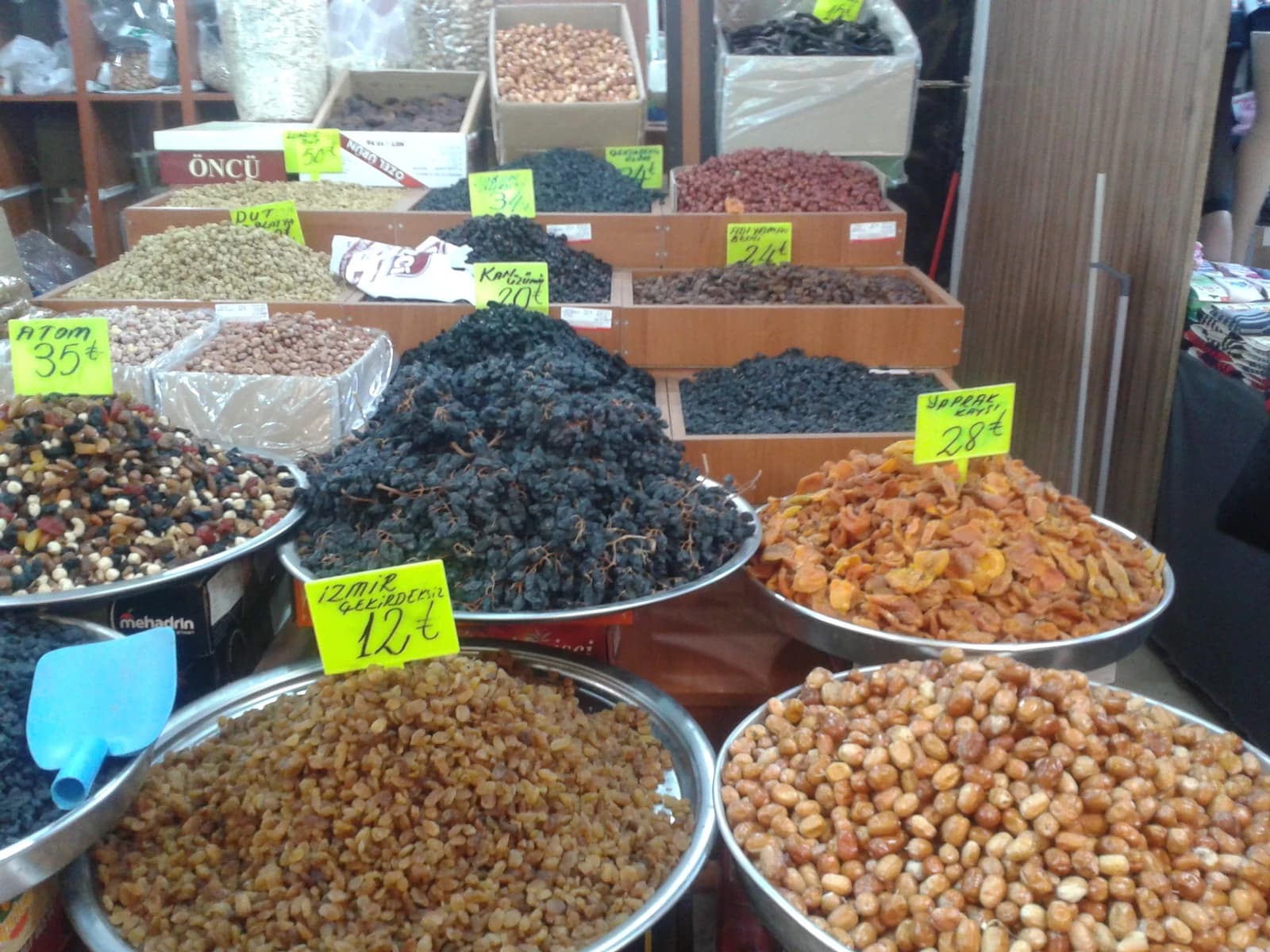
The kilogram price of the geographically protected grape fell from 150 lira to 75 lira once picking began in Üzümlü district and nearby villages, where dawn harvests have pushed more fruit onto market stalls. For shoppers, that is an immediate win. For farmers and traders, it is a reminder that seasonal supply swings still drive pricing power in Turkey’s fresh produce market, even as broader inflation and anti-gouging measures keep authorities focused on food costs.
Sentiment IndicatorsⓘProprietary · adalytica.com · September 28, 2026
This is a snapshot — live sentiment, awareness and momentum for 130+ markets update continuously in the dashboard.Open AlphaPulse
The move matters beyond one regional crop because fruit and vegetable inflation has become a sensitive macro issue. Recent crackdowns on suspected price manipulation and the broader fight against food inflation have made every harvest a test of market discipline. When a product known for its taste and perceived health benefits can fall 50% in price within the opening stretch of the season, it signals that supply is finally catching up with demand — at least temporarily.
That dynamic is important for investors watching the consumer and grocery complex. Lower produce prices can take some pressure off household budgets and improve sentiment around food spending, but they can also compress margins for middlemen who were benefiting from scarcity pricing. In the food chain, the winners are farmers with volume and retailers able to turn stock quickly; the losers are sellers who relied on tight supply to support higher markups.
The bigger story is that agricultural pricing in Turkey remains highly seasonal, highly local and highly political. When harvest flows improve, prices can reset fast. That makes food distribution, cold storage, transport and market access the real battlegrounds — the toll roads of the fresh-food economy. For investors, the message is to watch not just headline inflation, but who controls the logistics and shelf space when supply surges. The next move in prices will depend on how quickly this harvest is absorbed, and whether similar abundance spreads to other crops before consumer demand or policy intervention steps back in.
| Entity | Gains | Losses |
|---|---|---|
| Consumers | ▲Lower food bills | ▼None |
| Cimin raisin growers with volume | ▲Faster sales | ▼Lower unit prices |
| Traders/market sellers | ▲Higher foot traffic | ▼Lower markup margins |
| Inflation watchdogs | ▲Easier price stabilization | ▼Less urgency for price relief narrative |