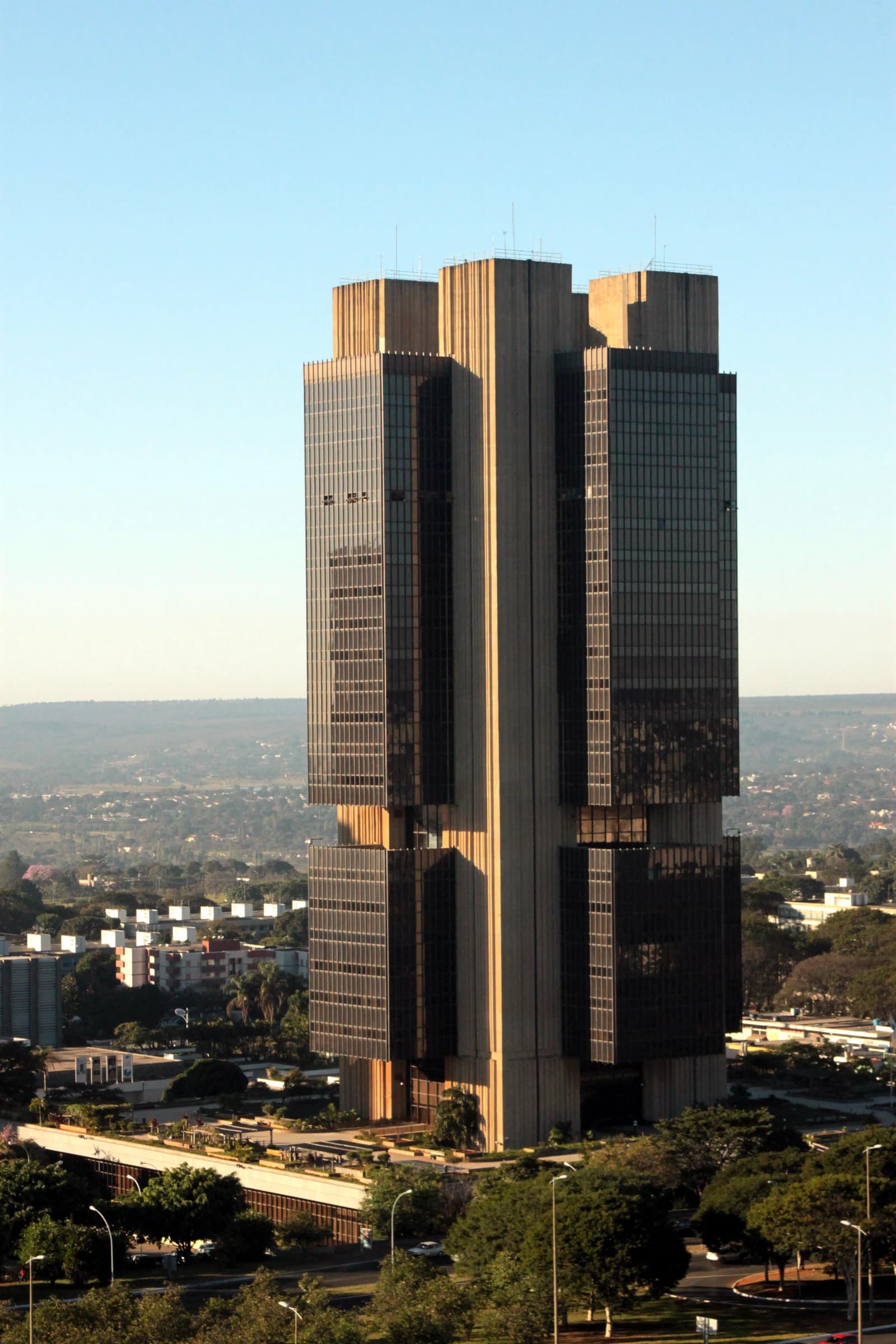
Brazil’s central bank now says there is a 90% chance inflation will finish 2026 above the top of its 4.5% target band, a sharp sign that price pressures are proving more persistent than policymakers hoped and that interest rates may have to stay restrictive for longer.
Brazil Central Bank Raises 2026 Inflation Risk
The move from a 79% probability in the bank’s latest monetary policy report underscores a worsening inflation outlook at a time when the economy is already slowing. For markets, that means the easing cycle may be shallower and more delayed than previously expected, with real rates likely to remain elevated into 2027 as the central bank tries to pull inflation back toward the 3% midpoint.
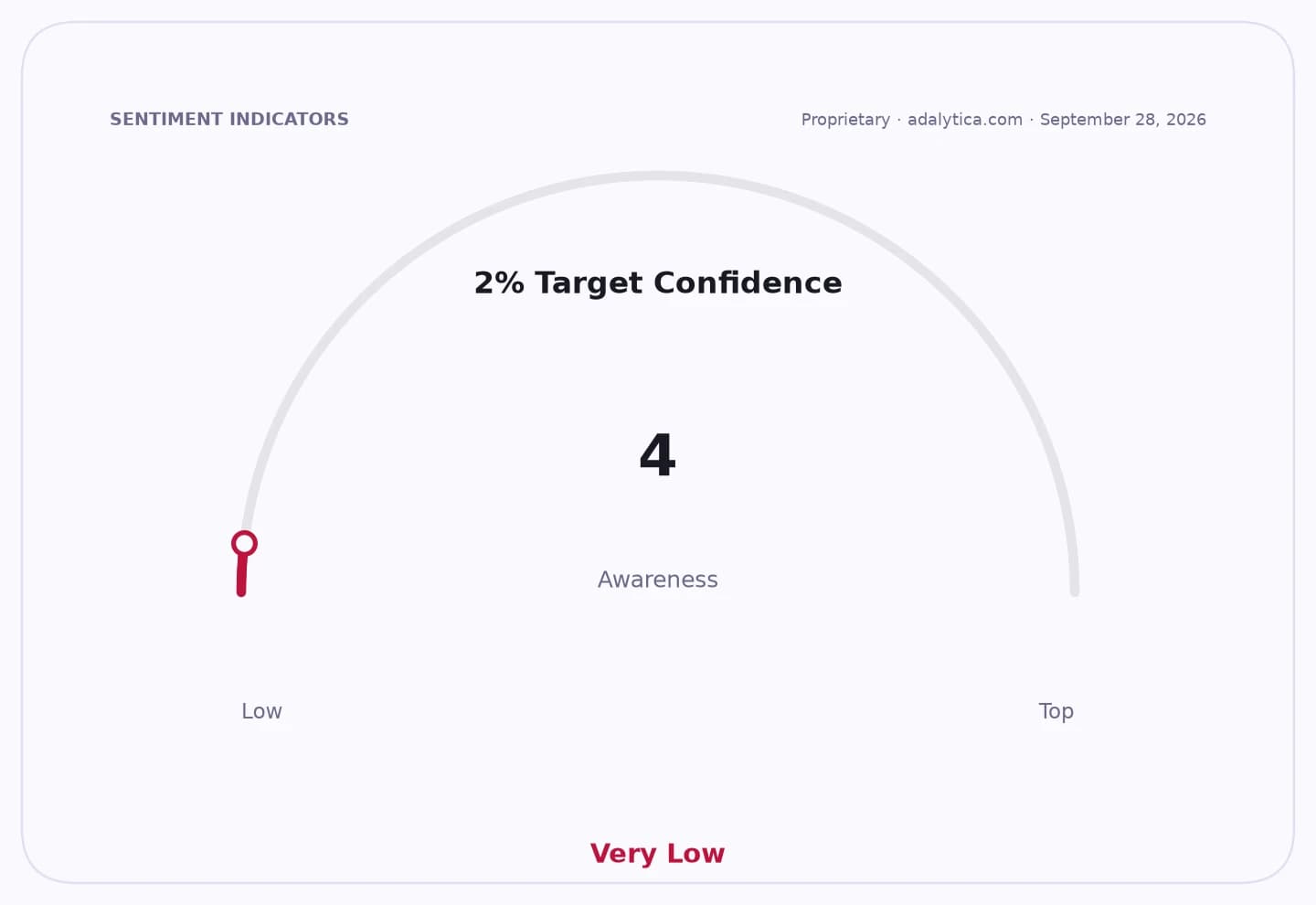
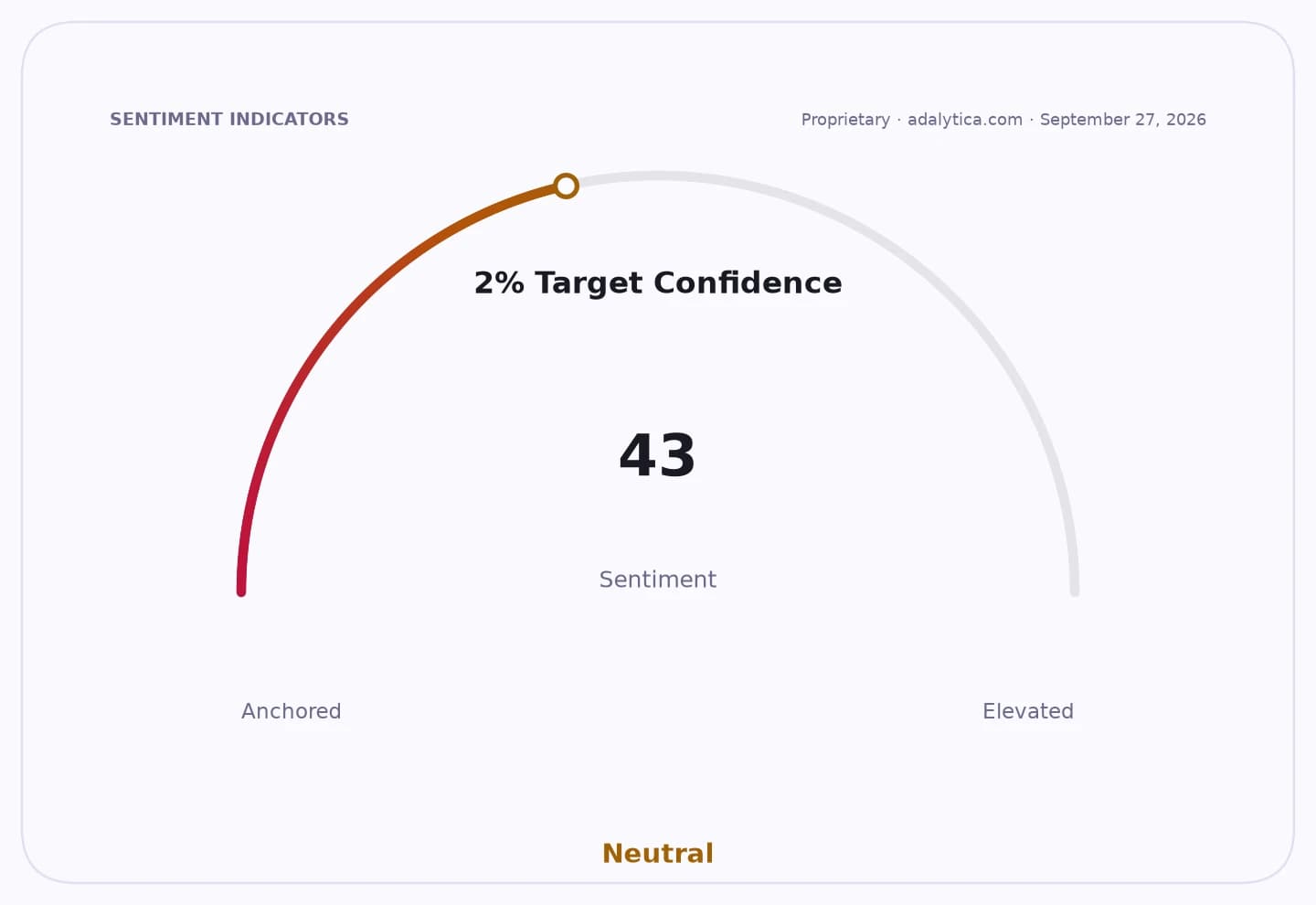
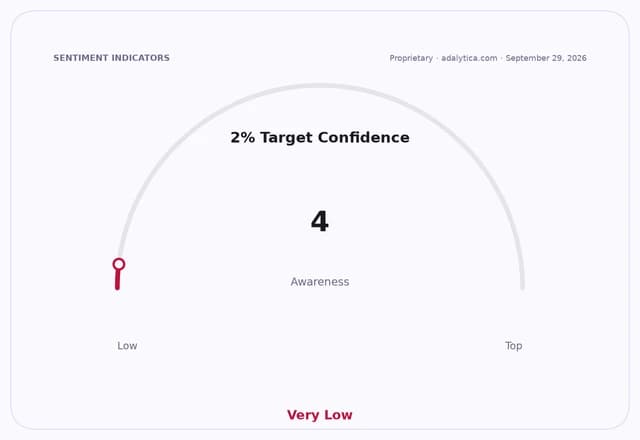
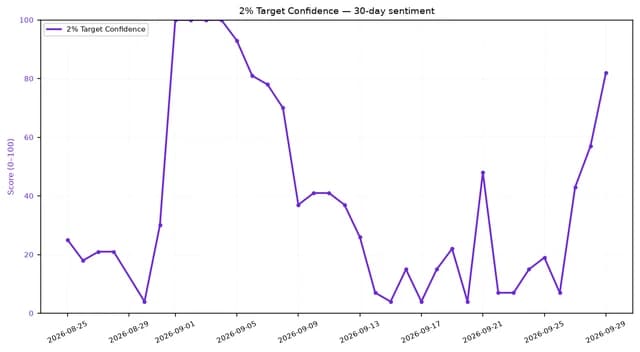
Sentiment IndicatorsⓘProprietary · adalytica.com · September 29, 2026
This is a snapshot — live sentiment, awareness and momentum for 130+ markets update continuously in the dashboard.Open AlphaPulse
The bank also kept the probability of inflation falling below the 1.5% floor at zero for 2026, reinforcing the view that the immediate risk is not disinflation but stubbornly high prices. That matters because Brazil’s new continuous inflation-targeting framework judges success on a 12-month IPCA reading over time; if the index stays outside the 1.5%-to-4.5% tolerance band for six straight months, the central bank is deemed to have missed its target.
The warning comes after the target was breached for the first time under the new framework last year, when 12-month inflation stayed above the ceiling for six consecutive months. In a letter to the finance minister at the time, the central bank said it expected inflation to fall back below the ceiling only by the end of the first quarter of 2026. The latest assessment suggests that path is now more difficult.
For investors, the implication is straightforward: Brazil’s policy rate may need to remain high for longer to re-anchor expectations. That is supportive for the real and for local fixed income in the near term, but it is a headwind for credit, consumer demand and rate-sensitive sectors. It also raises the cost of capital for companies already dealing with softer growth and higher debt-service burdens.
The central bank’s more cautious inflation view aligns with a broader picture of slowing activity rather than overheating demand. Recent data have shown labor market resilience, but also rising household defaults and a worsening fiscal backdrop. Santander Brasil has already told investors it expects the Selic rate to end 2026 at 13.75% and 2027 at 12.75%, reflecting a slower normalization path.
The bank’s updated probabilities for later years are mixed. For 2027, the chance of inflation ending above the ceiling was raised to 33% from 28%, while the likelihood of running below the floor was trimmed to 4% from 6%. For 2028, the odds of overshooting stayed at 16%, with the chance of undershooting unchanged at 12%. That suggests the inflation problem is not being solved quickly, even if the medium-term trajectory remains better than the near-term one.
Brazilian assets have already been pricing in a tougher inflation and rate environment, and the latest central bank assessment supports that view. The key question for markets now is whether weaker growth eventually does enough to cool prices, or whether sticky inflation forces policymakers to keep financial conditions tight well into next year.
| Entity | Gains | Losses |
|---|---|---|
| Banco Central do Brasil | ▲credibility from caution | ▼room to cut rates |
| Brazilian real and local bonds | ▲support from higher rates | ▼risk from growth slowdown |
| Banks with rate income | ▲higher lending margins | ▼rising credit stress |
| Consumers and rate-sensitive sectors | ▲eventual disinflation if policy works | ▼higher borrowing costs |