South Africa’s inflation rate crept higher in August, but the bigger story for investors is that price pressures remained contained enough to keep the central bank’s tightening cycle close to done.
South Africa inflation rises to 4.4% in August
Headline consumer inflation rose to 4.4% year on year from 4.3% in July, the statistics agency said, a touch below economists’ 4.5% forecast. On a monthly basis, prices were flat after a 0.2% increase in July, a sign that inflation is not reaccelerating even as global supply shocks keep policymakers uneasy.
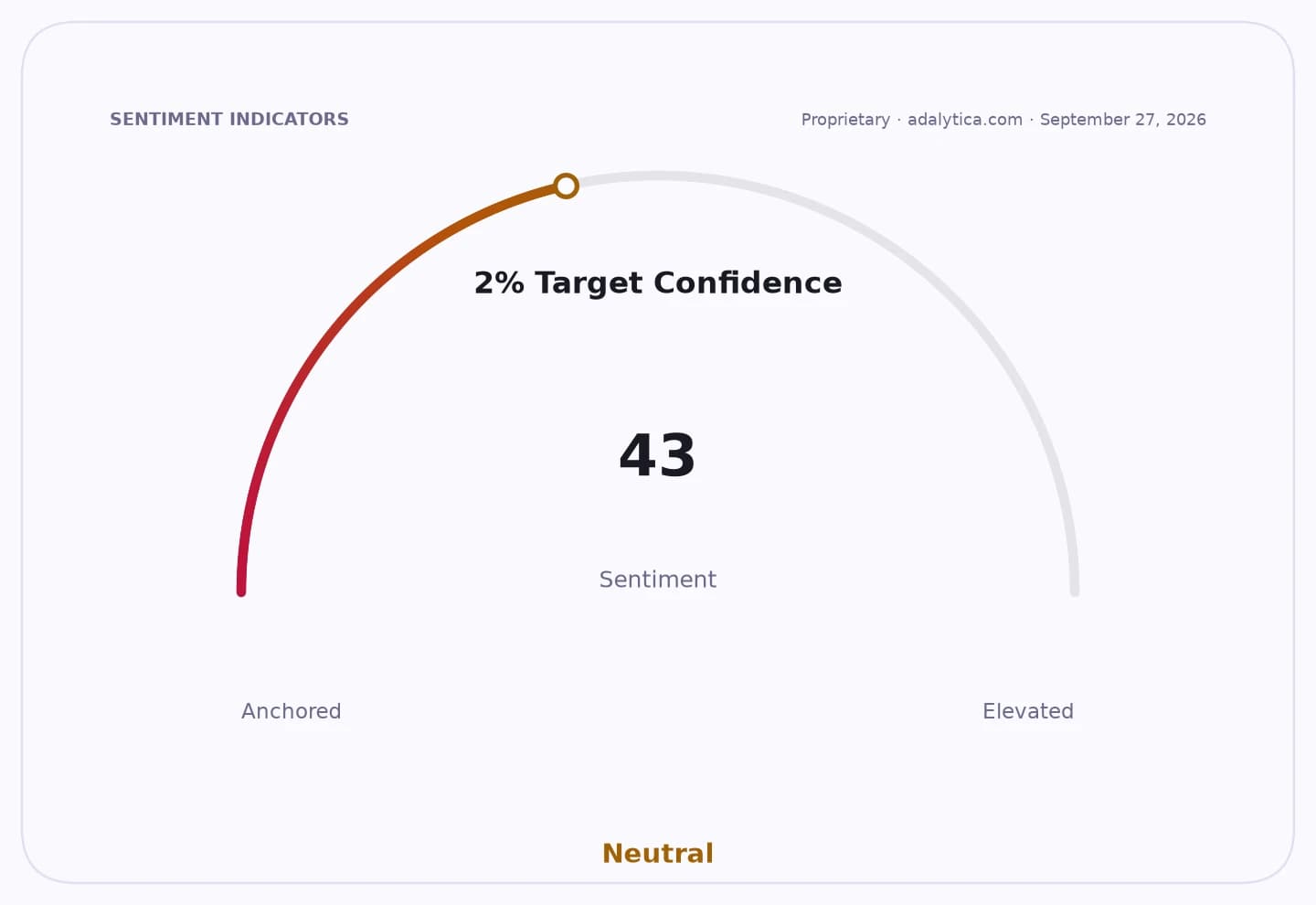
Sentiment IndicatorsⓘProprietary · adalytica.com · September 27, 2026
This is a snapshot — live sentiment, awareness and momentum for 130+ markets update continuously in the dashboard.Open AlphaPulse
That matters because inflation sitting in the mid-4% range is still above the Reserve Bank’s 3% target, but not so hot that it would force an aggressive new round of rate increases. In other words, South Africa is still fighting inflation, but it is no longer in the kind of fire zone that typically triggers major market disruption. For households and businesses, that keeps the pressure on borrowing costs and wage bargaining, but it also raises the odds that policy can stabilize rather than tighten further.
The central bank has already pushed its key rate to 7.25%, and the latest inflation print gives it room to pause if price growth continues to edge toward target. That is important for the real economy: a peak in rates would ease some of the strain on mortgage holders, retailers and debt-heavy companies, while helping to support consumption and credit demand over time.
Investors are likely to read the report through three lenses. First, South African bonds may find some support if markets conclude that further hikes are limited. Second, the rand could remain sensitive to any sign that inflation is becoming more stubborn, especially given the country’s exposure to imported fuel and food costs. Third, equity investors will keep watching whether a steadier rate outlook can improve sentiment toward domestically focused companies.
There is still a catch. The risk is not just local demand, but imported inflation from geopolitical shocks and commodity prices. That means South Africa’s inflation path will continue to depend on forces beyond Pretoria’s control, and any fresh supply disruption could quickly change the policy debate.
For long-term investors, the takeaway is simple: this is a market where patience matters more than prediction. If inflation keeps inching lower and rates have peaked, South African assets could regain some appeal on valuation and income grounds. That makes the latest CPI reading worth watching, not because it changes the story overnight, but because it reinforces the idea that the worst of the tightening cycle may already be behind the economy.
| Entity | Gains | Losses |
|---|---|---|
| South African households | ▲Lower pressure on borrowing costs | ▼Still-buoyant living costs |
| South African bonds | ▲Fewer rate-hike fears | ▼Upside limited by inflation risk |
| Domestic companies | ▲Better chance of a policy pause | ▼Margin pressure from higher costs |
| Reserve Bank hawks | ▲Credibility from vigilance | ▼Less case for more tightening |