Food prices in South Africa have started to climb again, ending an eight-month run of declines and reminding investors that inflation is rarely a straight line lower. That matters because even a small pickup in food costs can influence household spending, the broader inflation path and the South African Reserve Bank’s room to cut interest rates.
South Africa Food Inflation Rises to 1.1% in August
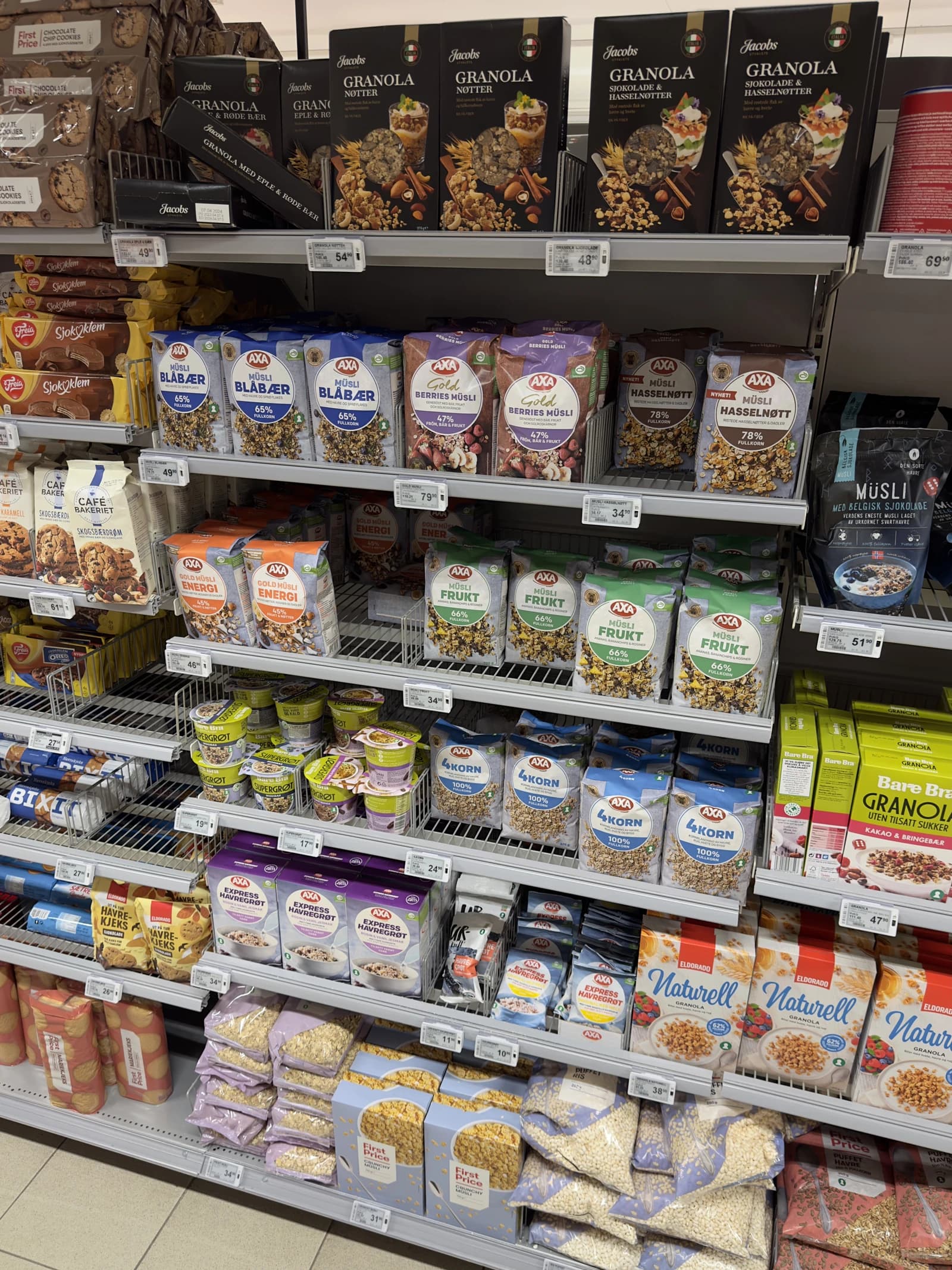
Food inflation rose to 1.1% in August from 0.9% in July, according to Statistics South Africa, while overall consumer inflation edged up to 4.4% from 4.3%. Month on month, prices were unchanged, so the move was driven by a firmer annual comparison rather than an abrupt new surge. Still, the details matter: fish and seafood led the increase, with hake 12% more expensive than a year earlier, frozen fish fingers up 11.3% and battered or crumbed fish rising 9.4%.
Sentiment IndicatorsⓘProprietary · adalytica.com · September 29, 2026
This is a snapshot — live sentiment, awareness and momentum for 130+ markets update continuously in the dashboard.Open AlphaPulse
Meat is also doing some of the heavy lifting. Pork prices climbed 6.6% year on year, ham and bacon were up 8.6%, and white bread rose 3.9%. That is enough to matter for consumers already feeling pressure from transport and fuel, even though some staples remained cheaper than a year earlier. Beef mince was 3.8% lower, stewing beef fell 5.3% and white rice dropped 10.8%.
For investors, the key question is whether this is a one-month wobble or the start of a broader reacceleration. The answer is important because food often feeds quickly into expectations, wage bargaining and central bank thinking. South Africa’s inflation backdrop is still far more benign than it was in the last cycle, but the latest reading will make policymakers cautious about easing too quickly.
That caution comes at a sensitive moment. The Reserve Bank’s Monetary Policy Committee was due to announce its latest rate decision on Wednesday, and the inflation mix gives it a reason to stay disciplined. Transport remains a major pressure point, with annual transport inflation at 8.8%, while fuel inflation was still running at 20%, even if petrol prices fell 2% on the month.
The bigger investing lesson is that food inflation tends to expose the sectors that win and lose from changing input costs. Retailers, food producers and distributors can all feel the squeeze if commodity prices rise faster than they can pass them on. Consumers, meanwhile, tend to trade down, which can favor value-oriented grocers and mass-market brands over premium names.
At the same time, the latest data does not look like a broad-based inflation shock. Health costs eased on the month, and several major food categories remain cheaper than a year ago. That suggests South Africa is not facing a fresh across-the-board price spiral, but rather a patchy rebound in a few essential items.
For long-term investors, that is the right lens. A single month does not rewrite the inflation story, but it can shape near-term policy and sentiment. Keep watching the Reserve Bank’s tone, fuel costs and the next few food prints. If food inflation keeps edging higher, it could slow the pace of rate relief. If it fades again, the disinflation story remains intact and consumer-sensitive businesses could stay on steadier footing.
| Entity | Gains | Losses |
|---|---|---|
| South African consumers | ▲Lower prices on some staples | ▼Higher bills for fish and meat |
| Reserve Bank | ▲Clearer inflation credibility | ▼Less room for quick rate cuts |
| Food retailers | ▲Value-shopping traffic | ▼Margin pressure on pricier items |
| Food producers | ▲Pricing power in select categories | ▼Demand shifts toward cheaper substitutes |