Mexico’s inflation quickened 0.20% in August from July, but the bigger market signal is that annual price growth held at a moderate 3.26%, keeping pressure on the central bank to balance sticky food inflation against weaker disinflation in energy and some staples.
Mexico inflation holds at 3.26% in August

The reading from the national statistics agency came in below the 3.57% annual rate recorded a year earlier and leaves consumer prices near the middle of Banxico’s target range, suggesting the broader inflation pulse remains contained even as pockets of food volatility persist. That matters for households because food still drives day-to-day spending, and for investors because it shapes the path for interest rates, bonds and the peso.
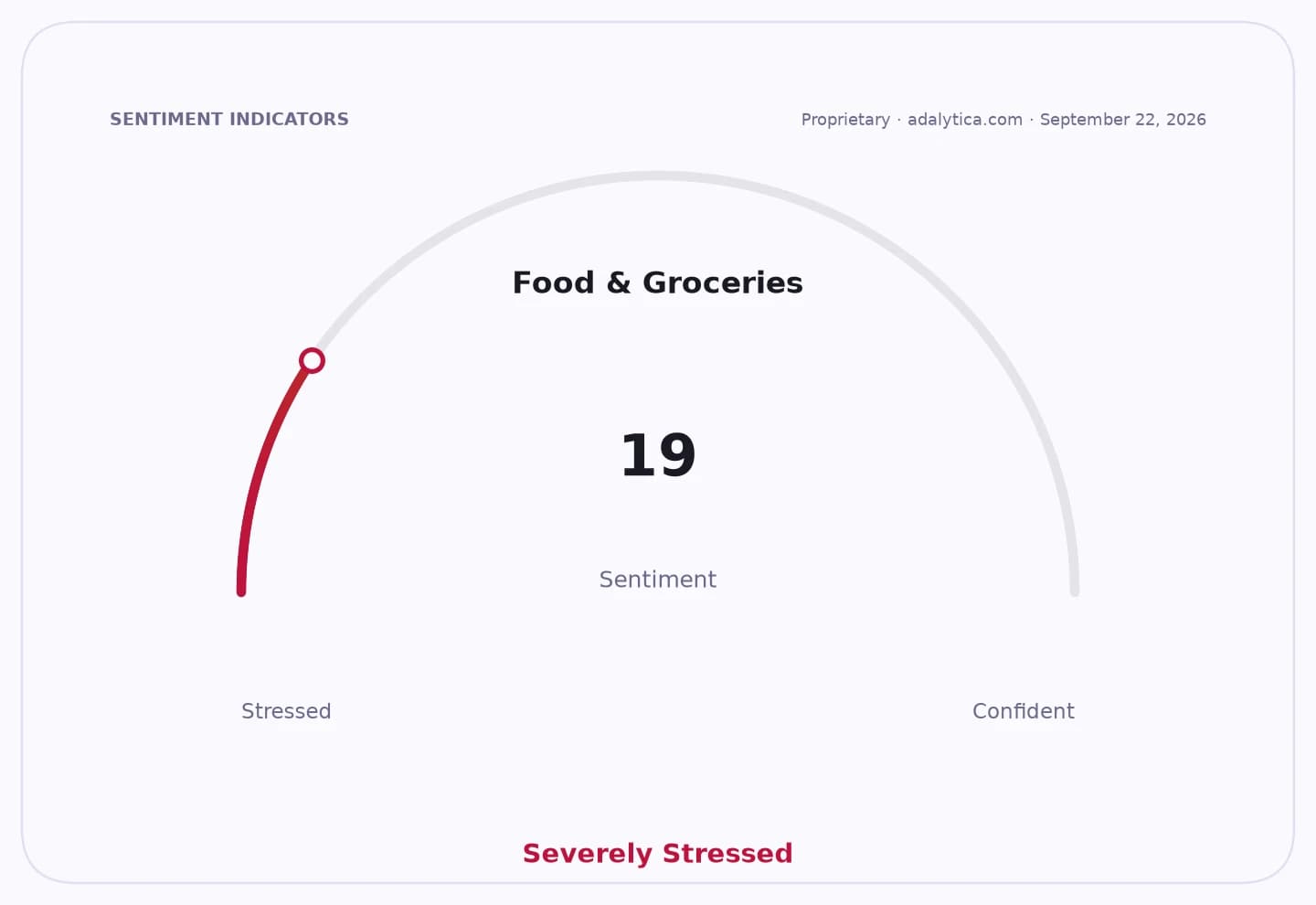
Sentiment IndicatorsⓘProprietary · adalytica.com · September 11, 2026
This is a snapshot — live sentiment, awareness and momentum for 130+ markets update continuously in the dashboard.Open AlphaPulse

The biggest increases were concentrated in fresh produce and protein. Onion prices surged 32.70% in the month, while eggs rose 8.91%, serrano chiles climbed 19.61% and lemons gained 11.17%. Those moves helped lift food and non-alcoholic beverages by 0.36% in August, underscoring how weather, supply disruptions and seasonal swings keep food inflation volatile.
Offsetting some of that pressure, potatoes and other tubers fell 10.66%, LP gas dropped 2.20%, avocados slid 6.71% and airfares fell 5.23%. The retreat in energy and some transport costs helped keep the headline print from accelerating further, while the non-core component rose 0.36% on the month.

Underlying inflation, watched closely by Banxico, rose 0.16% month-on-month, with services up 0.21% and merchandise 0.11%. The core annual rate stood at 3.88%, above headline inflation and still signaling that the central bank is likely to stay cautious on any aggressive easing.
For investors, the mix is important: softer headline inflation supports fixed-income sentiment and can ease pressure on long-duration assets, but firmer core services and food spikes argue against assuming a rapid rate-cut cycle. Food-related spending sentiment remains fragile, and the latest price swings also reinforce the earnings risk for consumer staples, retailers and restaurant operators facing uneven input-cost trends.
The next key test for markets is whether food prices normalize in September and whether Banxico sees enough progress in core inflation to extend its policy easing path.
| Entity | Gains | Losses |
|---|---|---|
| Mexican households | ▲Lower LP gas and some staples | ▼Higher food bills from onions and eggs |
| Banxico | ▲Headline inflation near target | ▼Pressure from sticky core and services |
| Consumer staples retailers | ▲Stable overall inflation backdrop | ▼Margin strain from food volatility |
| Consumers of potatoes/livestock inputs | ▲Cheaper produce and fuel | ▼Higher costs for egg- and onion-heavy baskets |