South Africa’s central bank is poised to raise interest rates again on Wednesday, with economists saying a 25-basis-point hike is now the market’s base case as surging oil prices, a weaker rand and hotter inflation risks force the Reserve Bank to defend its credibility.
South Africa central bank set for rate hike
That matters because this is no longer a close call about domestic growth versus inflation. It is a test of whether the South African Reserve Bank is willing to tighten policy into a weakening economy to prevent imported price shocks from becoming entrenched. With global oil around $100 a barrel, local fuel prices heading toward record highs and August CPI expected to print at 5%, the case for waiting has narrowed sharply.
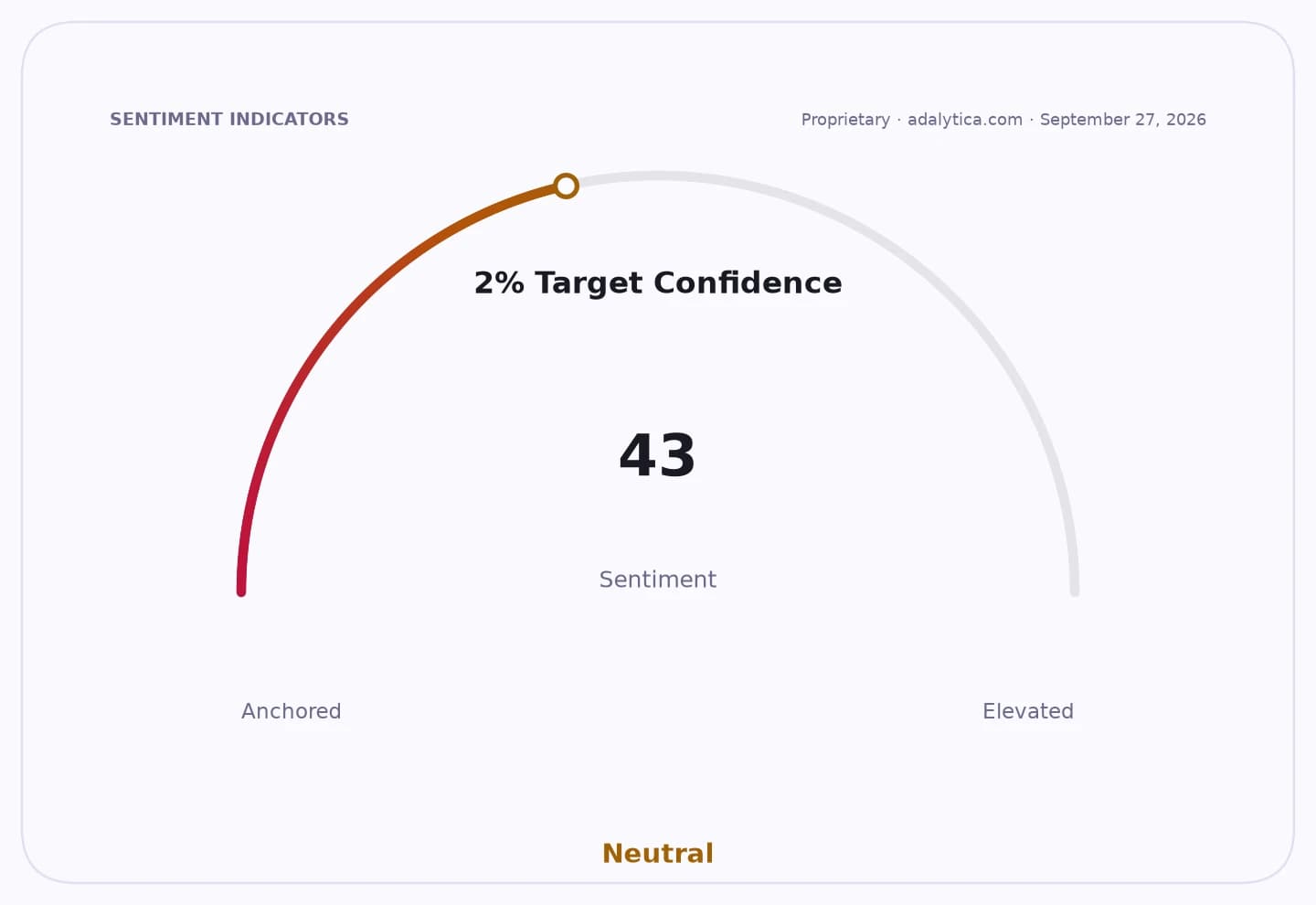
Sentiment IndicatorsⓘProprietary · adalytica.com · September 27, 2026
This is a snapshot — live sentiment, awareness and momentum for 130+ markets update continuously in the dashboard.Open AlphaPulse

The backdrop has changed materially since the MPC’s surprise hold in July, when a 4-2 vote kept the repo rate at 7%. At the time, markets were leaning toward a hike, but the committee chose to look through the initial burst of energy-driven inflation pressure. Since then, the Iran conflict has escalated, global energy supplies have come under further strain and South Africa’s own data have softened, with unemployment at 33.6% and second-quarter GDP contracting 0.2%.
For investors, the key issue is not just the rate decision itself but what it says about the path for the rand, local bond yields and South African equities. The gap between the repo rate and the U.S. fed funds rate has narrowed to 275 basis points, making the currency more vulnerable if the SARB appears too passive. That is why lenders and macro strategists broadly expect the bank to act now rather than risk a larger move later. Bank of America is among those looking for hikes in both September and November, while some still see November as the more likely timing for the final increase.
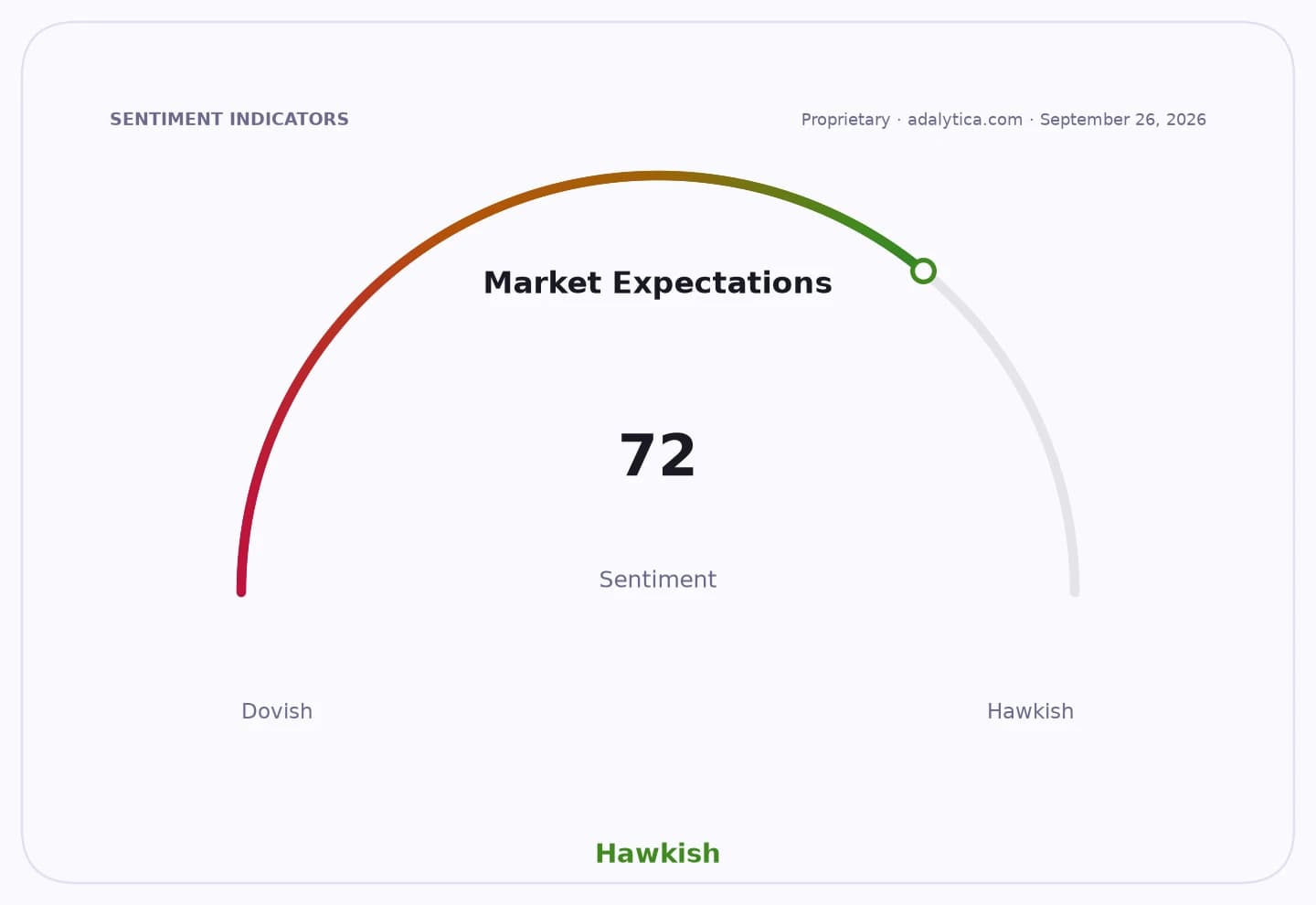
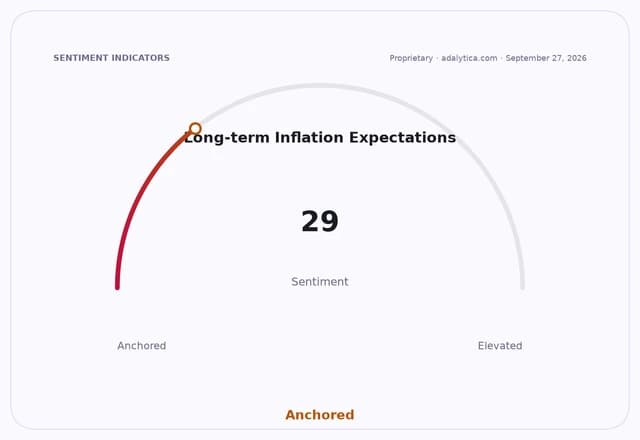
Long-term Inflation Expectations — 30-day sentimentadalytica.com
Explore this data interactively — full history, time series and cross-market comparisons.Open AlphaPulse
A hike would reinforce the view that South Africa is prioritizing inflation credibility at a moment when the external shock is still feeding through the system. The Reserve Bank will also have to weigh the Fed’s 25-basis-point move last week, which keeps global policy conditions tighter and leaves little room for emerging-market central banks to diverge if their currencies are under pressure.
The market already seems to be positioning for that outcome. The South Africa-focused EZA ETF has retreated from recent highs, with its 50-day moving average still above the current price, while the broader EEM-style risk backdrop remains sensitive to dollar strength and higher real rates. If the SARB hikes and signals more tightening ahead, it should help stabilize the rand and support local bond pricing. If it surprises with another hold, the immediate risk is a renewed selloff in the currency and a harder repricing of rate expectations into November.
My view is that the market underestimates how determined the SARB is likely to be in the face of a persistent energy shock. This is the kind of policy moment when central banks choose credibility first and growth second. That makes South African short-duration assets, rate-sensitive banks and exporters the most interesting trade-off from here. If the bank delivers the expected hike, the next move for investors will be watching whether this is the last step in the cycle or the start of a longer defense against imported inflation.
| Entity | Gains | Losses |
|---|---|---|
| SARB | ▲Inflation credibility | ▼Growth-sensitive borrowers |
| Rand | ▲Policy support | ▼Importers |
| South African banks | ▲Wider rate margins | ▼Rate-hike holdouts |
| Local bondholders | ▲Clarity on policy path | ▼Hold scenario hedgers |