South Africa’s central bank raised its benchmark interest rate by 25 basis points and warned that rising fuel costs could keep inflation above 5% later this year and into early 2027, even as the economy has already contracted.
South Africa central bank raises rates to 7.25%

The unanimous decision by the South African Reserve Bank’s Monetary Policy Committee lifts the repo rate to 7.25% and the prime lending rate to 10.75%, tightening financial conditions at a time when growth is already under strain. Governor Lesetja Kganyago said the economy shrank 0.2% in the second quarter and that shocks, especially from energy, are weighing on activity.
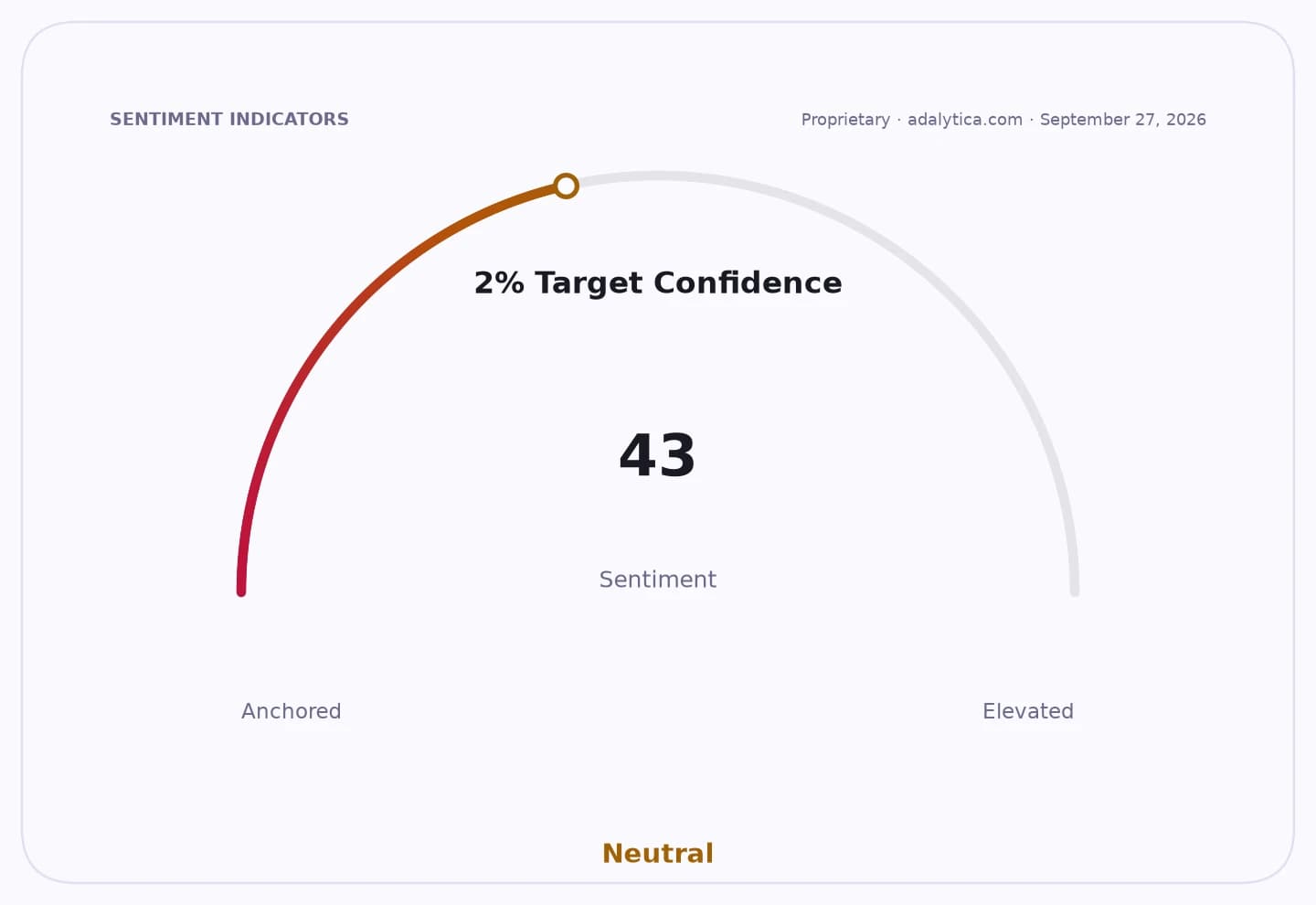
Sentiment IndicatorsⓘProprietary · adalytica.com · September 29, 2026
This is a snapshot — live sentiment, awareness and momentum for 130+ markets update continuously in the dashboard.Open AlphaPulse

The move was widely expected by economists, limiting the immediate market surprise. But it matters because it confirms the SARB is still prioritizing inflation control over near-term growth support, even as it acknowledges that downside risks to output are increasing.
Kganyago said the bank is looking through the first round of price shocks, but not the second-round effects that can turn temporary fuel spikes into broader inflation. Petrol prices have started rising again after easing between June and August, and the SARB said headline inflation will likely stay above 5% later this year and early next year before easing back toward 3% by late 2027.
For investors, the decision reinforces a higher-for-longer rate backdrop for South African borrowers and rate-sensitive sectors. The tightening raises funding costs for households and companies, but it also supports the rand by keeping policy relatively restrictive, helping contain imported inflation.
The central bank still expects annual growth of 1.2% this year and 2% over the medium term, though it says risks remain tilted to the downside. Its quarterly projection model now points to policy rates staying broadly stable for the rest of the year, with cuts only later in the forecast period if inflation falls back toward target.
South African assets were already under pressure ahead of the meeting, with the market facing weaker growth data and renewed inflation concerns. The next MPC meeting in November will show whether the bank is prepared to hold rates steady or whether fuel-driven inflation forces another move.
| Entity | Gains | Losses |
|---|---|---|
| South African Reserve Bank | ▲Inflation credibility | ▼Growth support |
| Savers and lenders | ▲Higher returns | ▼Borrowers |
| South African households | ▲Stronger rand support | ▼Higher loan costs |
| Rate-sensitive equities | ▲Policy clarity | ▼Valuation pressure |