Angola’s central bank lowered its benchmark interest rate to 17% from 17.5%, marking another step in a cautious easing cycle as inflation improves enough to give policymakers room to support activity.
Angola Central Bank Cuts Rate to 17%

The decision by the National Bank of Angola follows what it called a positive evolution in inflation and expectations for price stability in the near term. That matters because Angola’s economy has been constrained for years by high borrowing costs, weak credit transmission and volatility in oil revenues, leaving policymakers trying to balance disinflation against the need to revive domestic demand.
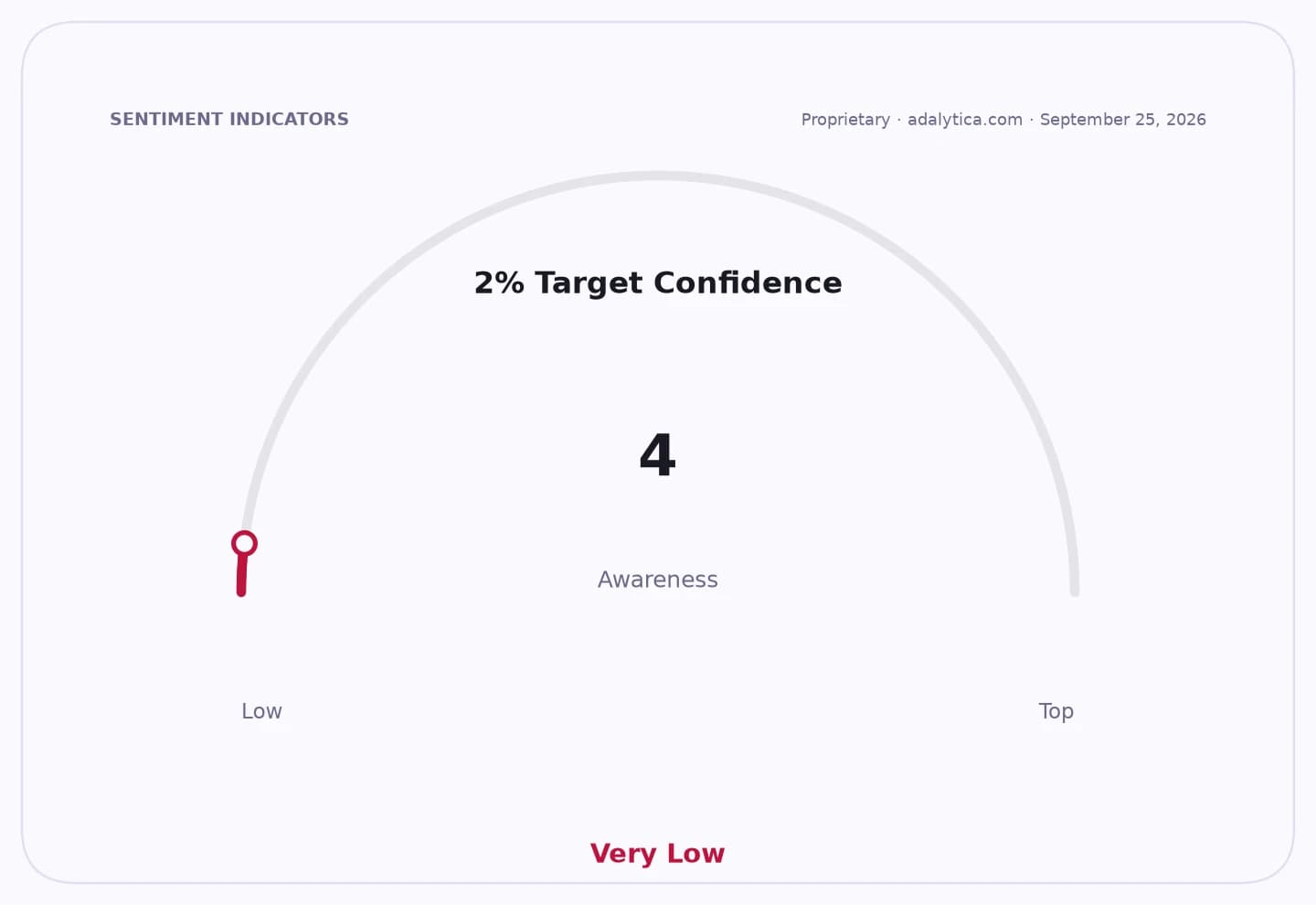
Sentiment IndicatorsⓘProprietary · adalytica.com · September 3, 2026
This is a snapshot — live sentiment, awareness and momentum for 130+ markets update continuously in the dashboard.Open AlphaPulse
A 50-basis-point cut is modest, but in an economy where rates remain deeply restrictive, the direction is what counts. Lower policy rates can gradually reduce funding costs for banks, companies and households, helping investment and consumption at the margin. They can also ease pressure on public finances if domestic debt is repriced lower, though the benefit depends on how quickly commercial lending rates follow.
For investors, the move signals that the central bank is gaining confidence in the inflation outlook, a prerequisite for any broader loosening cycle. That can be supportive for local bonds if it points to lower future yields, but it also raises the usual emerging-market trade-off: easier policy can help growth, yet too much easing before price pressures are firmly contained risks eroding real returns and currency stability.
The bank said it also reviewed the domestic and international backdrop before approving the cut, underscoring how external conditions still matter for a commodity exporter like Angola. Oil price swings, dollar strength and global financing conditions can quickly tighten financial conditions even when the policy rate is moving lower. The fact that the bank chose to cut anyway suggests it sees enough near-term inflation moderation to absorb some risk.
The near-term question for markets is whether this is the start of a measured easing cycle or a one-off adjustment. If inflation continues to cool, the central bank may have room for further cuts later in the year, which would be positive for credit growth and domestic demand. If price pressures re-accelerate or the currency comes under strain, policymakers may have to pause before the easing gains traction.
| Entity | Gains | Losses |
|---|---|---|
| Borrowers | ▲Lower financing costs | ▼— |
| Banks | ▲Potential loan growth | ▼Narrower interest margins |
| Government | ▲Cheaper domestic funding | ▼Less policy restraint |
| Savers/Bondholders | ▲— | ▼Lower real yields |