Reserve Bank of Australia Governor Michele Bullock said supply shocks are hard for monetary policy to manage and warned that policymakers must lean against any second-round effects, reinforcing expectations the RBA will raise rates again next week.
RBA Bullock signals possible rate hike next week
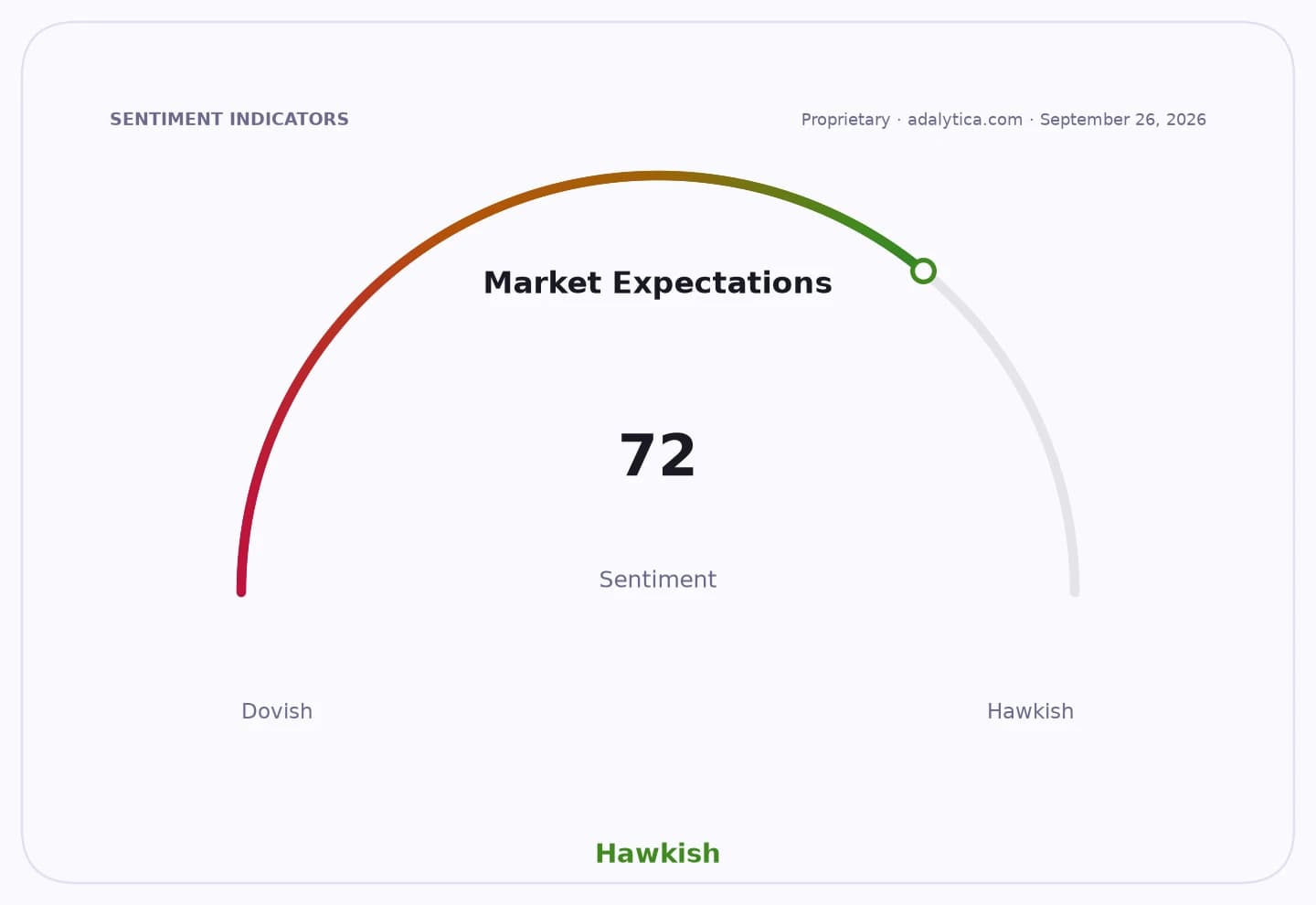
The comments matter because they suggest the central bank is less focused on “looking through” temporary price spikes and more intent on preventing them from embedding in wages and broader inflation settings. That stance leaves the market leaning toward a 25 basis point increase at the Sept. 28-29 meeting from the current 4.35% cash rate, a move that would follow Bullock’s hawkish appearance before parliament last Friday.
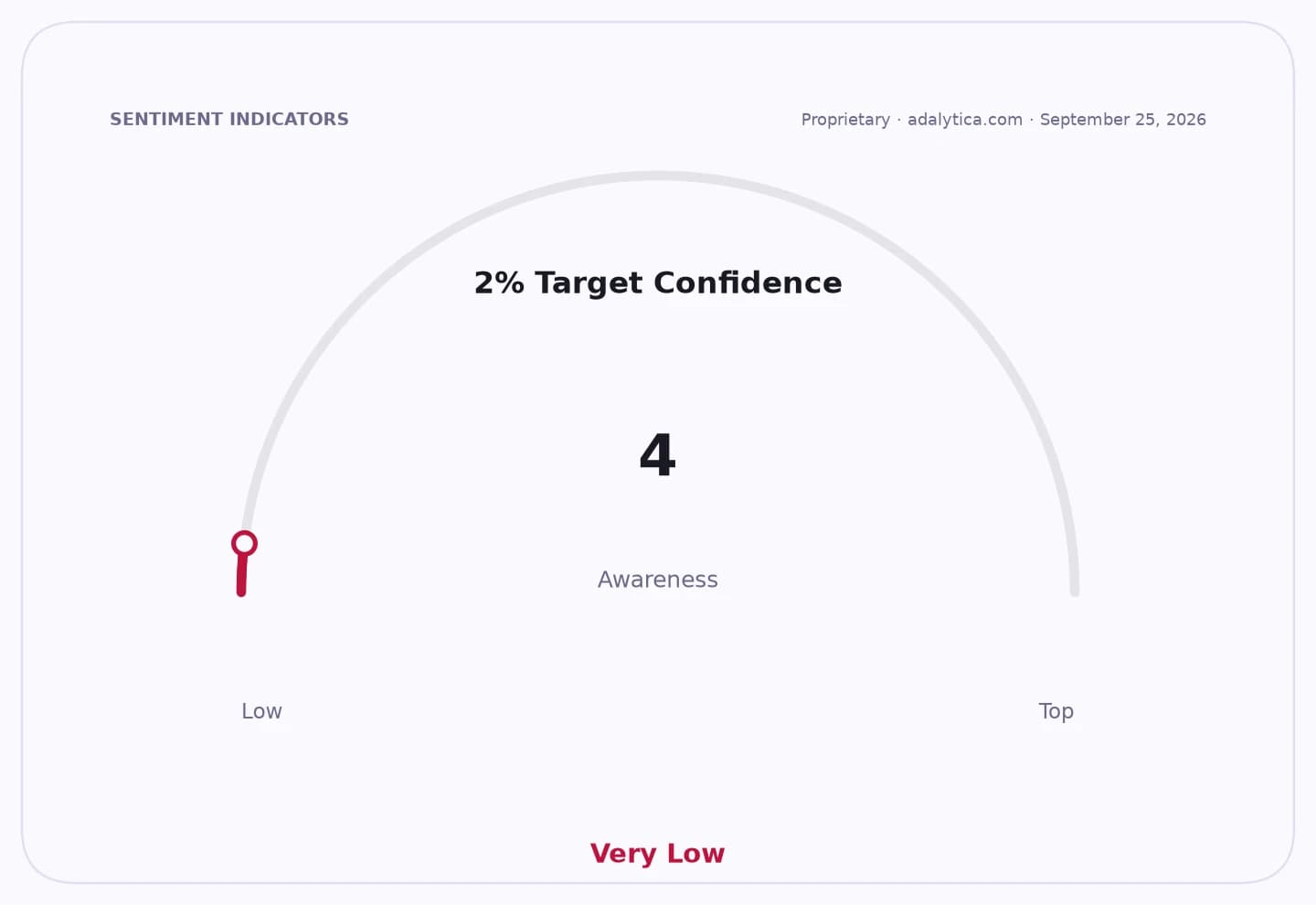
Sentiment IndicatorsⓘProprietary · adalytica.com · September 26, 2026
This is a snapshot — live sentiment, awareness and momentum for 130+ markets update continuously in the dashboard.Open AlphaPulse
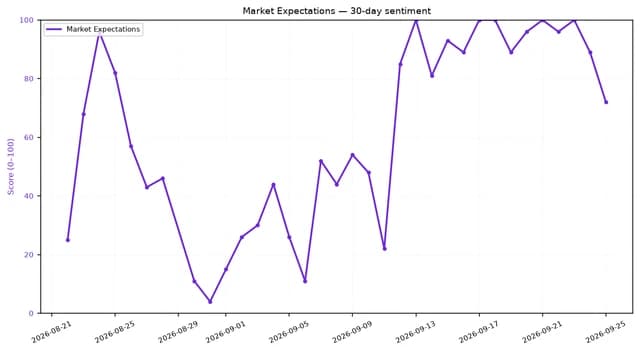
Bullock’s emphasis on second-round effects is the key signal for investors. Central bankers often acknowledge that supply shocks — from energy, weather, or other disruptions — cannot be neutralized directly by interest rates. But when those shocks begin to alter wage demands, pricing behaviour and inflation expectations, they become a monetary-policy problem. Bullock’s remarks indicate the RBA sees that risk as alive in Australia, especially after warning that upside inflation risks flagged in August are now materialising and that the neutral rate may be higher than previously assumed.
That framing supports the case for further tightening even if the source of the shock is external. It also implies the RBA is wary of a repeat of the post-pandemic inflation cycle, when initial cost increases broadened into more persistent price pressure. For households and businesses, that means borrowing costs could remain elevated for longer if the bank decides it needs to do more than one hike to contain inflation persistence.
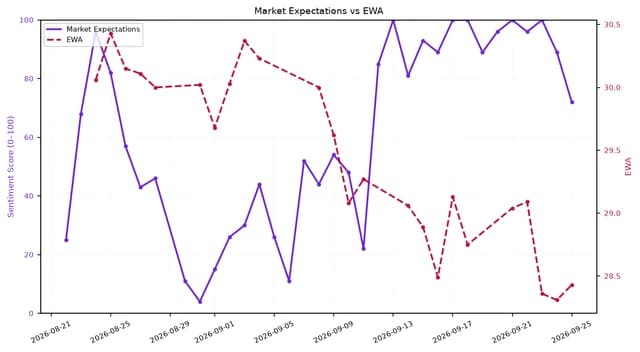
For markets, the immediate implication is limited room to challenge the near-term policy path. Australia’s bond market and the Australian dollar are more likely to react to any further confirmation that Bullock and her colleagues see demand running hot enough to justify tighter policy. The Australia ETF EWA has recently slipped back below its 50-day moving average and its relative strength index has weakened, a technical backdrop that leaves local equities vulnerable if rate expectations rise further and weigh on banks, property and rate-sensitive sectors.
The broader narrative is that the RBA is moving into a more restrictive phase not because inflation has surprised dramatically higher in one print, but because the bank believes the economy remains too resilient for comfort. Bullock’s mention of second-round effects, combined with the committee view that the neutral rate has risen, suggests policymakers are prepared to keep pressure on demand until they are convinced supply shocks are not feeding a more durable inflation problem. The next catalyst is the September meeting itself, but the messaging already leaves investors braced for a hike and alert to whether Bullock signals a longer tightening cycle.
| Entity | Gains | Losses |
|---|---|---|
| RBA hawks | ▲tighter inflation control | ▼policy patience |
| Borrowers | ▲lower chance of near-term relief | ▼higher debt-servicing costs |
| Australian banks | ▲potential margin support | ▼credit-demand softness |
| Rate-sensitive equities | ▲defensive sectors | ▼property and consumer cyclicals |