Treasurer Jim Chalmers has signalled fresh tax relief is coming, turning up the pressure on Canberra to cut household costs just as Labor’s popularity weakens and the IMF warns Australia to keep spending in check.
Australia tax relief signal lifts budget focus

The hint matters because any tax cut would land in an economy still wrestling with sticky prices, elevated borrowing costs and a public balance sheet under strain. The consumer price index rose to 334.131 in August from 332.813 a month earlier, while the cash rate sits at 3.63%, leaving households with little room to absorb more fiscal drag.
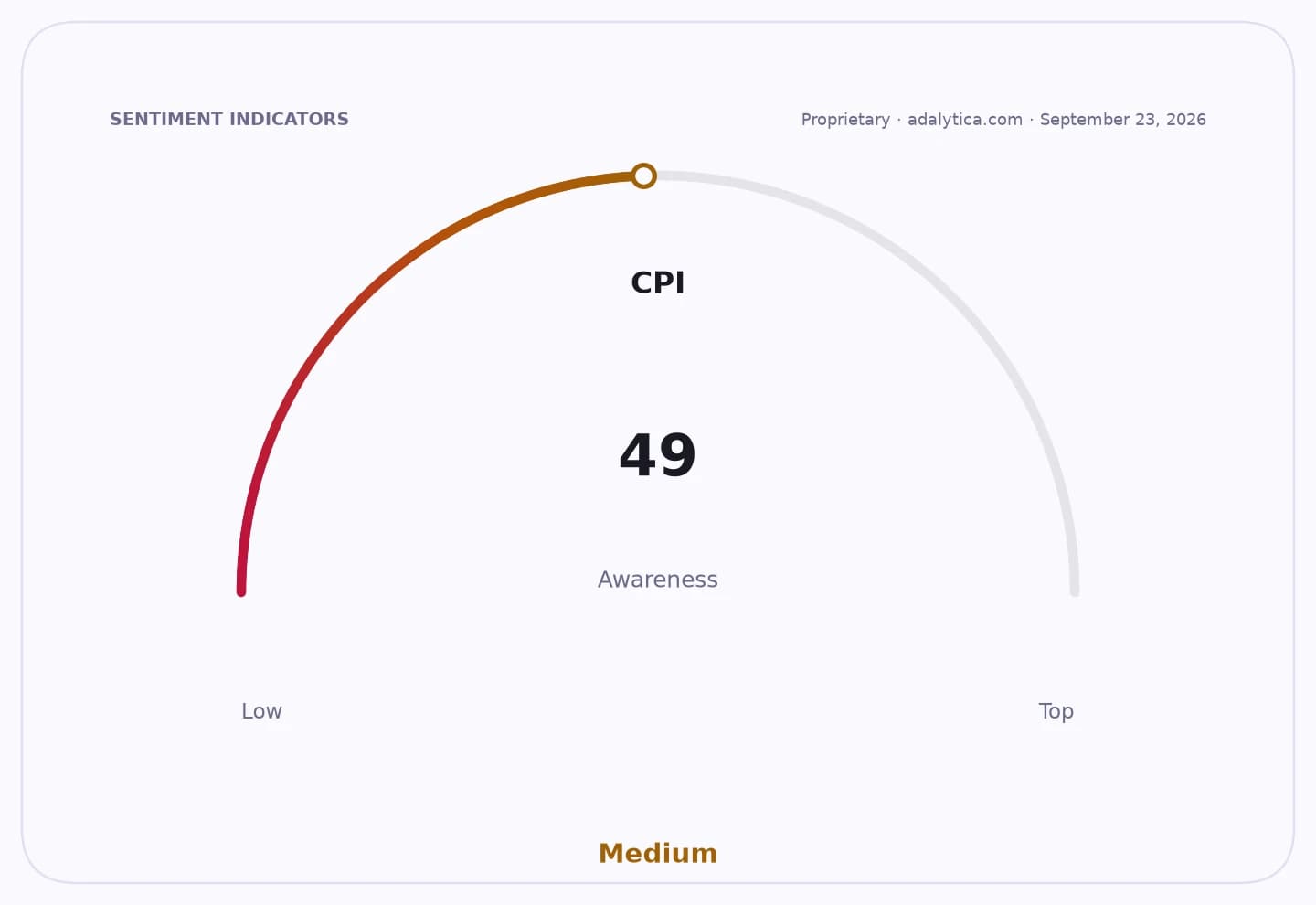
Sentiment IndicatorsⓘProprietary · adalytica.com · September 23, 2026
This is a snapshot — live sentiment, awareness and momentum for 130+ markets update continuously in the dashboard.Open AlphaPulse
For investors, the story is less about the politics of a pay packet than the policy mix it implies. A pre-election or pre-budget tax handout could support consumption and retail earnings, but it risks complicating the Reserve Bank’s inflation fight and could keep rates higher for longer than otherwise.
That tension is exactly what makes the issue economically important. The IMF has urged Australia to restrain spending and keep interest rates relatively tight to contain inflation and a swelling public debt load, now around $1.6 trillion, arguing that policy needs to stay disciplined even as growth slows.
The political backdrop is worsening for Labor, giving Chalmers an incentive to frame tax relief as a cost-of-living response rather than a structural giveaway. At the same time, opposition figures are pushing their own tax agenda, including fuel-related relief, sharpening the contest over who can promise the biggest immediate benefit to voters without stoking prices.
Markets will watch whether the government chooses broad-based cuts, targeted relief or a narrower package tied to bracket creep and household squeeze. Any move that boosts disposable income could help retailers, banks and consumer-facing stocks, but it would also raise questions over fiscal credibility and the path of interest rates.
The next catalyst is the federal budget and any further signal from the Treasurer on timing, size and funding. Investors will be looking for whether tax cuts arrive as a growth support measure or become another source of inflation pressure.
| Entity | Gains | Losses |
|---|---|---|
| Australian households | ▲Higher disposable income | ▼Less fiscal restraint |
| Retailers and consumer stocks | ▲Stronger spending demand | ▼Weaker if rates stay high |
| Labor government | ▲Political lift from relief | ▼Credibility on inflation and debt |
| RBA / IMF fiscal hawks | ▲Potentially none | ▼More pressure from looser policy |