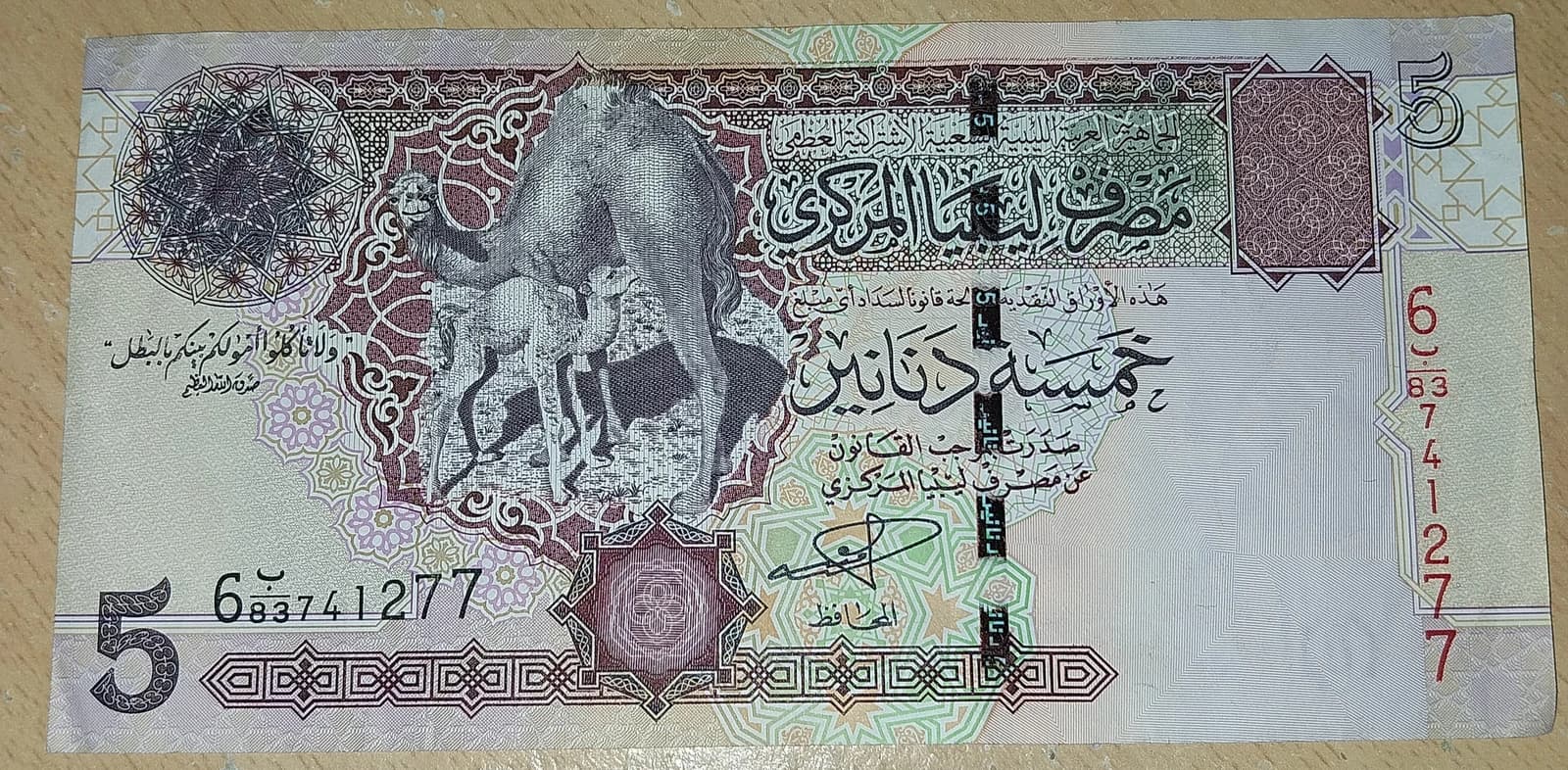
The dollar and euro are climbing again in Libya’s parallel market, a fresh sign that the country’s currency pressures are deepening and that households and importers are paying the price.
Libya parallel market dollar rises to 9.62 dinars
By Sunday’s close, the U.S. dollar rose to 9.62 dinars, while the euro advanced to 10.80 dinars and the pound sterling reached 12.45 dinars, according to local market quotes at 6:45 p.m. The move matters because Libya’s parallel market remains the real barometer of purchasing power for many businesses and consumers, where shortages, policy uncertainty and weak confidence can quickly feed into higher import costs and broader inflation.
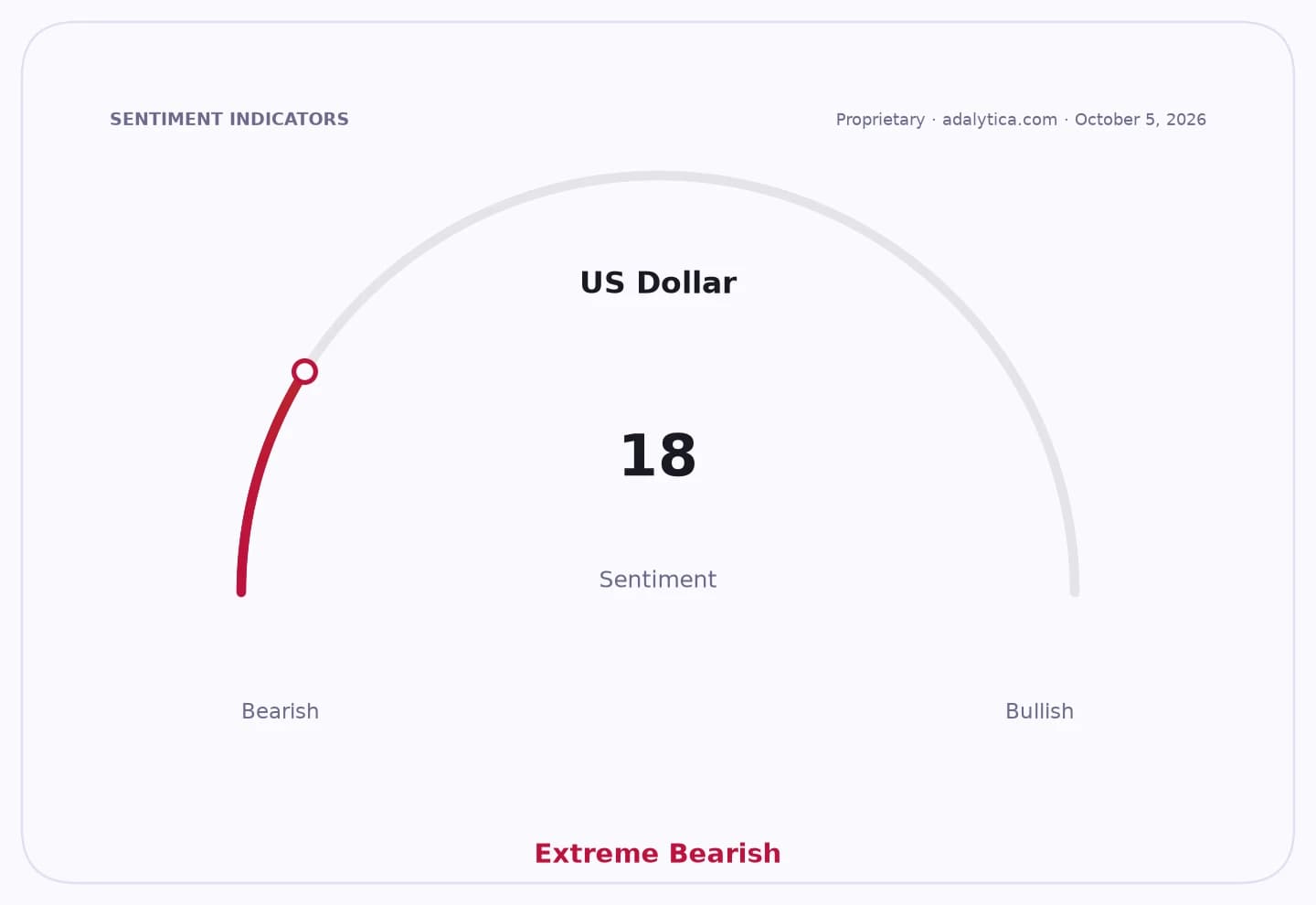
Sentiment IndicatorsⓘProprietary · adalytica.com · October 5, 2026
This is a snapshot — live sentiment, awareness and momentum for 130+ markets update continuously in the dashboard.Open AlphaPulse
For investors and regional watchers, the message is not just that foreign exchange is expensive — it is that Libya’s financial imbalance is still unresolved. When the street price of hard currency keeps grinding higher, the cost of fuel, food, equipment and consumer goods rises with it, squeezing margins for merchants and reinforcing demand for dollars and euros as stores of value. That dynamic can accelerate capital flight into cash and precious metals, while weakening spending in the formal economy.
The euro’s rise to 10.80 dinars is particularly notable because it points to broad-based pressure, not just a dollar-specific spike. Sterling’s move to 12.45 dinars and the price of bank payment instruments, or “sakk,” at 9.78 dinars reinforce the same pattern: liquidity is tight, demand for foreign currency remains strong and confidence in the local unit is still fragile. In market terms, the spread between official and informal pricing remains the story investors should be watching.
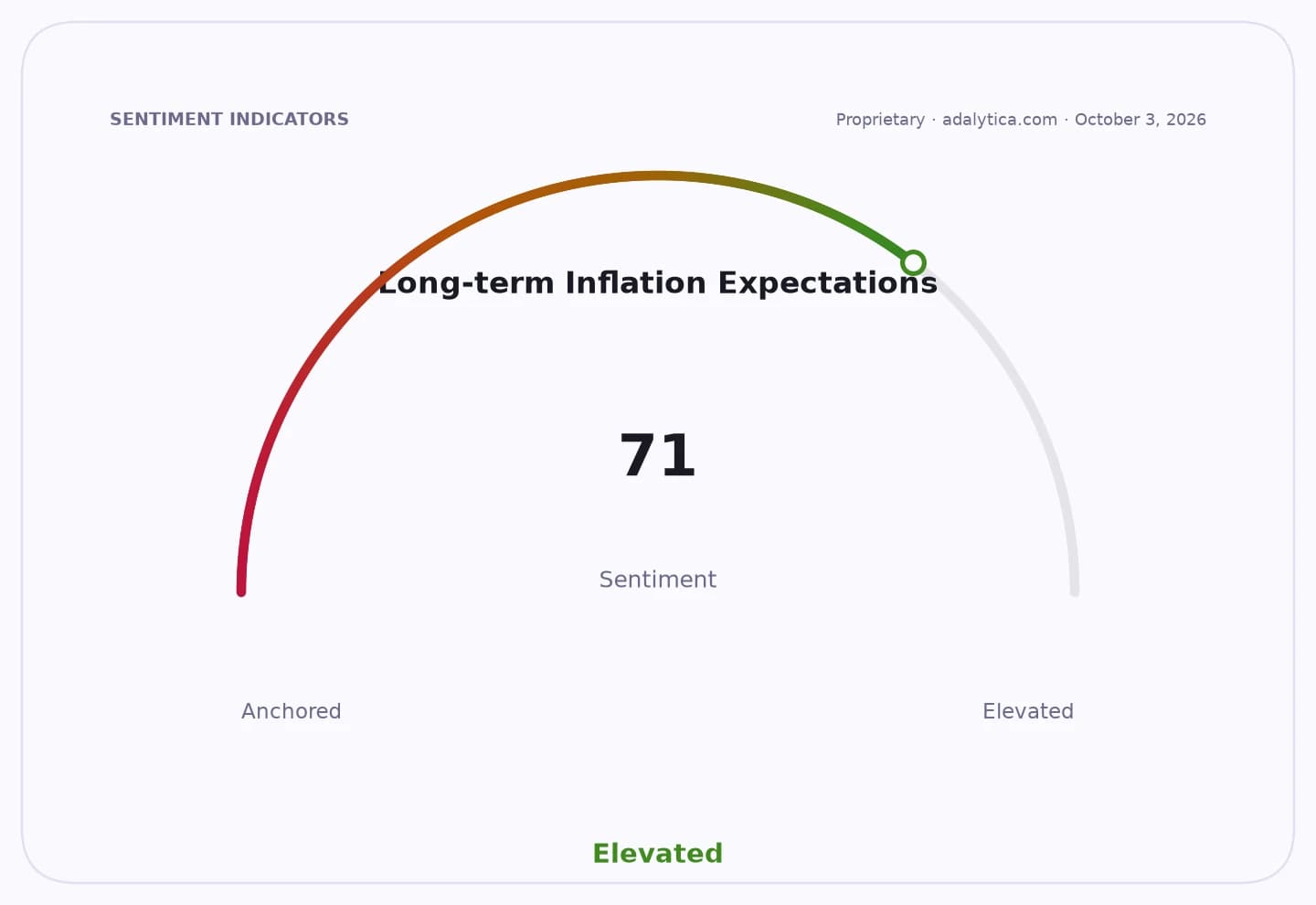
Adalytica.com’s trade signals also show the dollar and euro attracting heavy attention, with the euro registering “Extreme Greed” in awareness terms and the dollar sitting in “Fear,” a combination that underscores how fast sentiment can swing when local FX conditions deteriorate. The conventional technical picture in the dollar-euro pair also suggests momentum is intact, with the exchange rate sitting above both the 50-day and 200-day moving averages and RSI readings still elevated.
The investable takeaway is straightforward: Libya’s parallel-market FX stress is a warning sign for anyone exposed to North African consumer demand, imported inflation and cross-border trade friction. Until local currency stability improves, hard-currency assets, import-linked pricing power and defensive balance sheets are likely to remain the better place to hide — and potentially the better place to make money.
| Entity | Gains | Losses |
|---|---|---|
| Dollar holders | ▲Preserve purchasing power | ▼Local dinar earners |
| Euro and sterling buyers | ▲Better FX hedge | ▼Importers facing higher costs |
| Parallel-market currency sellers | ▲Wider trading spread | ▼Households and consumers |
| Import-dependent businesses | ▲— | ▼Margin pressure, weaker demand |