The euro’s slide to about $1.13 is a small but meaningful gift for France’s big listed exporters, because a weaker currency makes overseas sales translate into more euros and can cushion margins at a time when global growth is still uneven.
Euro at $1.13 Helps French Exporters

That matters most for French companies with heavy exposure to the United States and other dollar-linked markets. When the euro falls, a manufacturer, luxury group or industrial supplier earning dollars, pounds or yen can bring home more revenue after conversion, even if unit sales are unchanged. For investors, that can provide an earnings lift without any extra demand — exactly the kind of currency tailwind that can help support valuation in a choppy market.
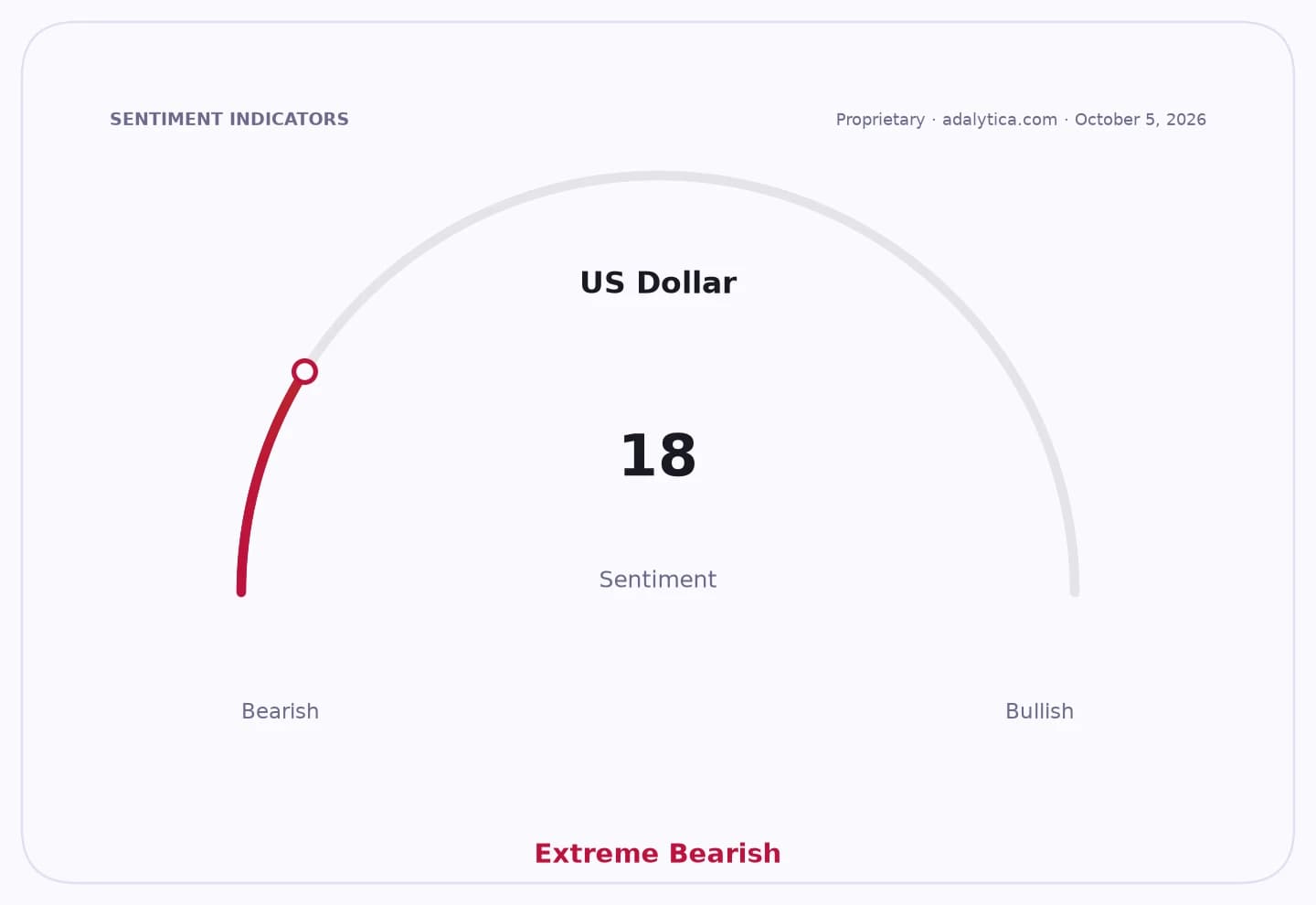
Sentiment IndicatorsⓘProprietary · adalytica.com · October 6, 2026
This is a snapshot — live sentiment, awareness and momentum for 130+ markets update continuously in the dashboard.Open AlphaPulse
The move also reflects a broader shift in currency sentiment. The euro had been as high as 1.20 earlier this year, but recent trading shows it losing momentum, with the pair now below both its 50-day and 200-day moving averages. The conventional RSI reading is deeply oversold, while the MACD remains negative, suggesting the downtrend has been strong even if it may be stretched in the short term. Adalytica’s euro trade signals still show neutral sentiment, but awareness is elevated, which fits a market that is watching the currency closely.
For French blue chips, the timing is important. Many are built for global rather than domestic demand, so their results tend to move with foreign exchange more than local consumer spending. A weaker euro can be particularly helpful for exporters in luxury goods, aerospace, autos, pharmaceuticals and industrials, where overseas revenue is a large part of the story. It can also make French listed companies look more attractive relative to U.S. rivals, because translated earnings may rise even if operating performance is merely steady.
Still, investors should keep the bigger picture in mind. Currency moves are not a substitute for pricing power, cost discipline or real sales growth, and the benefit can fade quickly if the euro rebounds. But for long-term investors, a softer euro is one more reason to stay constructive on France’s export-heavy market, especially for companies with durable brands, global reach and strong free cash flow. In other words, this is the kind of macro tailwind worth watching — and one that can quietly compound over time for patient shareholders.
| Entity | Gains | Losses |
|---|---|---|
| French exporters | ▲Higher euro-reported revenue | ▼Euro strength |
| Overseas buyers | ▲Lower foreign-currency prices | ▼Potential price hikes |
| French listed multinationals | ▲Margin support | ▼Domestic importers |
| U.S. dollar | ▲Relative strength | ▼Euro-denominated assets |