The euro weakened again against the Vietnamese dong on October 5, with most banks cutting both buying and selling rates even as a few lenders moved in the opposite direction, underscoring a choppy foreign-exchange market and a firmer local currency backdrop.
Euro falls versus dong at Vietnamese banks
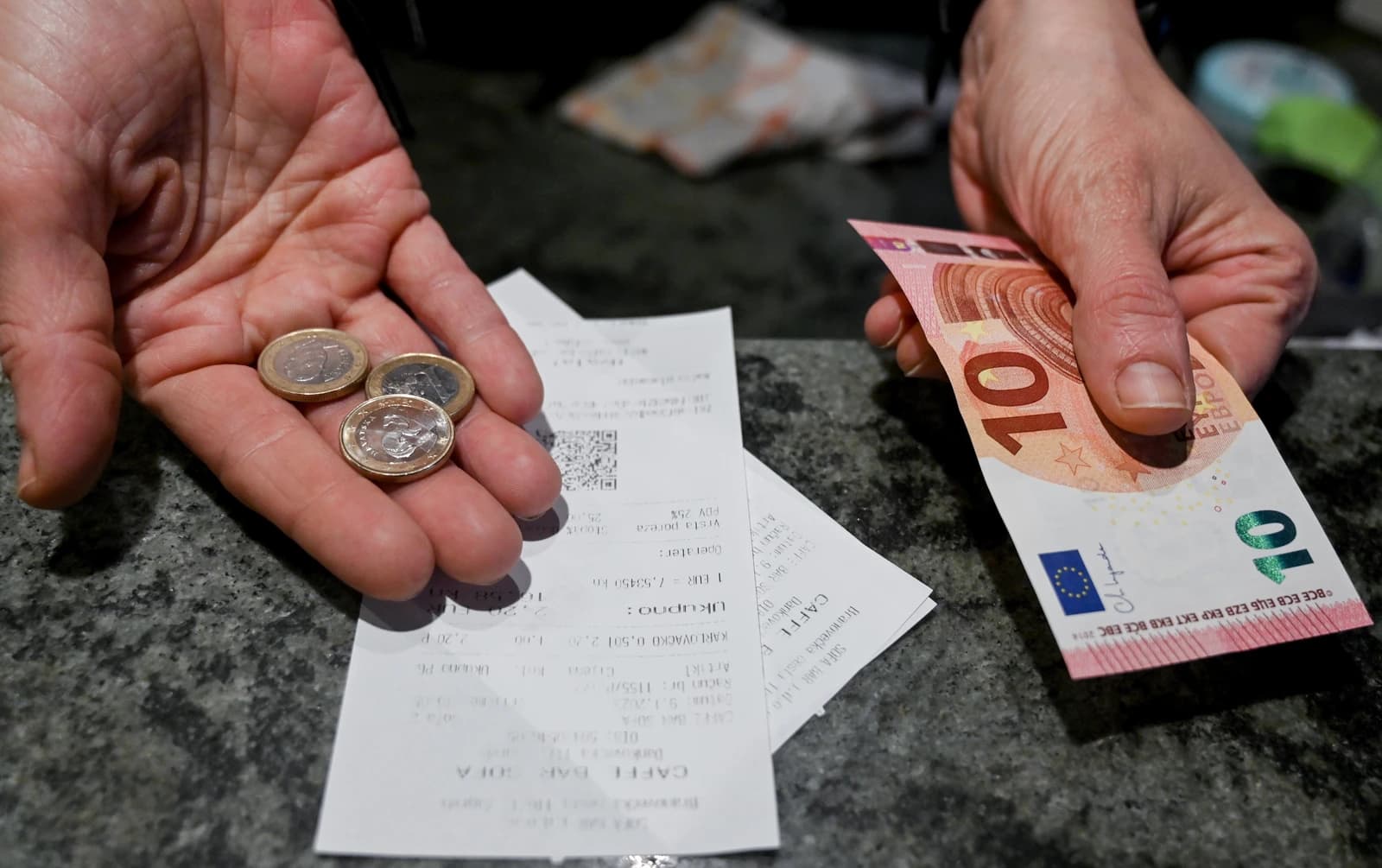
For businesses that settle invoices in euros, the decline lowers import costs and eases pressure on margins. For households and travelers, it makes euro-linked payments slightly cheaper. For investors and treasury desks, the more important signal is that banks are pricing the single currency more cautiously, even though the moves remain uneven across lenders.
Sentiment IndicatorsⓘProprietary · adalytica.com · October 5, 2026
This is a snapshot — live sentiment, awareness and momentum for 130+ markets update continuously in the dashboard.Open AlphaPulse
At Vietcombank, the euro fell 15 dong on the buy side and 16 dong on the sell side to 28,459 dong and 29,959 dong respectively. BIDV also trimmed quotes, while Techcombank cut both sides by 66 dong. Eximbank and Sacombank, by contrast, raised their euro rates, showing that liquidity and balance-sheet needs still vary from bank to bank.
The spread across the market remains wide. Bank buy prices ranged from 28,459 dong to 28,759 dong, while sell quotes were mostly between 29,854 dong and 30,514 dong. Sacombank posted the highest buying rate, while Eximbank offered the lowest selling rate among the lenders surveyed at 9:10 a.m.
The parallel move in the unofficial market reinforced the softer tone. The black-market euro rate slipped 15 dong on the buy side and 16 dong on the sell side to 28,459 dong and 29,960 dong. That suggests the day’s weakness was not just a bank-specific adjustment but part of a broader repricing of euro demand locally.
For investors, the key issue is not a one-day currency move in isolation but what it says about relative FX pressure. A weaker euro at Vietnamese banks can reflect a combination of lower near-term demand for the currency, stronger dong sentiment and shifting expectations around European monetary policy versus local funding conditions. If sustained, it would help Vietnamese importers with euro liabilities, while weighing on exporters and service providers that bill in euros.
FXE, the euro-tracking fund, was also trading below its 50-day moving average and 200-day moving average in the latest price data, with a very low RSI reading and a negative MACD, technical signals that point to persistent downside momentum in the broader euro complex. While those indicators do not determine the bank quotes in Vietnam, they are consistent with a currency under pressure.
The near-term outlook will depend on whether the euro’s weakness broadens or remains a day-to-day adjustment. For now, the market is signaling caution rather than a decisive trend reversal, and Vietnamese banks appear to be marking that caution into their pricing.
| Entity | Gains | Losses |
|---|---|---|
| Vietnamese importers | ▲Lower euro costs | ▼— |
| Vietnamese consumers/travelers | ▲Cheaper euro payments | ▼Euro savings weakened |
| Local banks with euro demand | ▲Better FX flexibility | ▼Margin pressure on pricing |
| Euro holders | ▲— | ▼Softer dong conversion value |