German government bonds are drawing buyers as investors sour on French debt, turning a widening euro-area divide into one of the clearest market stories in Europe right now.
Germany Bunds Rise as France Yields Jump

The biggest development is not simply that bunds rose on Friday, but that France’s borrowing costs jumped far more sharply, leaving the gap between the two sovereigns wide enough to look less like ordinary volatility and more like a warning about political and fiscal strain in the euro zone’s second-largest economy. The 10-year German yield fell to 3.45%, while the French equivalent traded at 4.85%, a striking spread that reflects how quickly investors are demanding extra compensation to hold French debt.
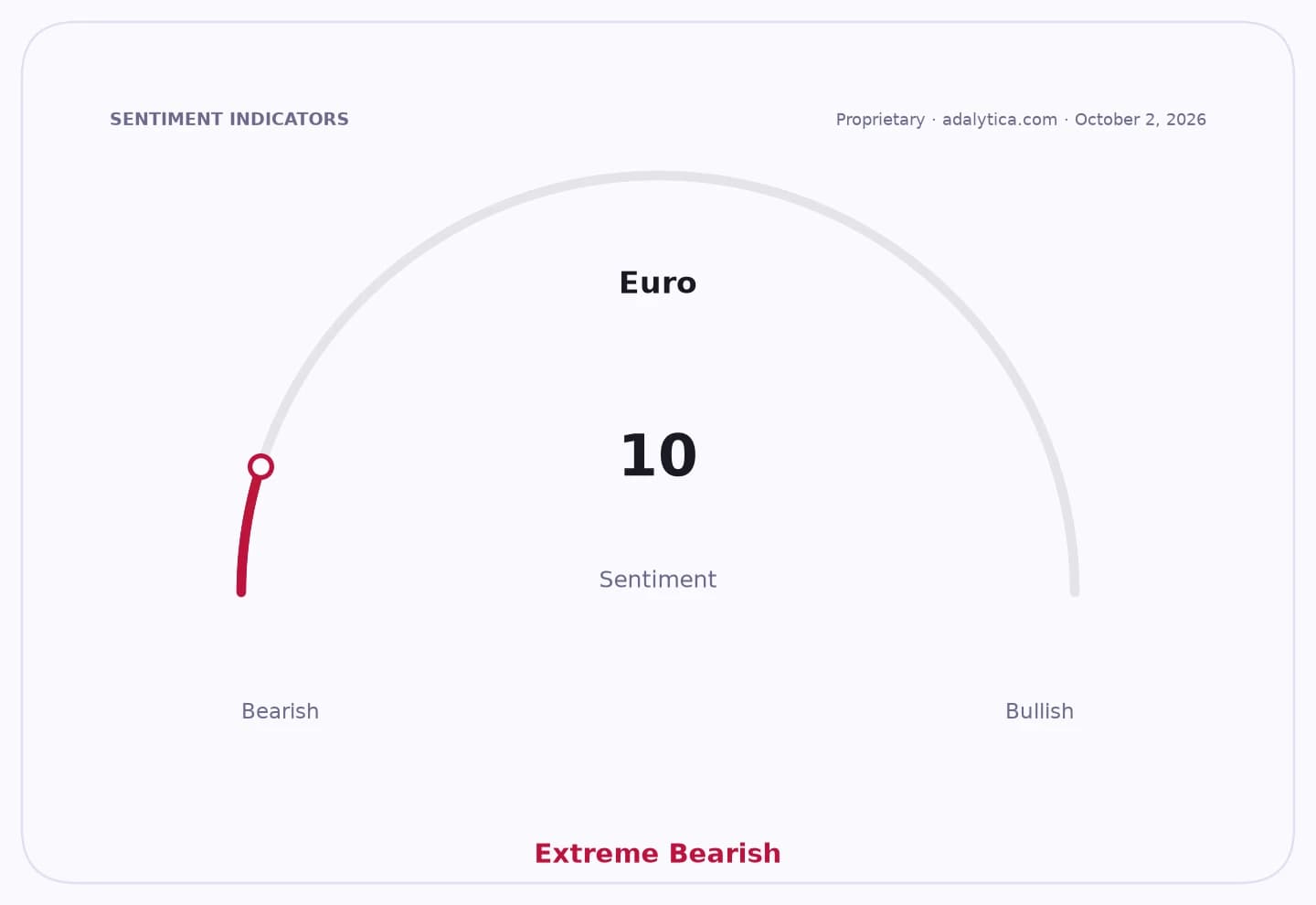
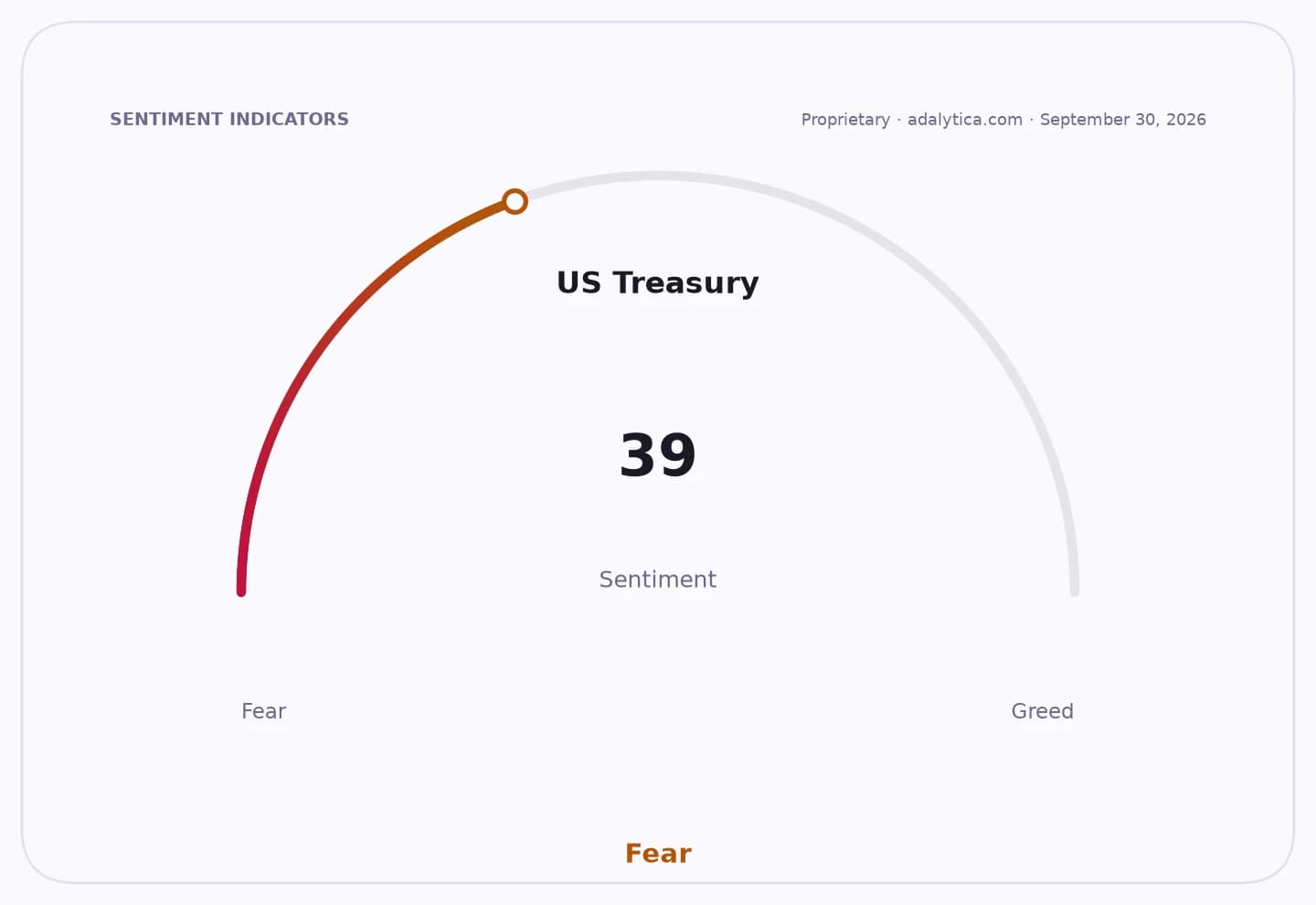
Sentiment IndicatorsⓘProprietary · adalytica.com · October 2, 2026
This is a snapshot — live sentiment, awareness and momentum for 130+ markets update continuously in the dashboard.Open AlphaPulse

That matters economically because sovereign yields are the price of trust. When Germany benefits from a safety bid and France pays up, funding conditions diverge inside the currency union. Lower German yields can ease borrowing pressure for the euro zone’s anchor economy, but higher French yields make it more expensive for Paris to finance deficits, roll debt and support growth. If that spread stays wide, it can tighten financial conditions across the region and complicate the European Central Bank’s job.
The move also fits a broader global bond backdrop. A weaker-than-expected US jobs report gave yields little lasting support, suggesting the market is still wrestling with slower growth on one side and stubbornly high borrowing costs on the other. In the US, the 10-year Treasury yield remains elevated, while bond funds such as TLT have been under pressure and are trading below both their 50-day and 200-day moving averages. That tells investors the risk-off trade is not about chasing duration indiscriminately; it is about favoring the safest credits inside a fragile fixed-income market.
France is the weak link. Analysts at Dekabank called the latest move in French government bonds a “desaster,” saying Paris’s push toward an unpopular austerity path is feeding fears about the next presidential election and the protests already gathering around it. In other words, investors are not just pricing budget math, but political durability. That is often when bond markets become most punitive: when austerity hurts growth, growth weakens tax revenues, and politics makes it harder to restore confidence.
For long-term investors, the message is less about a trade and more about discipline. Sovereign spreads can move quickly when fiscal credibility is questioned, and they often matter most when governments need to refinance large debt loads. German bunds remain the regional haven, but France now has to prove it can stabilize both its finances and its politics. Until that happens, the French bond market is likely to remain under pressure, and investors across Europe should keep a close eye on the spread between Paris and Berlin.
| Entity | Gains | Losses |
|---|---|---|
| Germany bunds | ▲Safe-haven demand | ▼Yield upside |
| French bonds | ▲None | ▼Funding costs |
| French government | ▲Budget pressure eases only slowly | ▼Market confidence |
| Euro-zone investors | ▲Clearer relative value | ▼Higher spread risk |