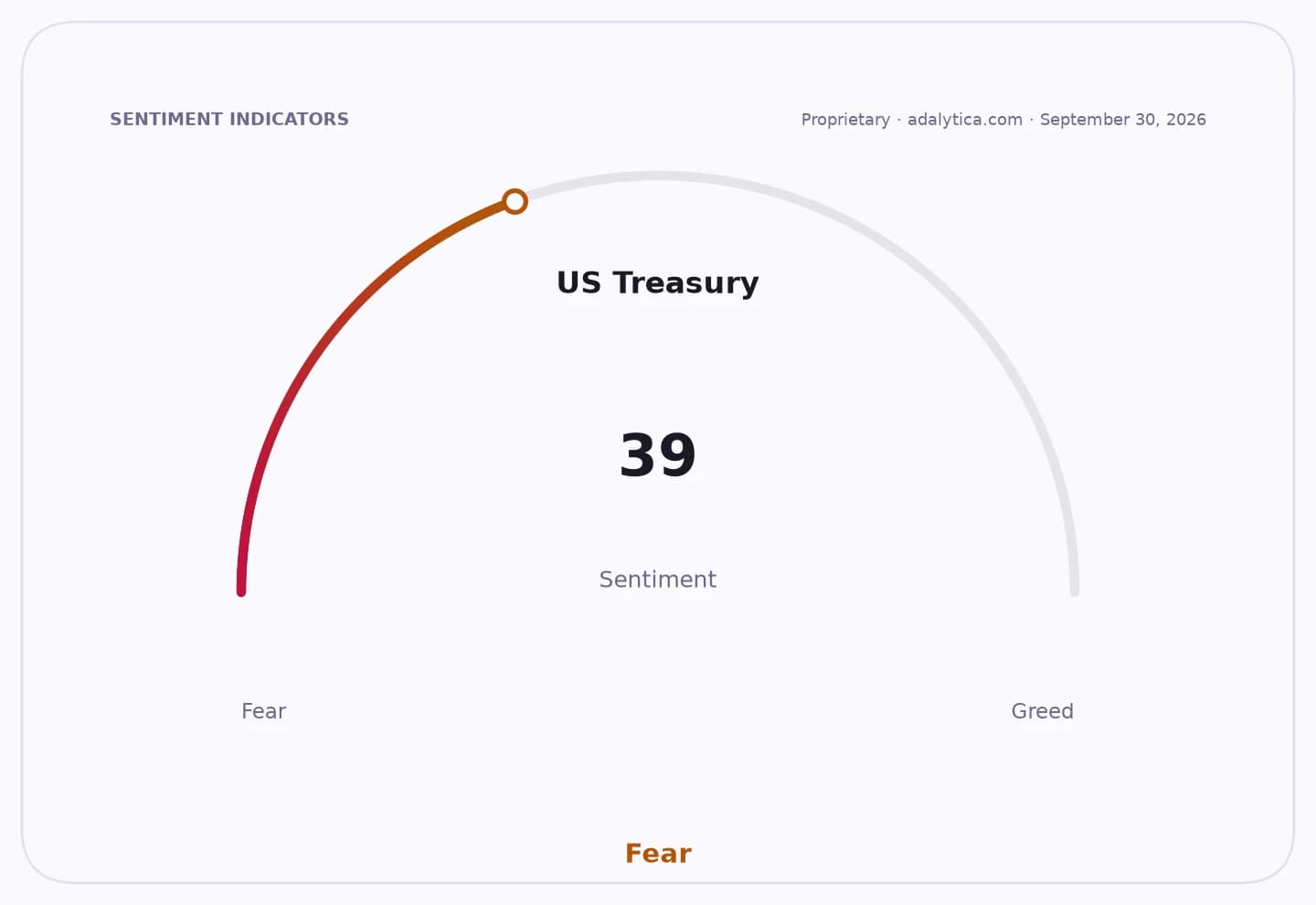
Italy’s borrowing premium over Germany spiked to its highest level since April 2025 before easing late in the session, underscoring how quickly sovereign stress can return to the euro zone’s most indebted issuers when investors get nervous about deficits, energy costs and geopolitics.
Italy BTP-Bund spread widens on deficit and energy fears
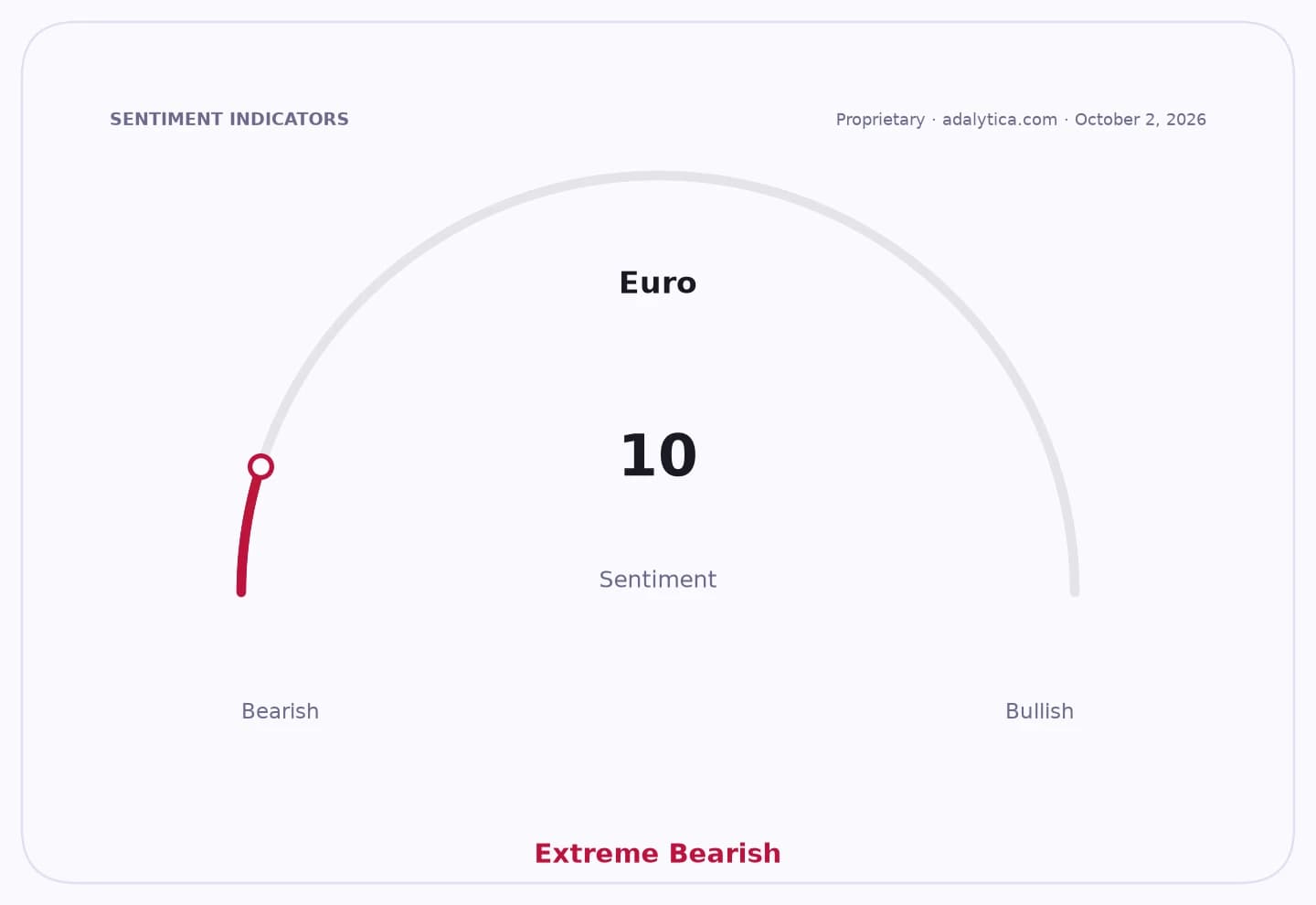
The BTP-Bund spread touched 131 basis points intraday and then closed at 114.6, down from 126 at the open, after Italian 10-year yields climbed as high as 4.7% before settling at 4.6%. The move matters because it is not just a trading squall: it is a real financing cost shock for Rome, and a warning that markets are once again demanding a higher risk premium for holding Italian debt.
That premium is rising in a market already on edge. Investors are reacting to tensions in the Middle East, which have lifted energy prices and revived inflation worries, while heavier sovereign supply across Europe keeps pressure on yields. On the day, German 10-year yields were at 3.45% and French 10-year yields at 4.87%, a reminder that Italy’s move is part of a broader repricing in Europe’s bond market — but with the most indebted borrowers taking the hardest hit.
France is now part of the same trade. Its 10-year yield briefly hit the highest level since 2002, and the spread between French and German debt widened to 131 basis points, the widest since 2012, as investors digested a public debt load that has reached 119% of GDP. That contagion matters for Italy because it raises the risk that sovereign stress stops being a country-specific story and becomes a euro-zone funding story.
For investors, the message is clear: higher-for-longer yields are still the dominant macro force, and that keeps pressure on long-duration assets, banks with large sovereign books and highly levered European borrowers. The late-session recovery in European equities does not erase the bond-market warning; if anything, it suggests equity traders are still too comfortable with a backdrop in which debt-servicing costs can reset quickly and blunt fiscal flexibility.
The investment setup is now increasingly asymmetric. If energy prices stay elevated or fiscal headlines worsen, Italy’s spread can widen again fast, forcing another round of bond-market volatility. If risk sentiment stabilizes, the spread can retrace, but the floor is likely higher than it was earlier this year because the market has already repriced the cost of European sovereign risk. That is why the opportunity is not in chasing the bounce — it is in positioning for continued dispersion across Europe, favoring quality sovereigns, defensive banks and rate-sensitive beneficiaries while staying cautious on the most indebted periphery.
| Entity | Gains | Losses |
|---|---|---|
| German Bunds | ▲Safe-haven demand | ▼Lower relative yield premium |
| Italian BTPs | ▲Short-term bounce potential | ▼Higher funding costs |
| French OATs | ▲Relative spread trade interest | ▼Rising sovereign risk premium |
| Euro zone equity bulls | ▲Late-session risk rebound | ▼Bond-market volatility |