Italy’s borrowing premium over Germany narrowed at the open, with the 10-year BTp-Bund spread falling to 92 basis points and the Italian yield easing to 4.50%, a sign that investors were slightly less anxious about Rome’s financing costs even as euro-area rates stay elevated.
Italy 10-Year BTp-Bund Spread Narrows to 92 bps
The move matters because the spread is one of the clearest gauges of confidence in Italy’s public finances and the wider euro-area risk premium. A tighter gap lowers the marginal cost of funding for the sovereign and, by extension, for banks and companies that price off Italian government debt. It also suggests that, at least for now, investors are not demanding the same degree of compensation for holding Italian paper as they were in the prior session, when the spread had widened to about 95 basis points and the BTp yield had climbed as high as 4.56%.
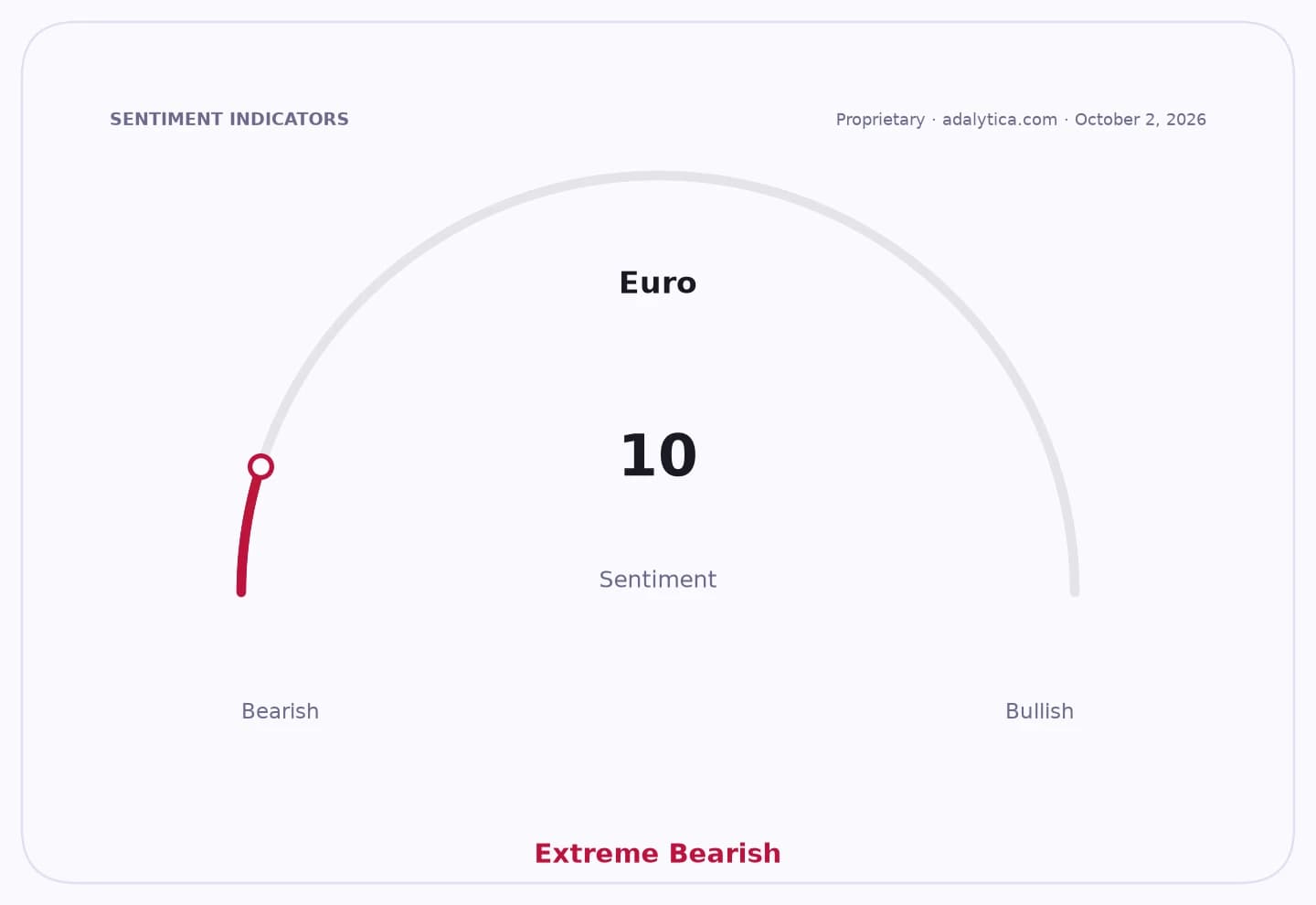
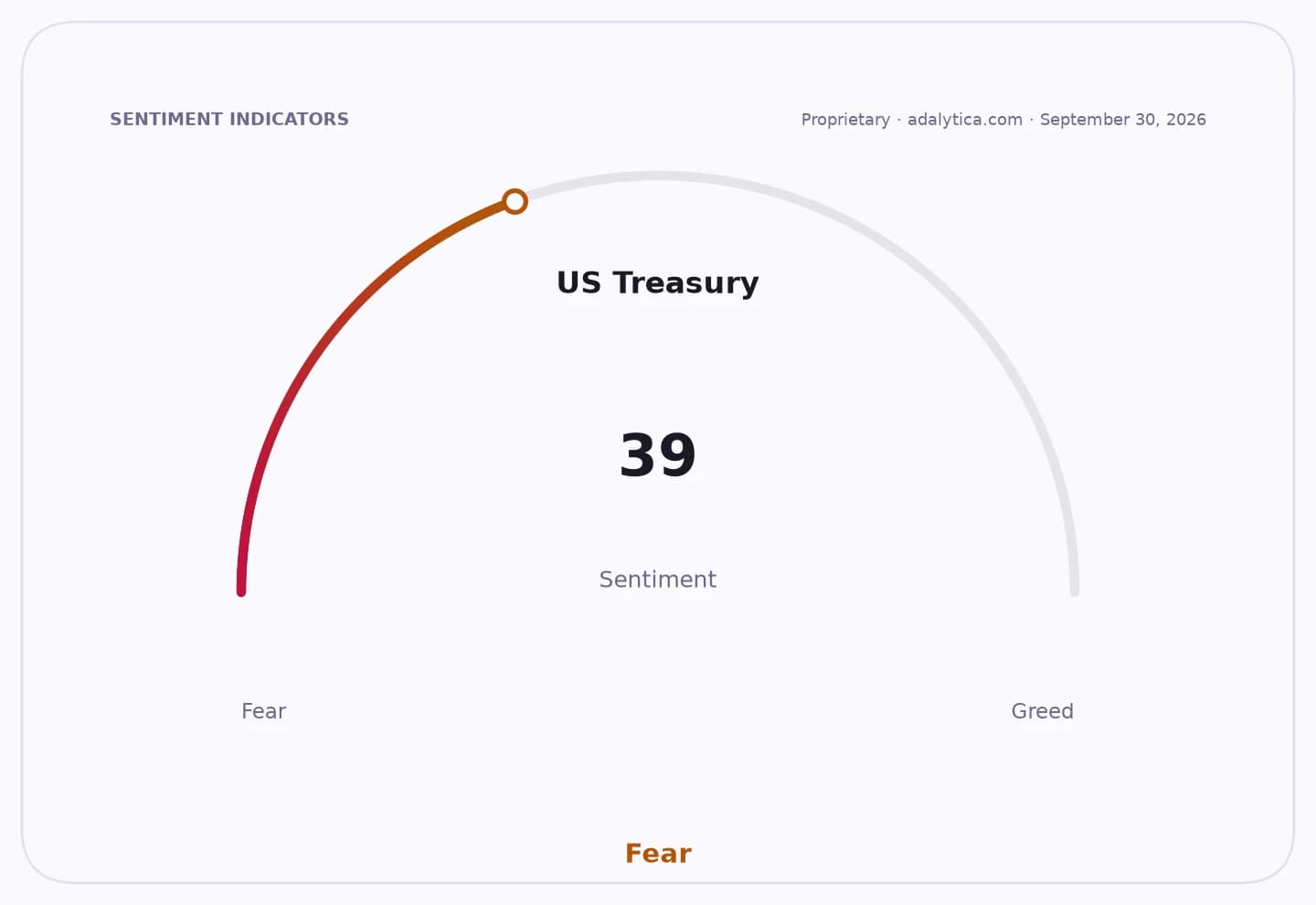
Sentiment IndicatorsⓘProprietary · adalytica.com · September 30, 2026
This is a snapshot — live sentiment, awareness and momentum for 130+ markets update continuously in the dashboard.Open AlphaPulse
Even after the pullback, the yield level remains high by recent European standards and underscores how sticky sovereign funding costs have become across the region. The German 10-year benchmark was quoted around 3.55%, leaving Italy with a still-material premium. That gap reflects both Italy’s heavier debt burden and the market’s view that fiscal vulnerability remains greater in Rome than in Berlin, especially in a rate environment where long-dated borrowing costs are elevated globally.
For investors, the immediate significance is less about the one-day narrowing than about the direction of travel. A stable or tightening spread can support Italian banks, which hold large amounts of domestic sovereign debt, and can ease pressure on broader euro-area credit conditions. A renewed widening, by contrast, would revive concerns over valuation, refinancing and the sensitivity of peripheral debt to any shift in risk appetite, particularly if US Treasury yields remain near recent highs and global bond markets stay under strain.
The broader narrative is that sovereign spreads are being pulled between two forces: higher core yields that keep absolute borrowing costs elevated, and intermittent demand for peripheral debt that can compress the risk premium. The latest BTp move suggests Italy remains funded, but not cheaply. That leaves the market focused on whether the spread can hold near current levels or whether another wave of global rate volatility pushes it back wider.
| Entity | Gains | Losses |
|---|---|---|
| Italian sovereign | ▲Lower funding premium | ▼None from tighter spread |
| Italian banks | ▲Softer sovereign-mark-to-market pressure | ▼Higher absolute yields |
| German Bunds | ▲Relative safe-haven demand | ▼Spread compression |
| BTp holders | ▲Small price support | ▼Yield-sensitive sellers |