Italy’s households have lost about 46 billion euros in purchasing power over the past four years, a setback that underscores how energy-driven inflation has left one of Europe’s biggest economies weaker, poorer and more dependent on policy support.
Italy households lose 46 billion euros in buying power
The estimate, from business group Confesercenti, highlights the scale of the drag from the 2022 energy shock and broader geopolitical turmoil, which it says has cut real gross domestic product by nearly 52 billion euros and household consumption by more than 30 billion euros. The group also said Italian families and companies have paid about 77 billion euros more in taxes than they would have under 2021 tax conditions, compounding the squeeze on demand.
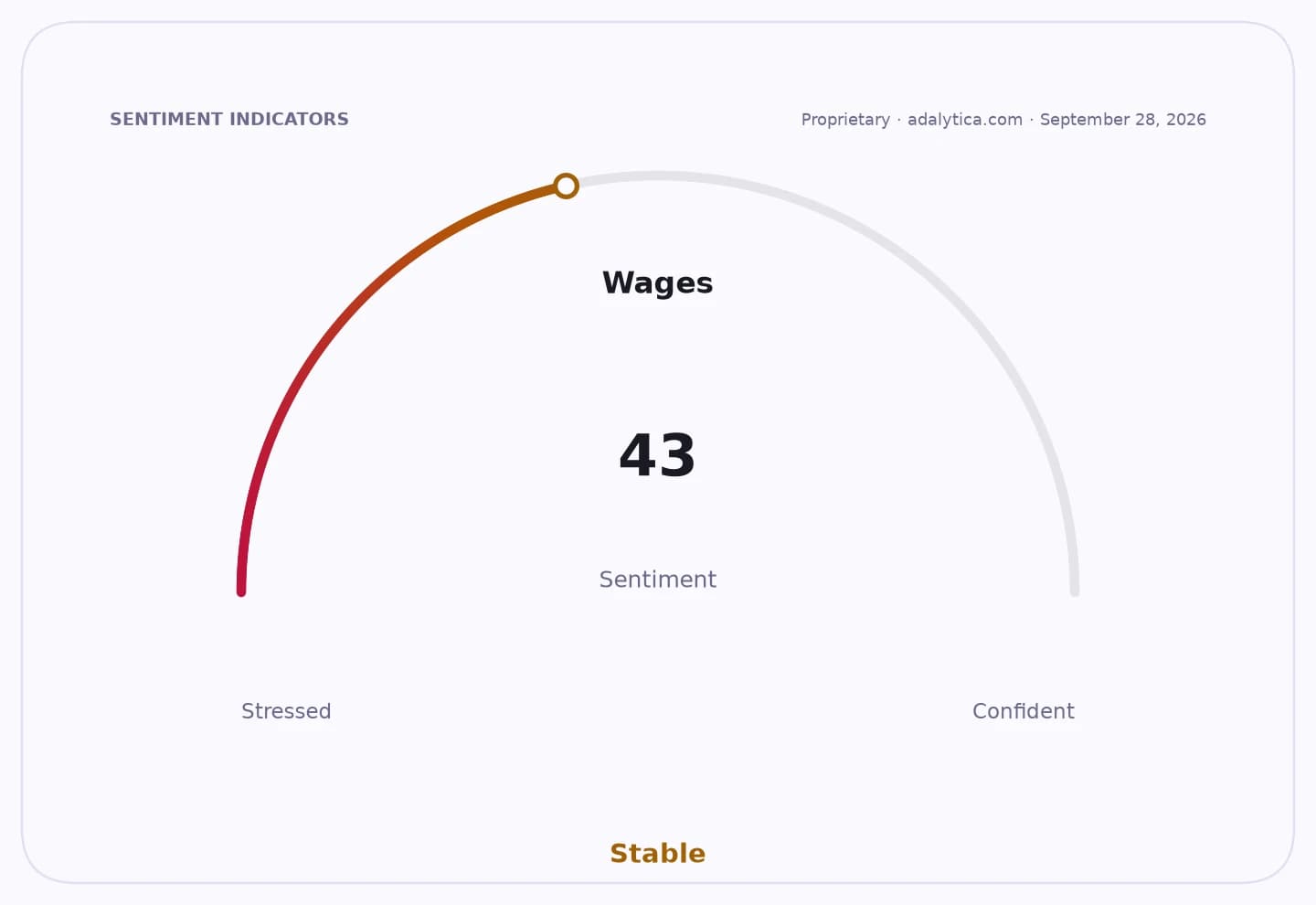
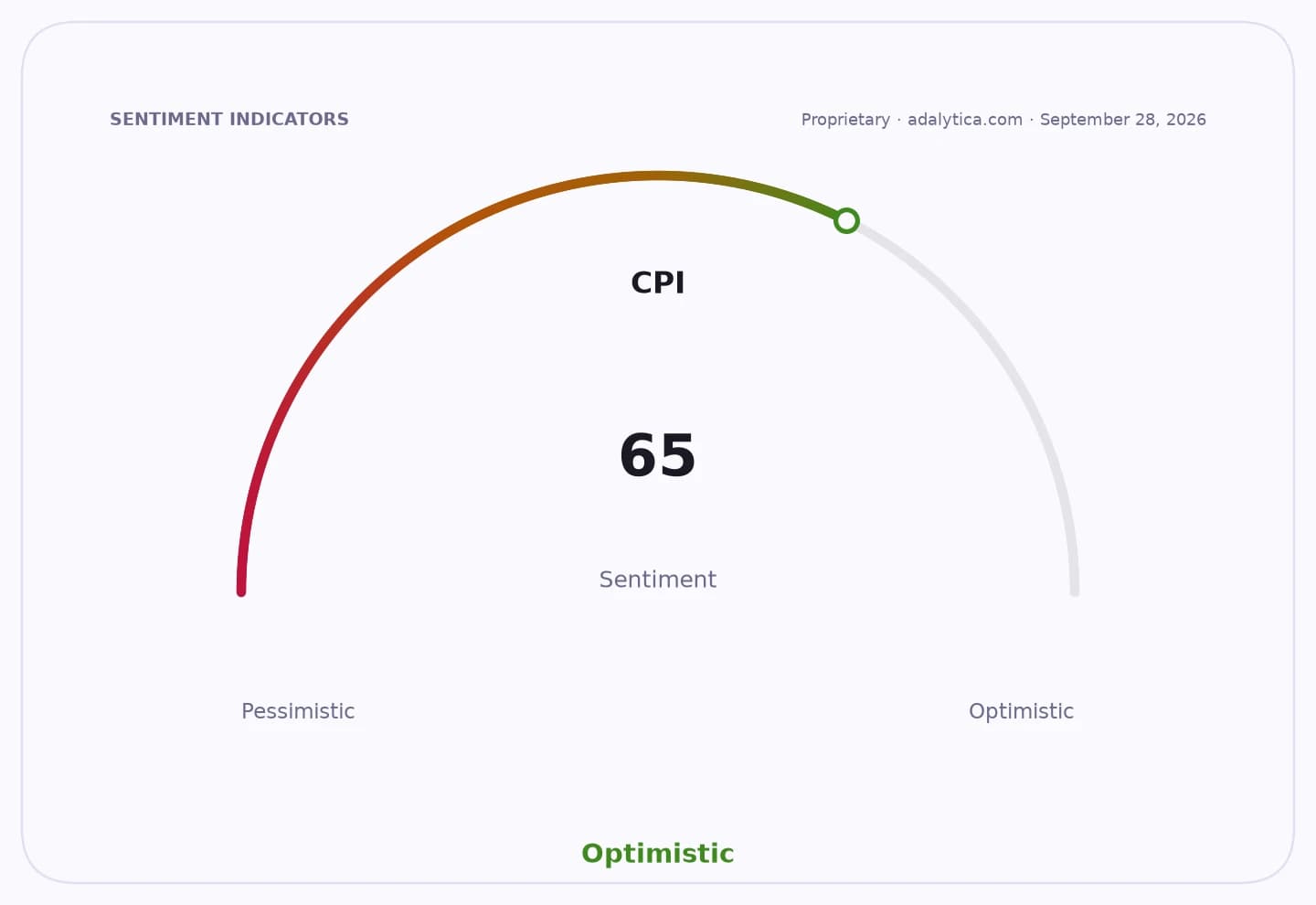
Sentiment IndicatorsⓘProprietary · adalytica.com · October 1, 2026
This is a snapshot — live sentiment, awareness and momentum for 130+ markets update continuously in the dashboard.Open AlphaPulse
The numbers matter because Italy is not simply dealing with a cyclical inflation burst. It is confronting a structural loss of spending power that feeds directly into weaker retail sales, thinner margins for small businesses and slower domestic growth. For an economy already among the euro zone’s most indebted and slowest-growing, the hit to consumption raises the risk that inflation eases only gradually while activity remains stuck below potential.
Confesercenti president Nico Gronchi said Italy’s exposure to external shocks over the past four years has not been seen since the oil crises of the 1970s. That comparison is not rhetorical excess. Italy imports most of its energy and remains sensitive to commodity prices, supply disruptions and shifts in global financing conditions. The recent climb in U.S. Treasury yields and recurring volatility in oil prices have only reinforced that vulnerability.
For investors, the implication is that Italy’s growth mix remains fragile even if inflation is easing from its peaks. A still-high cost of living, tighter fiscal room and a weaker consumer backdrop can weigh on domestic retailers, banks with large retail exposure and utilities facing political pressure over prices. The situation also strengthens the case for government and European Union measures aimed at cushioning households, because weak demand threatens tax receipts, corporate earnings and broader credit quality.
There is a policy trade-off at the center of the story. Rome wants more budget flexibility as inflation and bond yields pressure Prime Minister Giorgia Meloni’s economic agenda, but looser fiscal policy must be balanced against the need to keep debt markets calm. The latest inflation data, which came in at 4.1% in September, shows why the government is trying to preserve room for support without reigniting market doubts.
The broader narrative is that Italy’s post-pandemic recovery has been overtaken by an external shock cycle it cannot control. Energy prices, geopolitical risk and financing costs are still doing the heavy lifting in determining household welfare and business demand. Unless those pressures ease materially, Italy’s lost purchasing power will remain a brake on growth into next year.
| Entity | Gains | Losses |
|---|---|---|
| Italian households | ▲Some relief if support rises | ▼Lower purchasing power |
| Small businesses | ▲More chance of aid | ▼Weaker consumer demand |
| Italian government | ▲Justification for budget flexibility | ▼Tighter fiscal constraints |
| Energy exporters | ▲Stronger pricing power | ▼Italian consumers and firms |