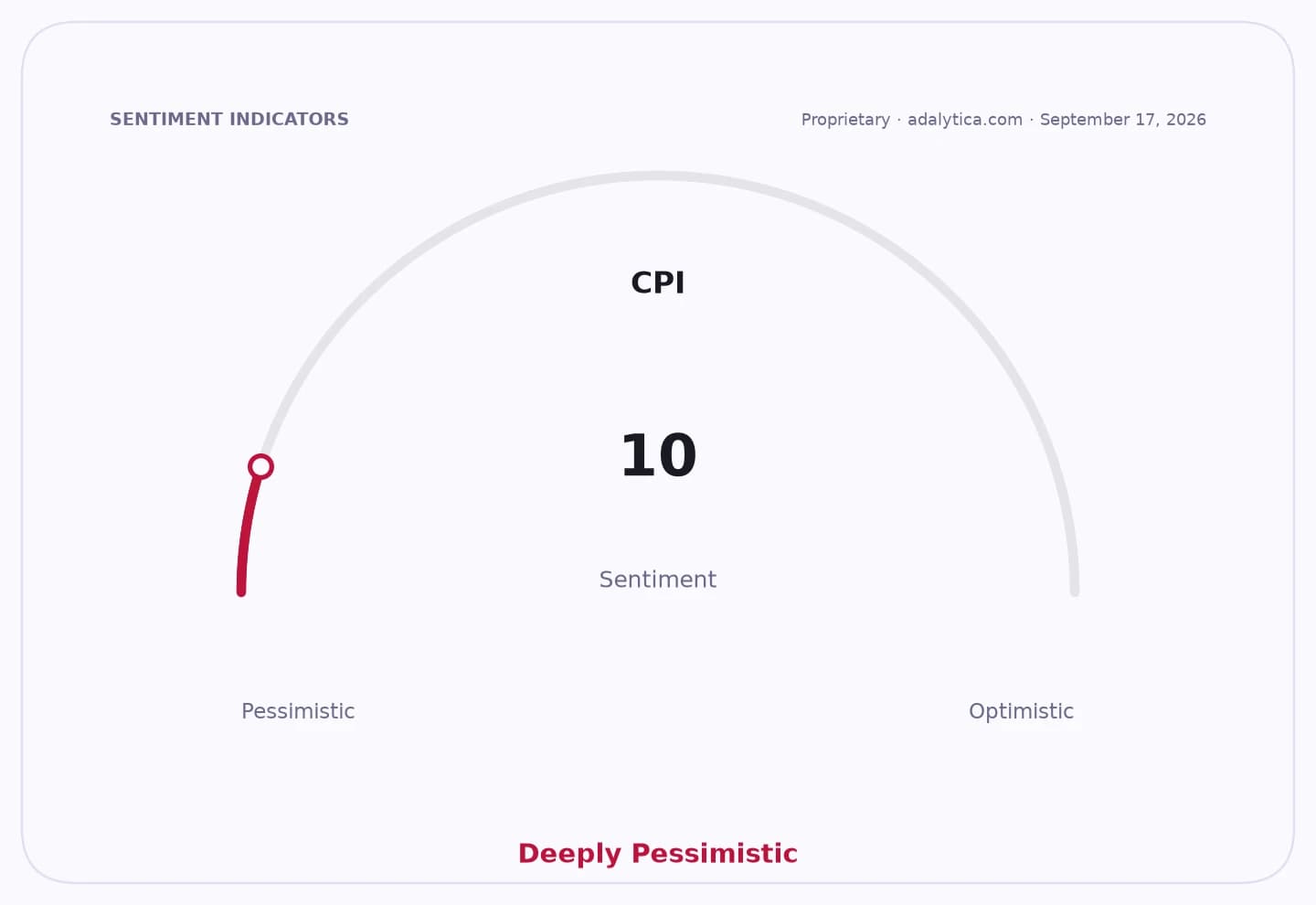
Italy’s households are running out of financial cushion just as prices keep climbing, and that is the real economic risk behind Confcommercio’s warning that inflation could reach 3.7% while “mandatory” spending rises 5.9%.
Italy Households Face Higher Costs and Softer Spending
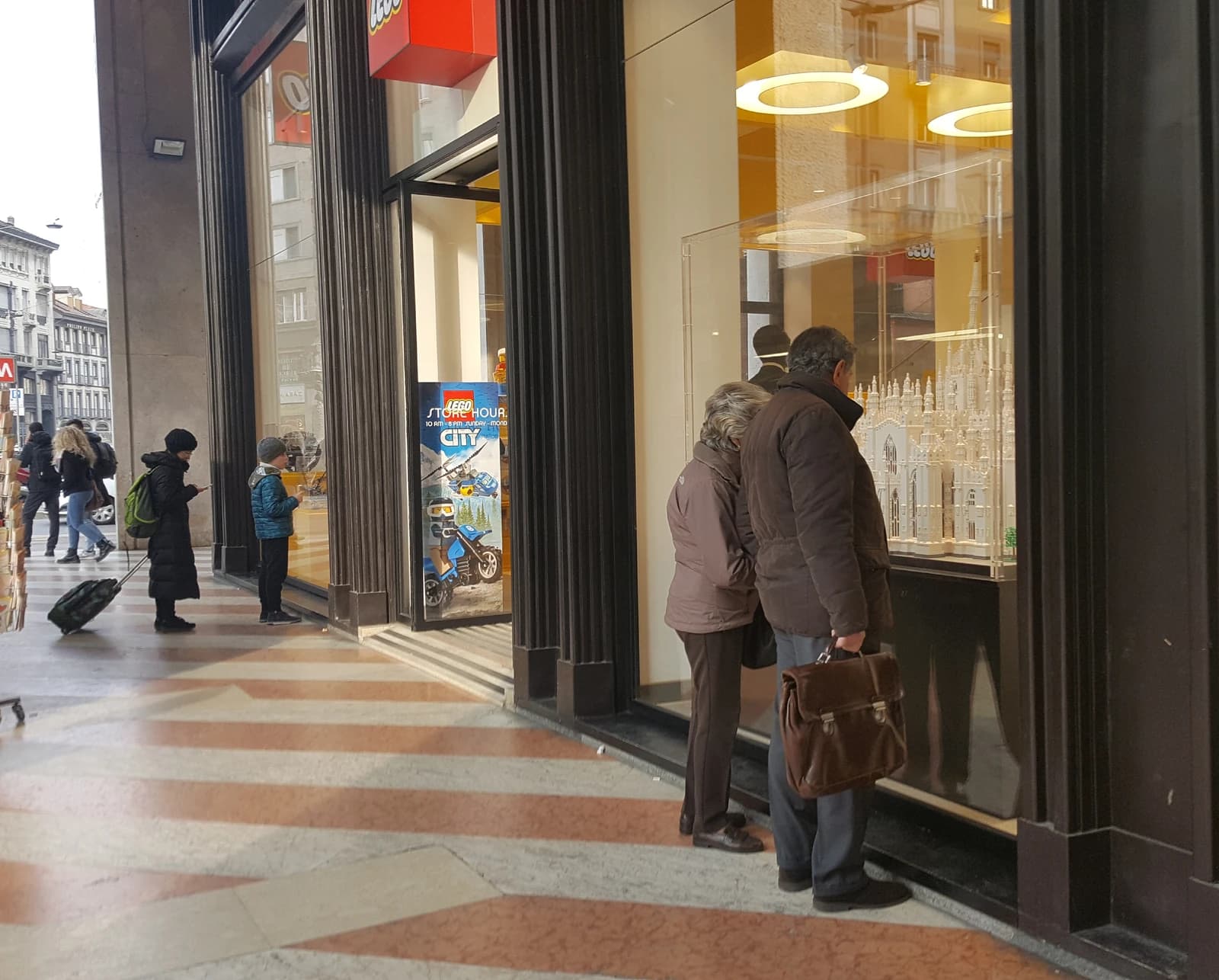
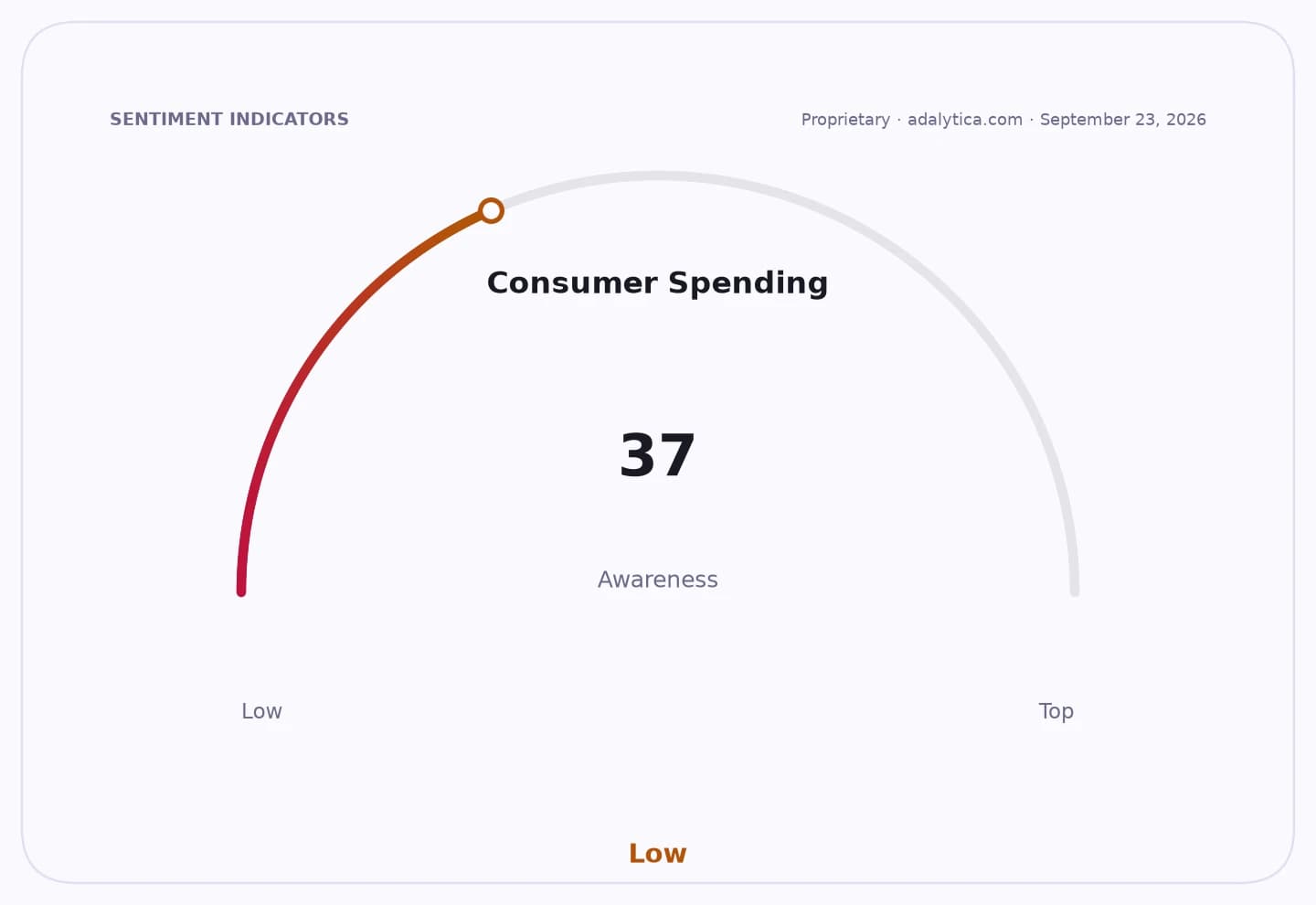
For investors, that matters because a consumer that has no room left for discretionary purchases does not just feel poorer — it spends less, and that ripples through the whole economy. When the cost of essentials such as energy, food and transport rises faster than wages and savings, families cut back on everything from retail to travel to restaurant spending. Confcommercio says that has already translated into a 0.5% decline in spending, or about 6.5 billion euros, showing that inflation is no longer just a headline number but a direct drag on demand.
Sentiment IndicatorsⓘProprietary · adalytica.com · September 22, 2026
This is a snapshot — live sentiment, awareness and momentum for 130+ markets update continuously in the dashboard.Open AlphaPulse
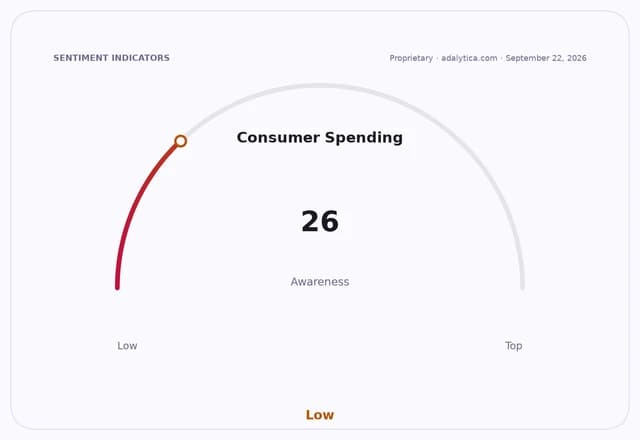
That is especially important in Italy, where consumption is a key engine of growth and one of the few levers that can offset weak productivity and heavy public debt. If a bigger share of household income is absorbed by non-discretionary bills, the economy loses momentum just when Europe is already dealing with energy shocks and geopolitical uncertainty. The result is a familiar but damaging pattern: households lose purchasing power, businesses face softer sales, and policymakers are left trying to stabilize prices without choking off activity.
The message also reaches beyond Italy. Persistently higher “must-pay” costs tend to keep inflation sticky, and sticky inflation is bad news for central banks trying to bring borrowing costs down. That can keep financing conditions tight for longer across the euro area, even if headline inflation later moderates. For companies exposed to the Italian consumer, the risk is that volumes weaken before pricing power does, squeezing margins.
Consumer Spending — 30-day sentimentadalytica.com
Explore this data interactively — full history, time series and cross-market comparisons.Open AlphaPulse
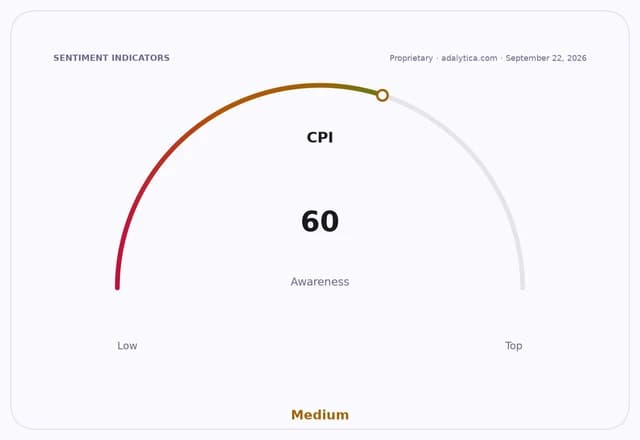
There are some offsets. Defensive businesses selling essentials may hold up better than cyclical names tied to optional spending. Broadly diversified investors, though, should read this as another reminder that inflation still acts like a tax on consumption and a headwind to growth. The best long-term portfolios are built to absorb those shocks, not to predict the next data print.
For now, the story is straightforward: if Italians have no margin left for other expenses, Italy’s consumer economy has less room to grow. That makes the inflation outlook worth watching closely, and it makes consumer-facing stocks worth a fresh look for anyone investing with a 3- to 10-year horizon.
| Entity | Gains | Losses |
|---|---|---|
| Essential-goods retailers | ▲Steady demand | ▼Lower discretionary trade |
| Consumer-facing cyclical firms | ▲— | ▼Weaker spending volumes |
| Inflation hedges | ▲Stronger pricing appeal | ▼Higher-cost households |
| Italian households | ▲Few immediate gains | ▼Less room for other expenses |