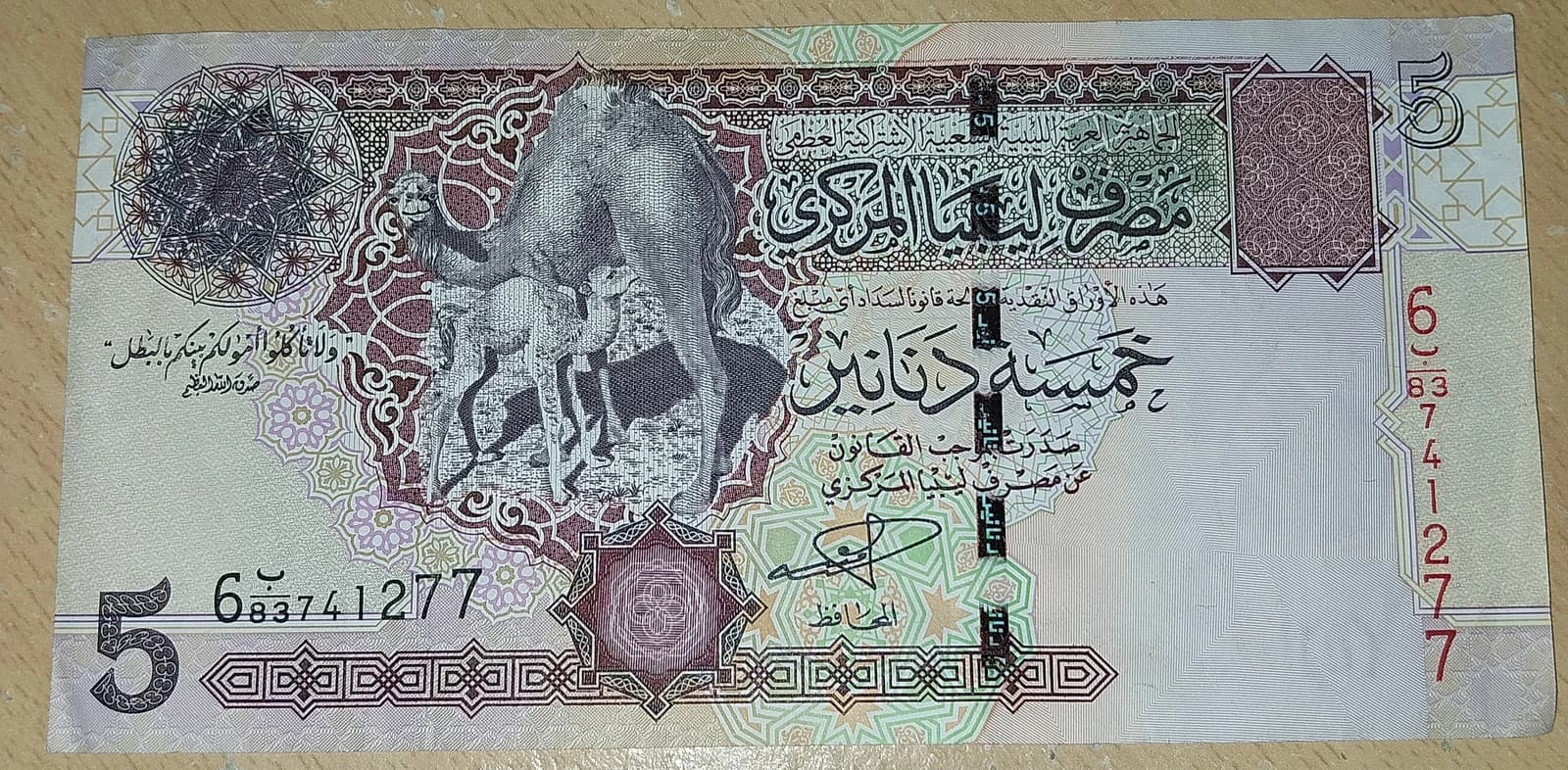
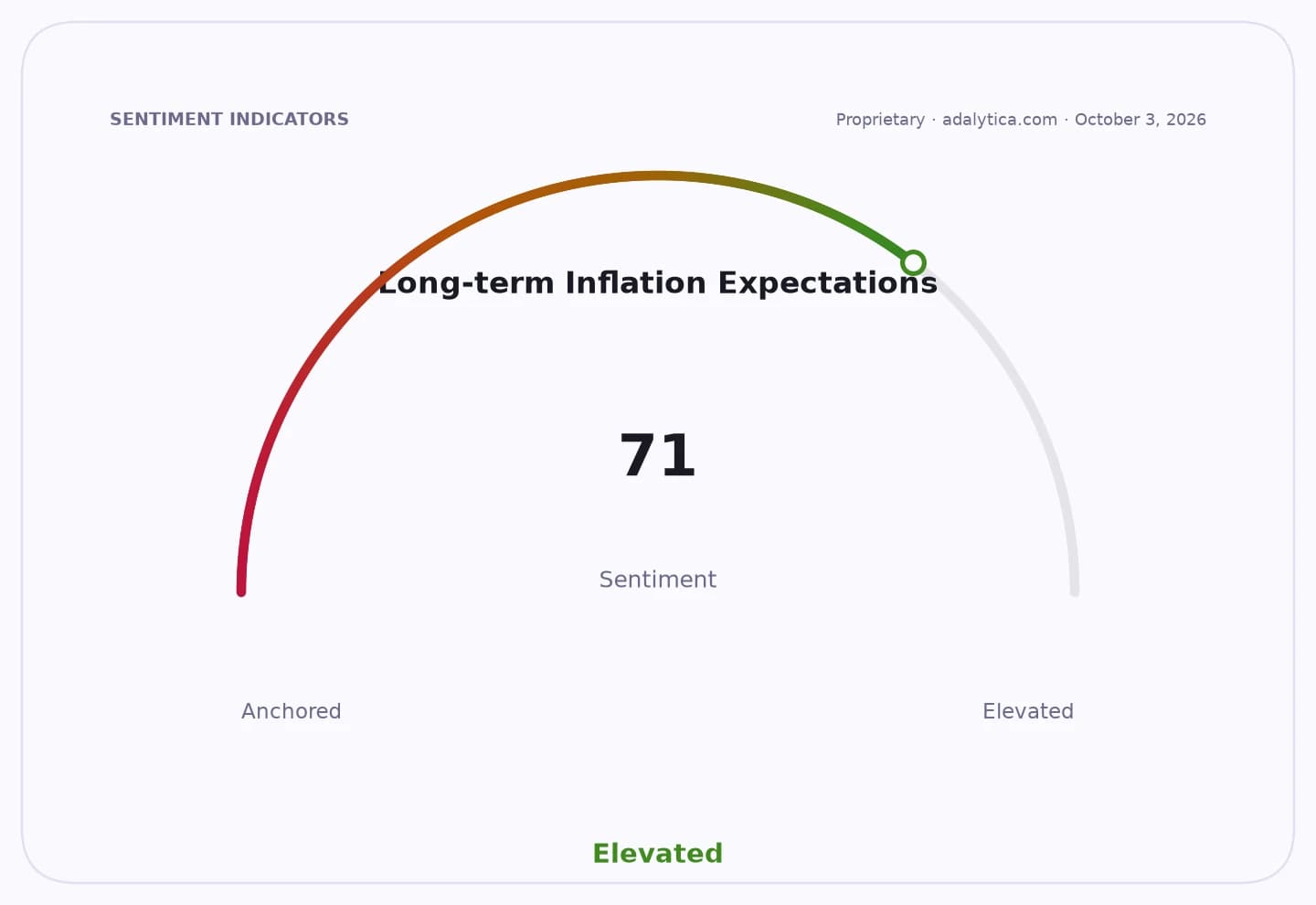
The Central Bank of Libya is preparing to inject about $3 billion into the foreign-exchange market from October, in a move aimed at pulling the dollar rate below 9 dinars and easing pressure on the currency after months of strain in the parallel market.
Libya Central Bank Plans $3 Billion Dinar Support
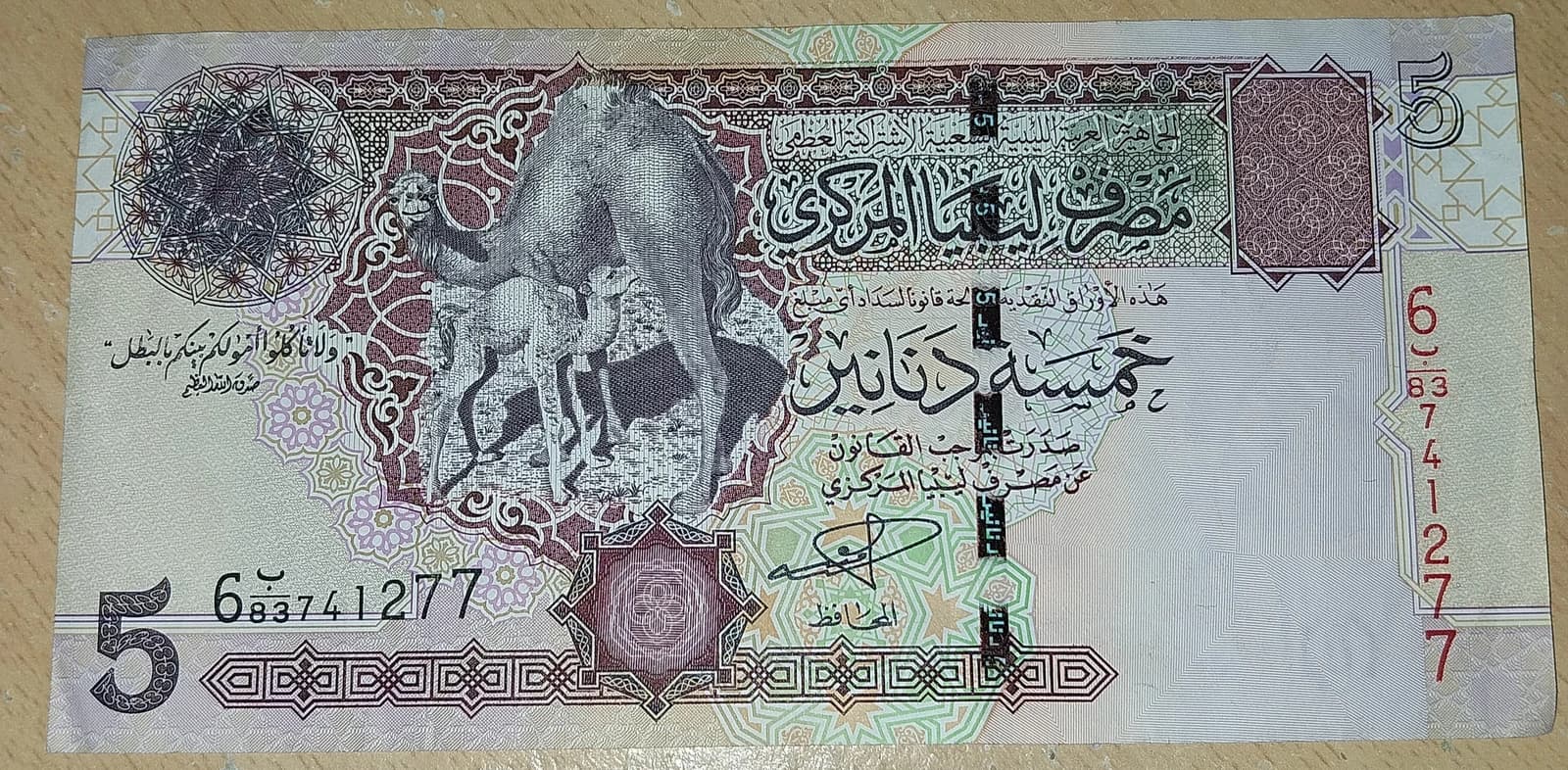
The plan matters because Libya’s exchange rate is not just a market variable; it is a transmission channel for inflation, import costs and fiscal stability in an economy still heavily dependent on oil revenue and public payroll spending. By promising a staged intervention rather than an abrupt fix, the central bank is signaling that it wants to restore confidence in the dinar without exhausting reserves or forcing a disorderly adjustment.
Sentiment IndicatorsⓘProprietary · adalytica.com · September 28, 2026
This is a snapshot — live sentiment, awareness and momentum for 130+ markets update continuously in the dashboard.Open AlphaPulse
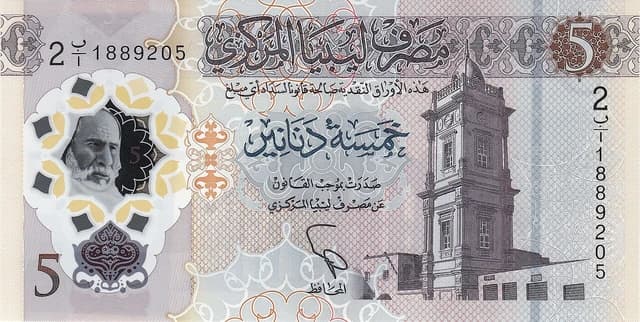
According to the comments circulated from the bank, the target is to reach a “temporary” exchange-rate level below 9 dinars by early October. The central bank said the program would be supported by foreign-currency liquidity and accompanying fiscal and economic measures, including progress toward a unified salary table, while leaving open the possibility that it could absorb part of any financing gap if oil receipts fall short.
That is a meaningful policy shift for investors and businesses exposed to Libya’s currency cycle. A stronger dinar would reduce the local-currency cost of imported food, fuel, medicine and industrial inputs, but it would also tighten pressure on public finances if the central bank ends up shouldering a larger share of the deficit. For firms and traders that rely on dollars, the key issue is whether the intervention can narrow the gap between the official market and the weaker parallel market without triggering another round of hoarding or speculative demand.
The move also underscores how closely Libya’s currency still tracks oil income and state spending. In a country where fiscal policy, salaries and foreign-exchange allocations remain tightly linked, a larger dollar supply can stabilize pricing only if it is backed by credible budget discipline. Without that, the central bank may buy time rather than resolve the underlying imbalance.
For investors, the immediate takeaway is that the dinar may get relief in October, but the durability of that relief will depend on oil proceeds, spending control and whether the authorities deliver the next tranche of reforms they have promised. If the program is executed cleanly, it could calm import inflation and improve short-term market functioning. If not, the dollar shortage is likely to return once the intervention pace slows.
| Entity | Gains | Losses |
|---|---|---|
| Libyan dinar | ▲Near-term support | ▼Parallel-market pressure |
| Importers and consumers | ▲Lower import costs | ▼Dollar hoarders |
| Central Bank of Libya | ▲More market control | ▼Reserve and fiscal strain |
| Oil-dependent state budget | ▲Short-term stability | ▼Flexibility if revenues slip |