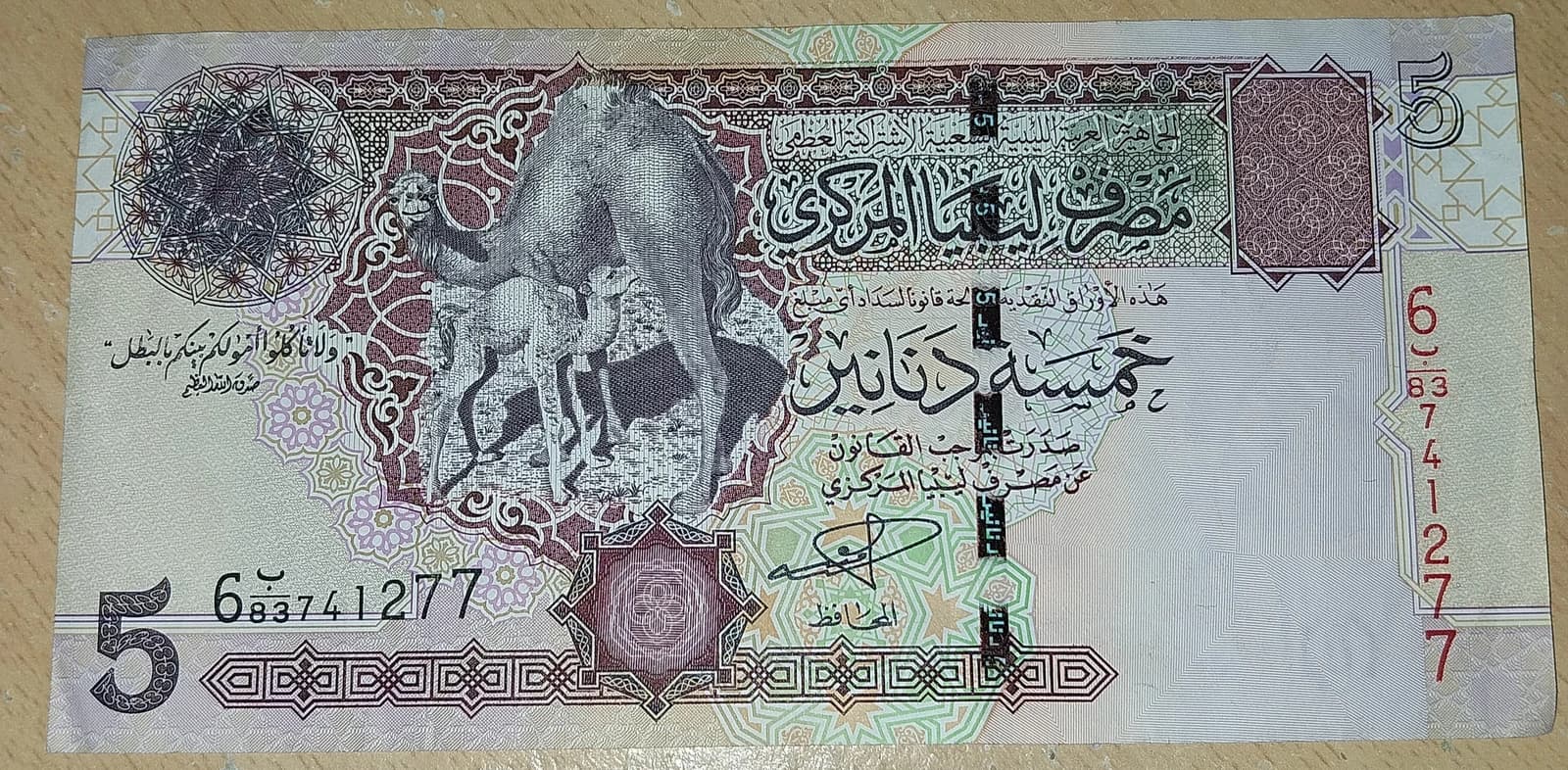
Libya’s central bank is being warned that broadening foreign-exchange access to ordinary citizens could make inflation worse, drain hard-currency reserves and deepen the country’s dollarization problem.
Libya Central Bank Warns on Wider Dollar Access
Ayoub al-Farsi, a member of the policy committee at the Central Bank of Libya, said the real solution is reform and anti-corruption measures, not what he described as distribution schemes that would flood the market with foreign exchange. In his view, turning millions of Libyans into small-scale dollar sellers would effectively legitimize and expand the parallel market, push up the effective exchange rate for goods and feed through quickly into prices for food, medicines and other essentials.
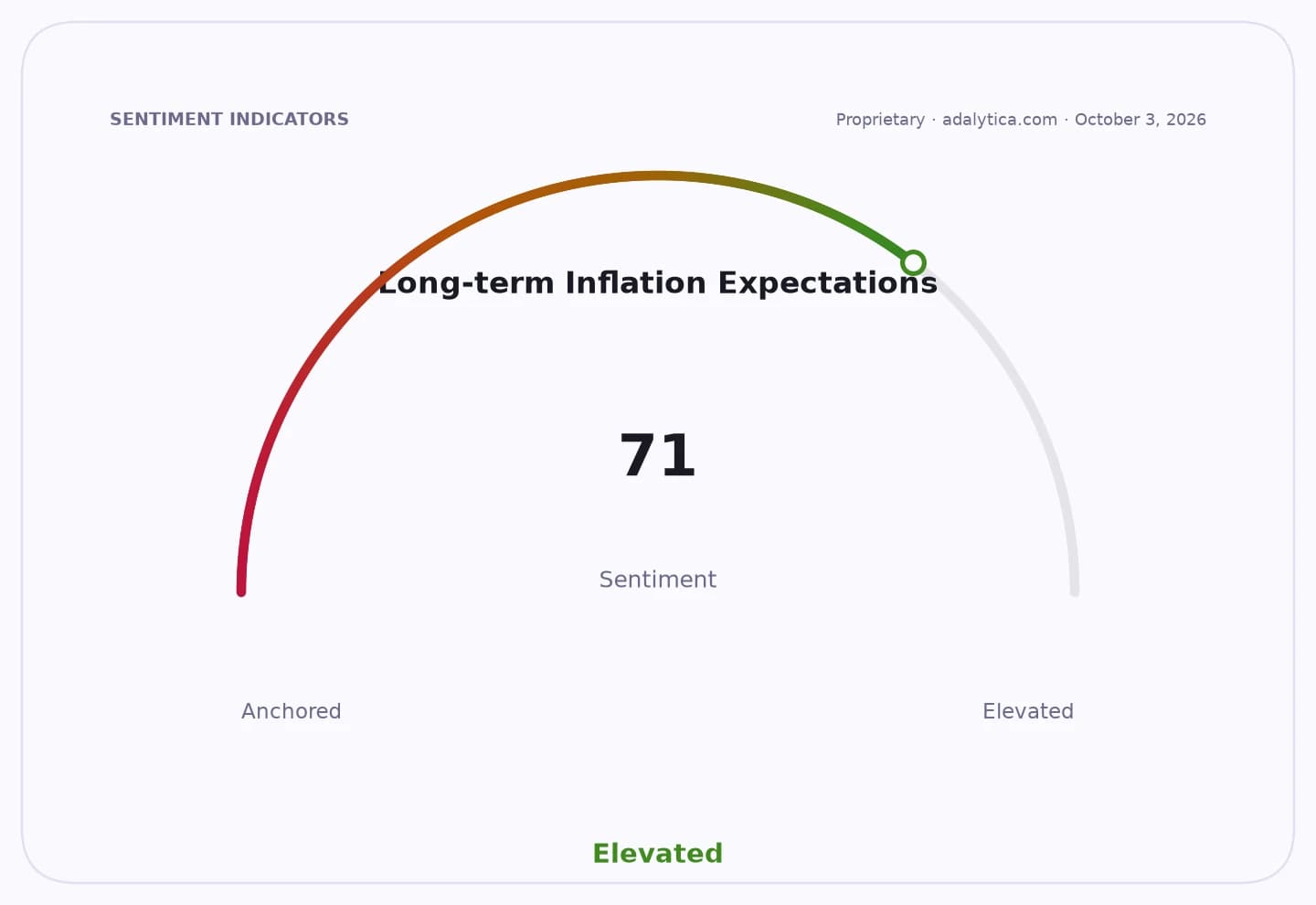
Sentiment IndicatorsⓘProprietary · adalytica.com · October 3, 2026
This is a snapshot — live sentiment, awareness and momentum for 130+ markets update continuously in the dashboard.Open AlphaPulse
That matters because Libya’s problem is not just a weak currency. It is a fragile monetary system trying to manage scarce foreign exchange, import dependence and a persistent shortage of dinar liquidity. If consumers must first find cash in dinars to buy their dollar allotments, the policy could simply create another bottleneck, benefiting those with access to balances or withdrawals while leaving everyone else behind. In a country already struggling with cash shortages, that is a recipe for fresh distortions rather than stability.
Al-Farsi’s warning also goes beyond inflation. He said dispersing foreign currency to millions of individuals would make it harder for importers to aggregate funds, raise transaction costs and delay shipments of basic goods such as wheat and medicine. Just as important, it would complicate compliance for international banks that monitor the source of funds closely. A system that relies on collecting dollars from thousands of people and then sending them abroad could raise anti-money-laundering concerns and invite restrictions on Libyan transactions.
For investors, the message is that Libya remains a case study in how currency policy can either preserve or destroy economic confidence. A move that appears to widen access to dollars may look popular in the short run, but if it accelerates inflation and weakens reserve management, it erodes purchasing power, complicates trade finance and increases the odds of further monetary controls. That tends to hurt importers, domestic consumers and any business dependent on predictable settlement channels, while benefiting currency traders and other intermediaries in the shadow market.
The broader narrative is one investors know well from other emerging markets: when monetary institutions are weak, the exchange rate becomes a battleground between policy credibility and everyday survival. The central bank can still choose reform over improvisation, but the longer the system relies on distributing scarce dollars without fixing corruption, liquidity shortages and import management, the more likely Libya is to drift toward a de facto dollar economy.
For long-term investors, that means this is less a trade than a warning. Countries that protect reserves, enforce transparency and keep foreign exchange allocation targeted are better positioned to support stable growth. Libya, for now, still has to prove it can do that. Worth watching, but not a place to mistake quick fixes for durable policy.
| Entity | Gains | Losses |
|---|---|---|
| Parallel market traders | ▲More dollar turnover | ▼Official FX discipline |
| Consumers with dinar access | ▲Short-term dollar access | ▼Purchasing power |
| Central Bank of Libya | ▲Reform agenda if heeded | ▼Policy control if ignored |
| Importers and banks | ▲Clearer rules under reform | ▼Higher compliance and transfer risk |