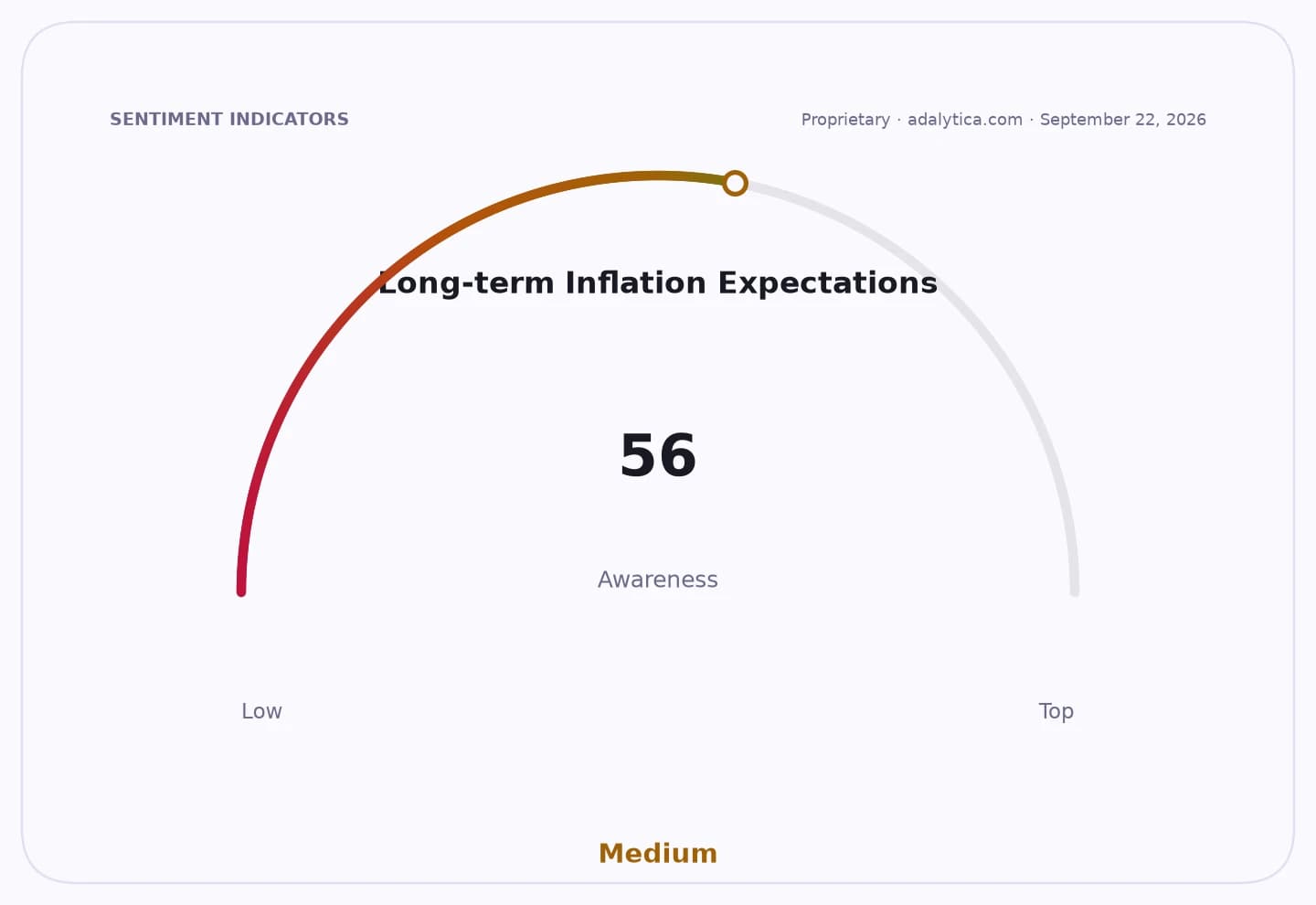
Uruguay’s inflation rate rose back above the central bank’s 4.5% target in August for the first time this year, but the move was modest enough to keep price growth inside the policy band and leave the country’s disinflation story broadly intact.
Uruguay inflation rises above 4.5% target in August
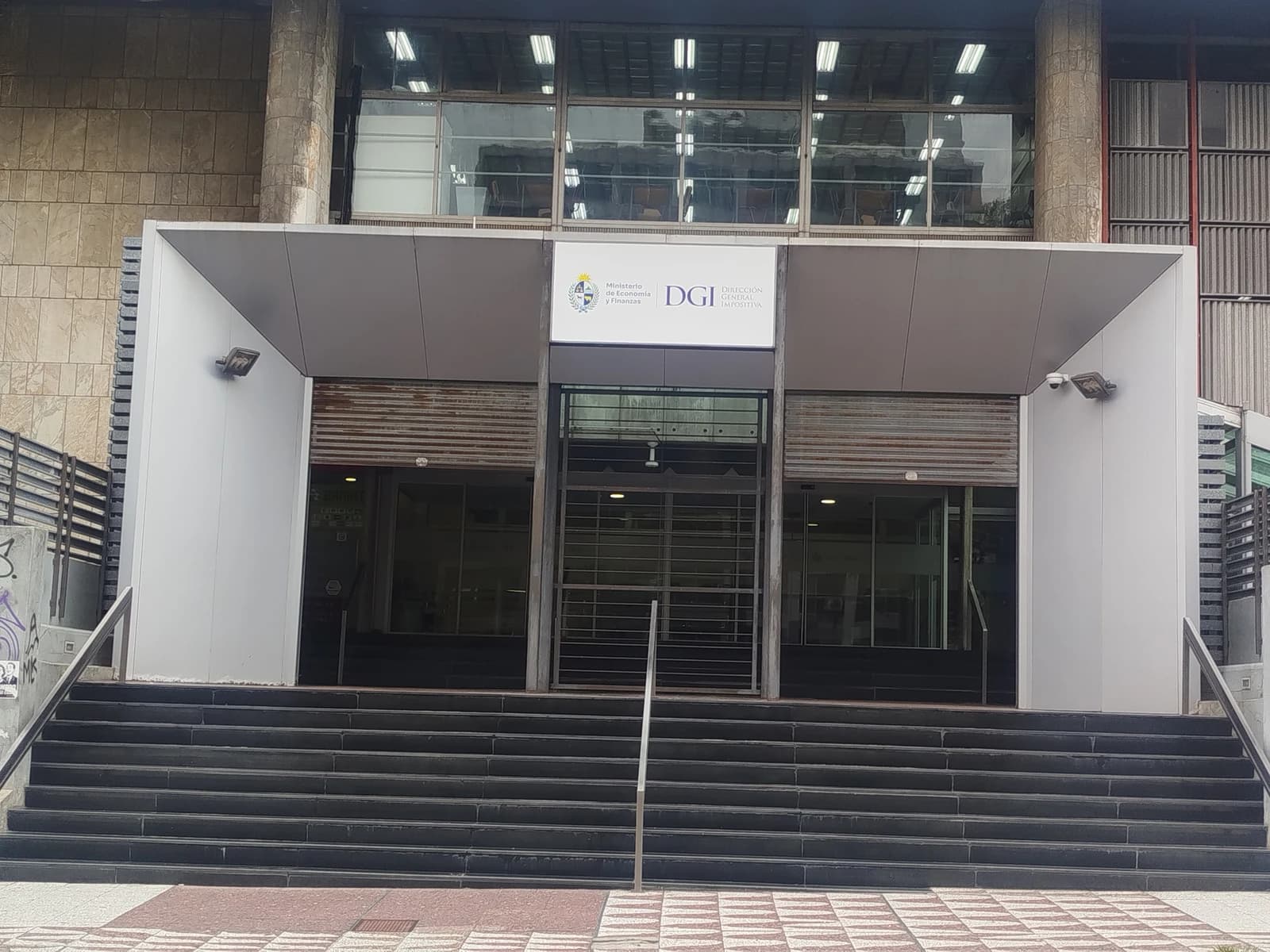
Consumer prices climbed 4.55% from a year earlier, according to the national statistics agency, compared with 4.50% the month before. On a monthly basis, the consumer price index rose 0.24% in August, taking year-to-date inflation to 3.65%. The reading ended a 12-month stretch below the central bank’s midpoint, but extended a 39-month run inside the 3% to 6% tolerance range.
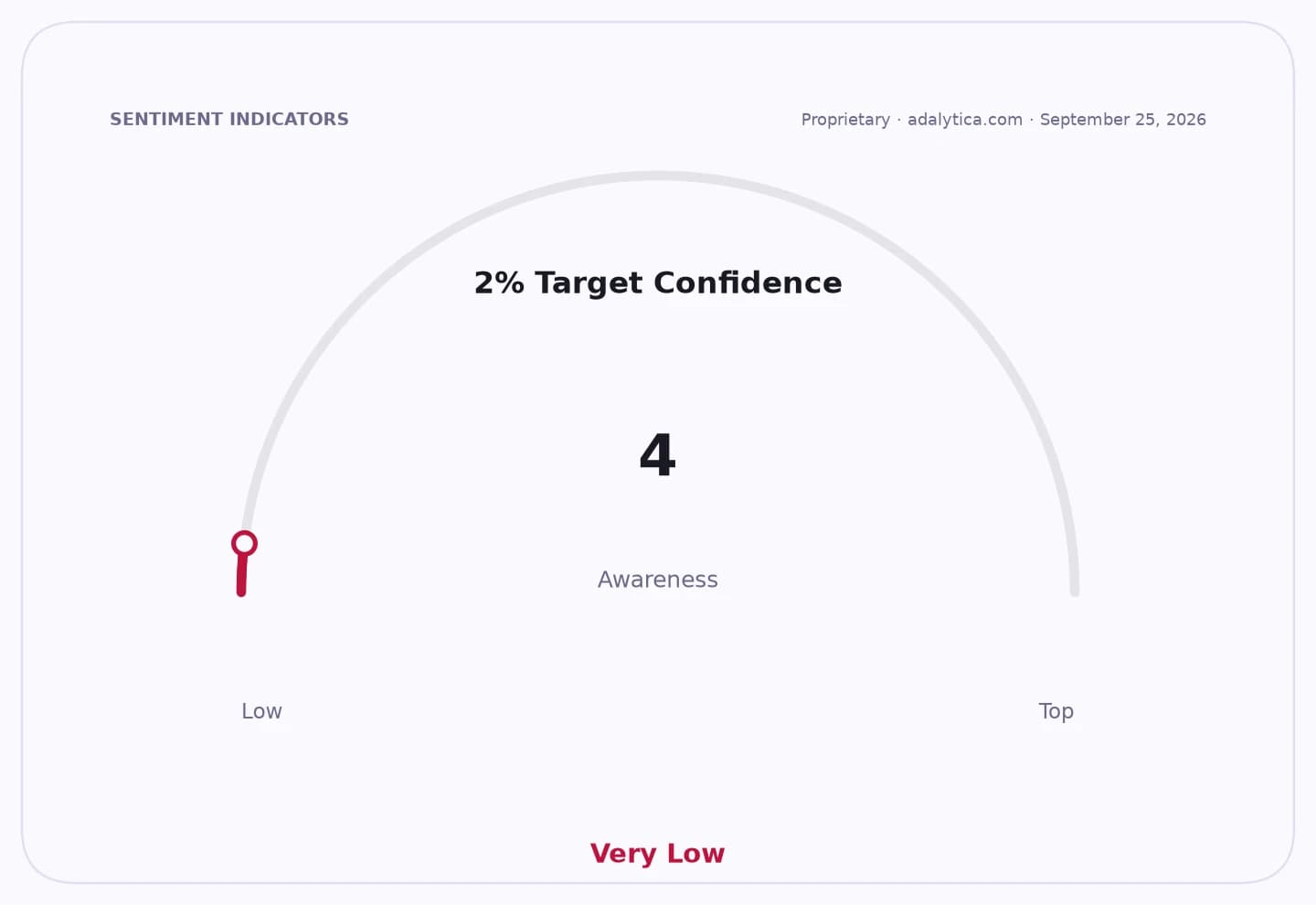
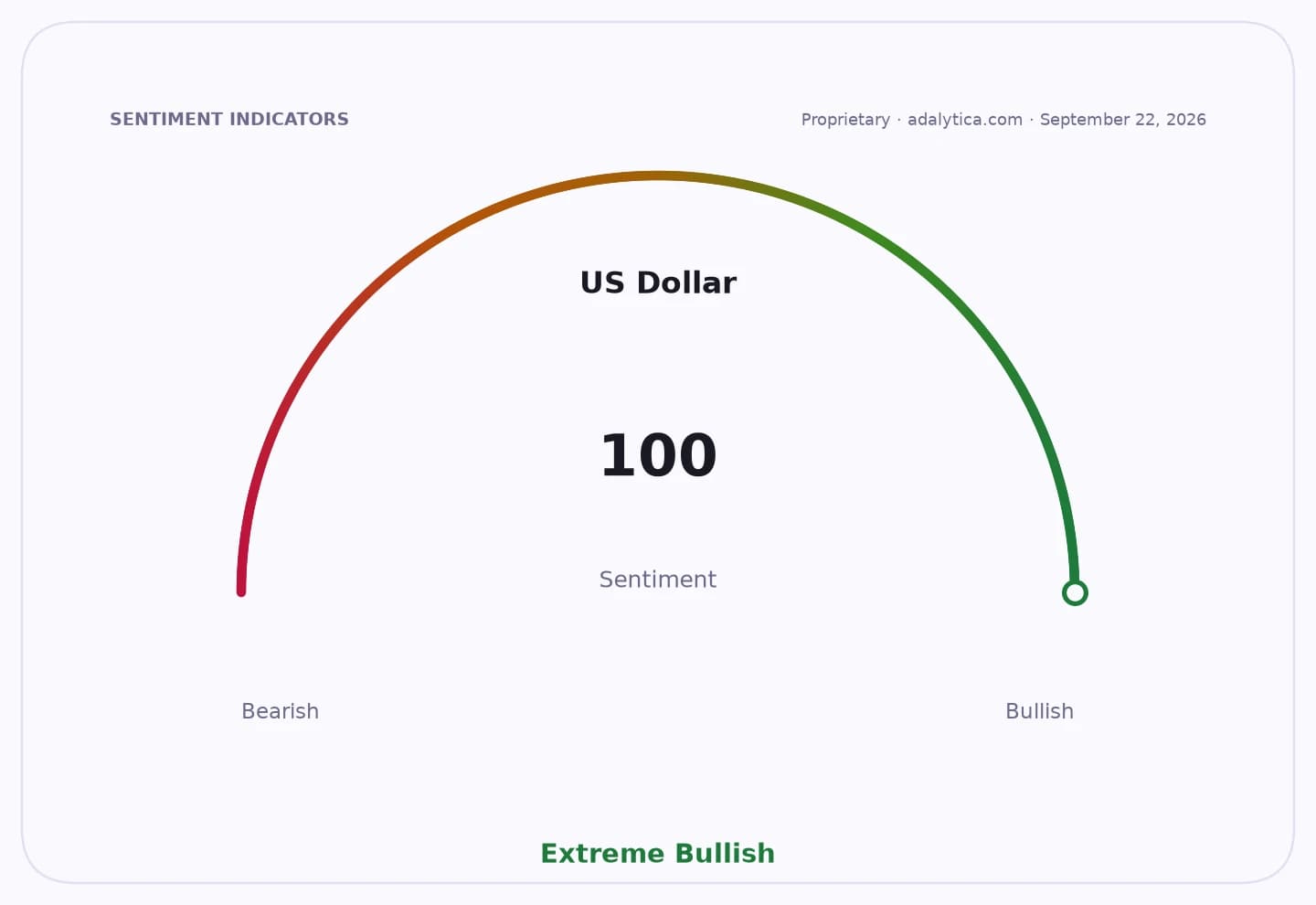
Sentiment IndicatorsⓘProprietary · adalytica.com · September 4, 2026
This is a snapshot — live sentiment, awareness and momentum for 130+ markets update continuously in the dashboard.Open AlphaPulse
The significance for policymakers is that inflation is no longer easing cleanly toward the 4.5% anchor, even if it remains controlled by regional standards. For Uruguay’s central bank, the latest print reduces room for complacency just as the country tries to preserve credibility around its target and anchor expectations after a long period of gradual disinflation.
The outcome was still slightly better than analysts had expected, suggesting underlying price pressures are not accelerating sharply. Authorities also pointed to government measures aimed at limiting the pass-through of global oil-price volatility to households and businesses, a reminder that administered prices and policy buffers remain important in a small, open economy exposed to imported inflation.
For investors, the report matters because Uruguay’s inflation trajectory helps shape local interest-rate expectations, peso demand and the appeal of domestic fixed-income assets. A reading just above target but still comfortably inside the band is usually supportive for peso-denominated government bonds and money-market instruments, especially if it reinforces confidence that inflation will stay contained rather than re-ignite.
That has broader implications for Uruguay’s gradual push to deepen local capital markets and reduce reliance on the U.S. dollar. Stable inflation is a prerequisite for sustained demand for peso assets, and recent investor interest in domestic bonds suggests that confidence is building. If the trend holds, it could improve financing conditions for the sovereign and support more durable de-dollarization.
The risk, however, is that a few more months above the 4.5% midpoint could complicate the central bank’s communication and unsettle expectations if food, fuel or exchange-rate pressures intensify. For now, though, the August data point looks more like a pause in disinflation than a regime change.
| Entity | Gains | Losses |
|---|---|---|
| Uruguay central bank | ▲Keeps inflation within band | ▼Loses some momentum toward target |
| Peso bond investors | ▲Stable real returns support demand | ▼Miss cleaner disinflation trend |
| Consumers | ▲Price rises remain contained | ▼Pay slightly higher living costs |
| Dollar holders | ▲Less urgency to switch currencies | ▼Weaker case for de-dollarization |