Foreign-currency deposits in Egyptian banks climbed to $67.5 billion by the end of August, underscoring a continuing return of hard-currency savings into the banking system and easing pressure on a dollar-starved economy.
Egyptian bank FX deposits rise to $67.5 billion
The increase of about $610 million from July suggests households and companies are still preferring to keep foreign currency onshore rather than outside the formal banking channel, a shift that matters for liquidity, confidence and the central bank’s room to manage external pressures. In an economy that has struggled for years with FX shortages, every incremental rise in deposit balances is economically significant because it improves banks’ ability to intermediate dollars, supports trade finance and can reduce the urgency of hoarding cash or seeking parallel-market rates.
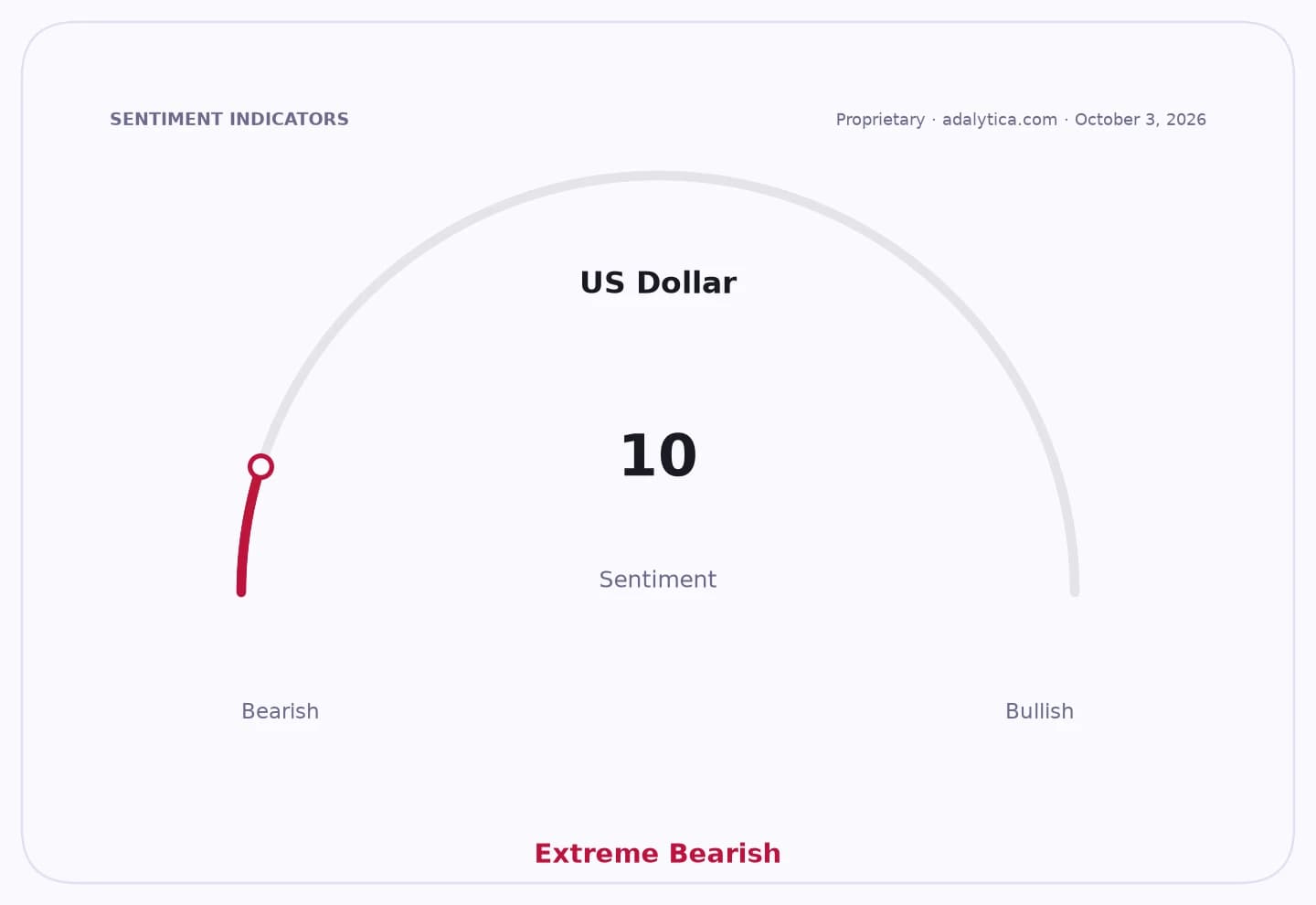
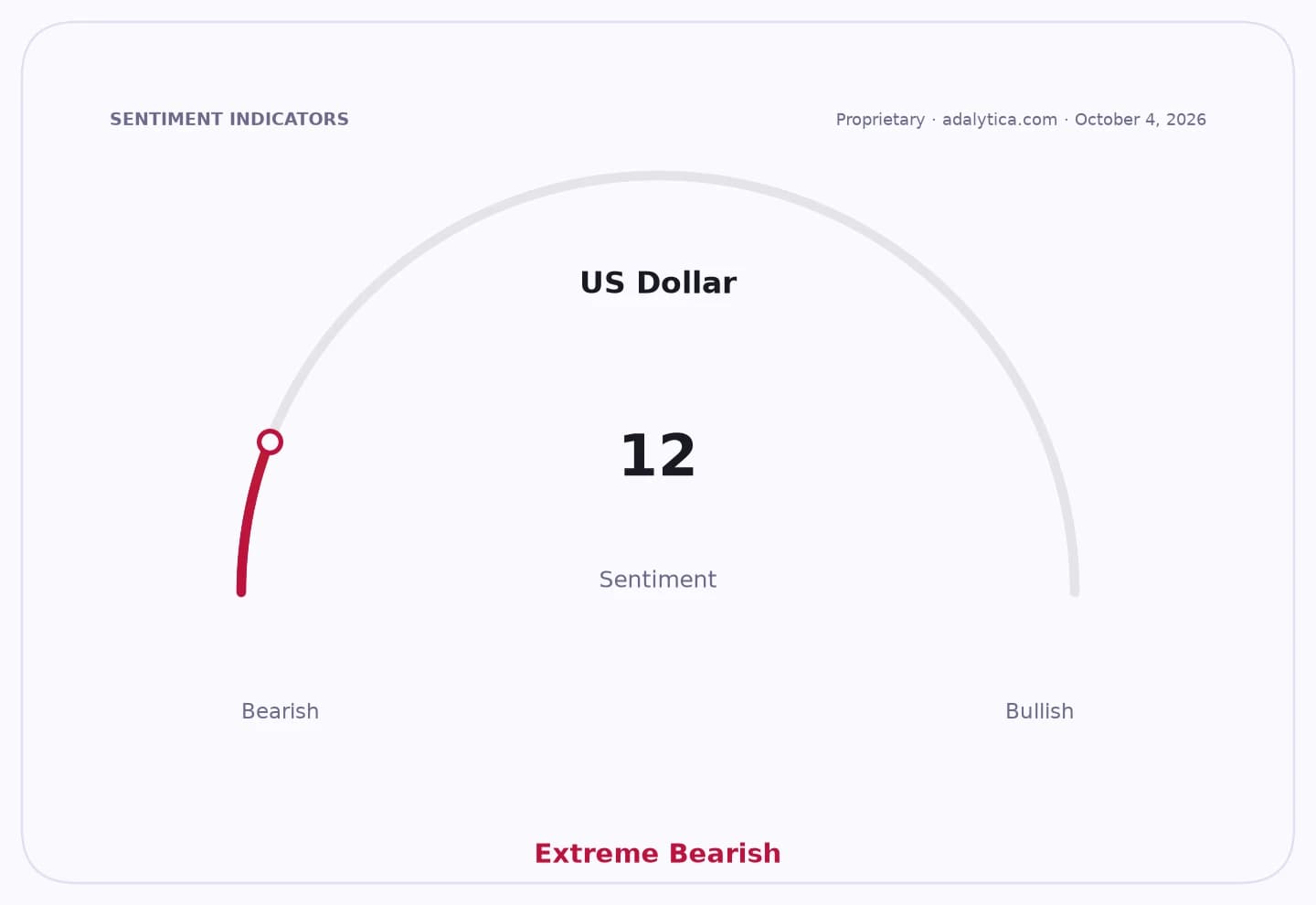
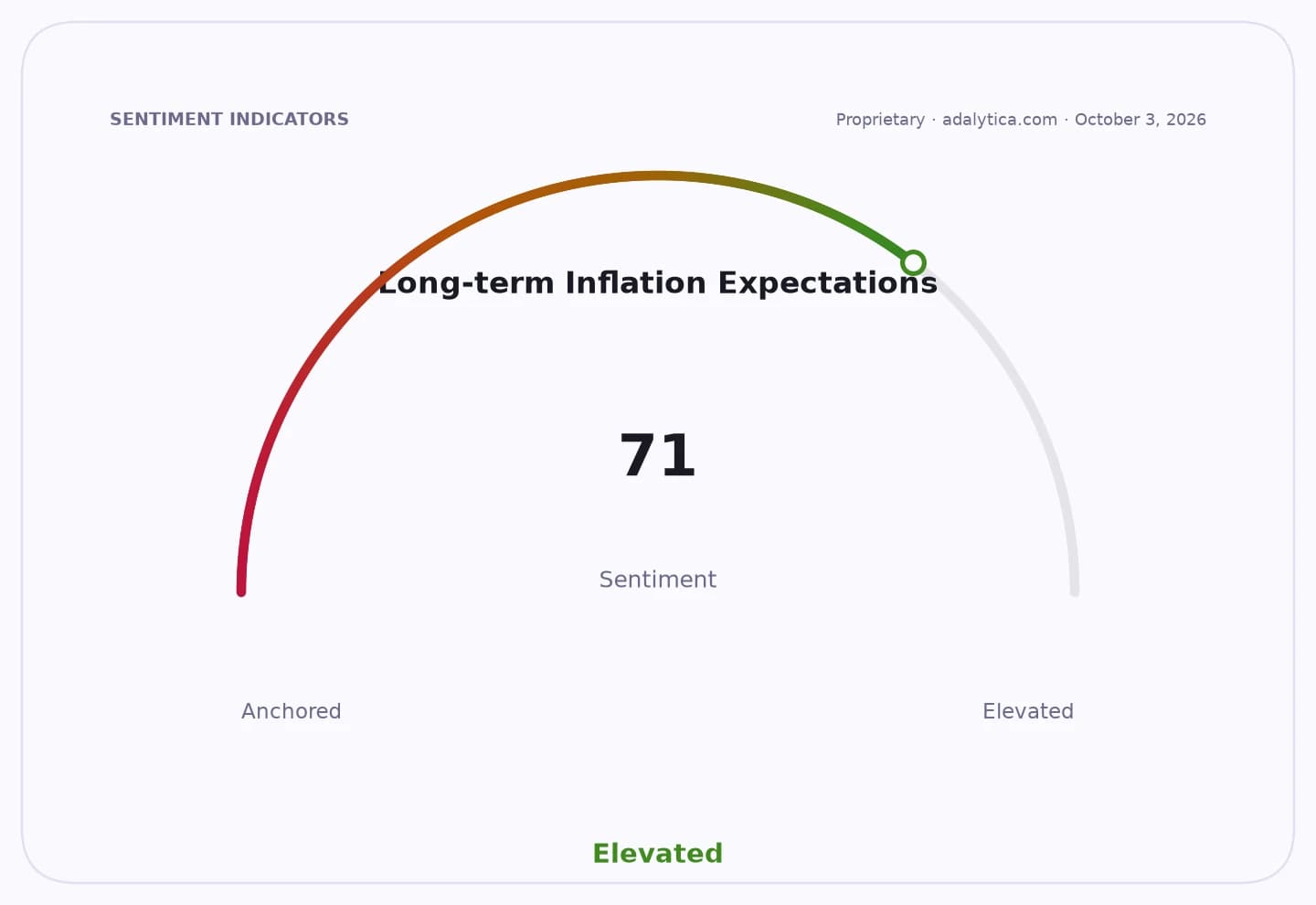
Sentiment IndicatorsⓘProprietary · adalytica.com · October 3, 2026
This is a snapshot — live sentiment, awareness and momentum for 130+ markets update continuously in the dashboard.Open AlphaPulse
The central bank said foreign-currency deposits were split between $17.06 billion in demand deposits, including current and savings accounts, and $50.44 billion in time deposits and foreign-currency savings certificates. The heavier weight of term deposits suggests savers are still willing to lock money into the banking system, a sign that recent policy stability and the lure of bank products continue to compete with cash retention. That is generally constructive for bank funding, though it also means a large share of these balances is not immediately spendable, limiting the near-term boost to circulating dollar liquidity.
Households and individuals held the largest slice of foreign-currency time deposits and certificates at $34.97 billion, followed by private-sector companies with $11.7 billion and public-sector firms with $3.76 billion. That mix points to broad-based confidence rather than a single corporate flow, although the household share also reflects a cautious saving behavior in an economy where currency swings have historically encouraged dollarization.
For investors, the trend matters most through its implications for the banking sector and the sovereign’s external position. Stronger foreign-currency deposits can support deposit growth, improve bank liquidity ratios and reduce funding stress at lenders operating in a high-inflation, high-rate environment. They also help stabilize expectations around the Egyptian pound by signaling that residents are less inclined to exit the banking system in search of a hedge, which can be positive for local assets and for companies exposed to imported inputs.
Still, the picture is not entirely resolved. A rise in deposits does not automatically translate into abundant foreign exchange if banks keep balances largely in short-term liquidity buffers or if demand for dollars from importers remains heavy. The key question for the months ahead is whether these balances continue to build and whether they are matched by rising reserve comfort, improved current-account flows and more durable confidence in the currency.
| Entity | Gains | Losses |
|---|---|---|
| Egyptian banks | ▲More FX funding | ▼Less balance-sheet strain |
| Deposit holders | ▲Onshore dollar safety | ▼Less cash outside banks |
| Egypt’s central bank | ▲Easier liquidity management | ▼Persistent FX demand if inflows stall |
| Importers / dollar buyers | ▲Potentially better access | ▼Higher competition for FX if deposits stay locked up |