Ghana’s central bank sold almost $13 billion into the foreign-exchange market over 12 months to end-May, a scale of intervention that has helped stabilise the cedi but left the Bank of Ghana with mounting losses, a weaker balance sheet and fresh questions about how long it can keep leaning on dollar sales.
Ghana Central Bank FX Sales Strain Balance Sheet
The International Monetary Fund said the Bank of Ghana accumulated $3.9 billion and sold $12.9 billion in foreign exchange in the period, roughly $1.1 billion a month, while rebuilding reserves beyond programme targets under Ghana’s $3 billion Extended Credit Facility. The intervention underscores how heavily authorities have relied on the central bank to smooth currency moves, even as the cedi came under renewed pressure in 2026 and lost about 10% against the dollar in the first seven months of the year.
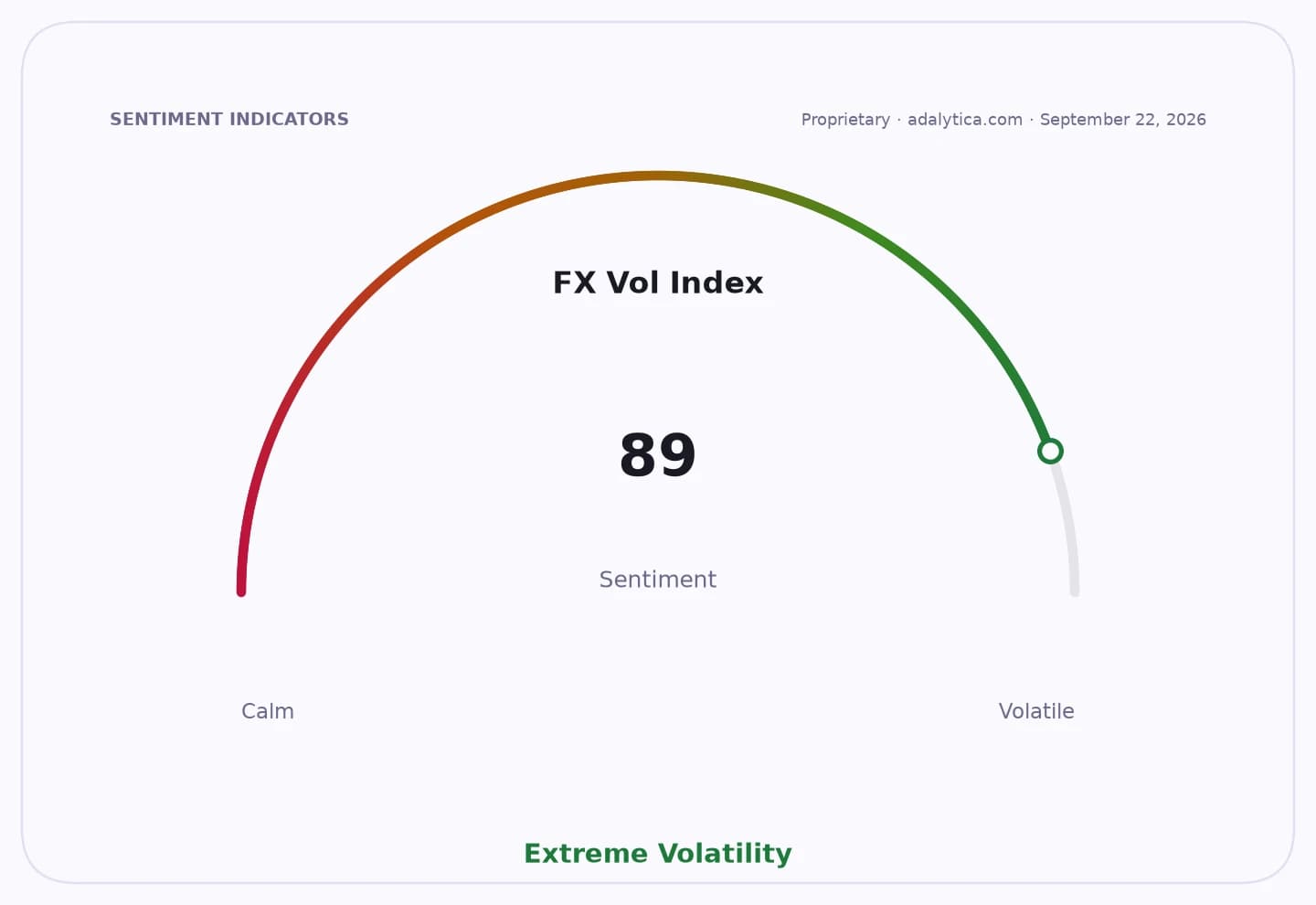
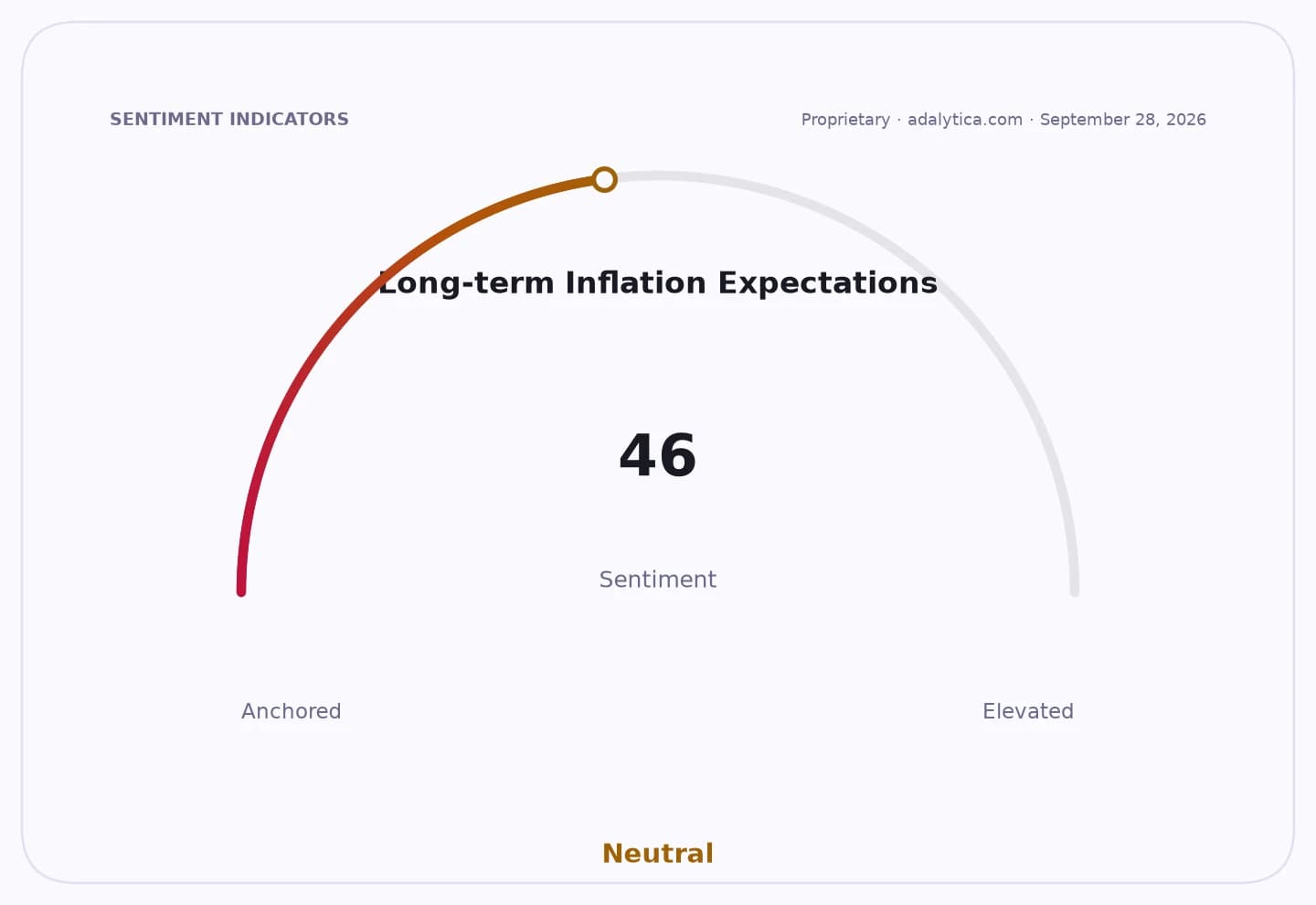
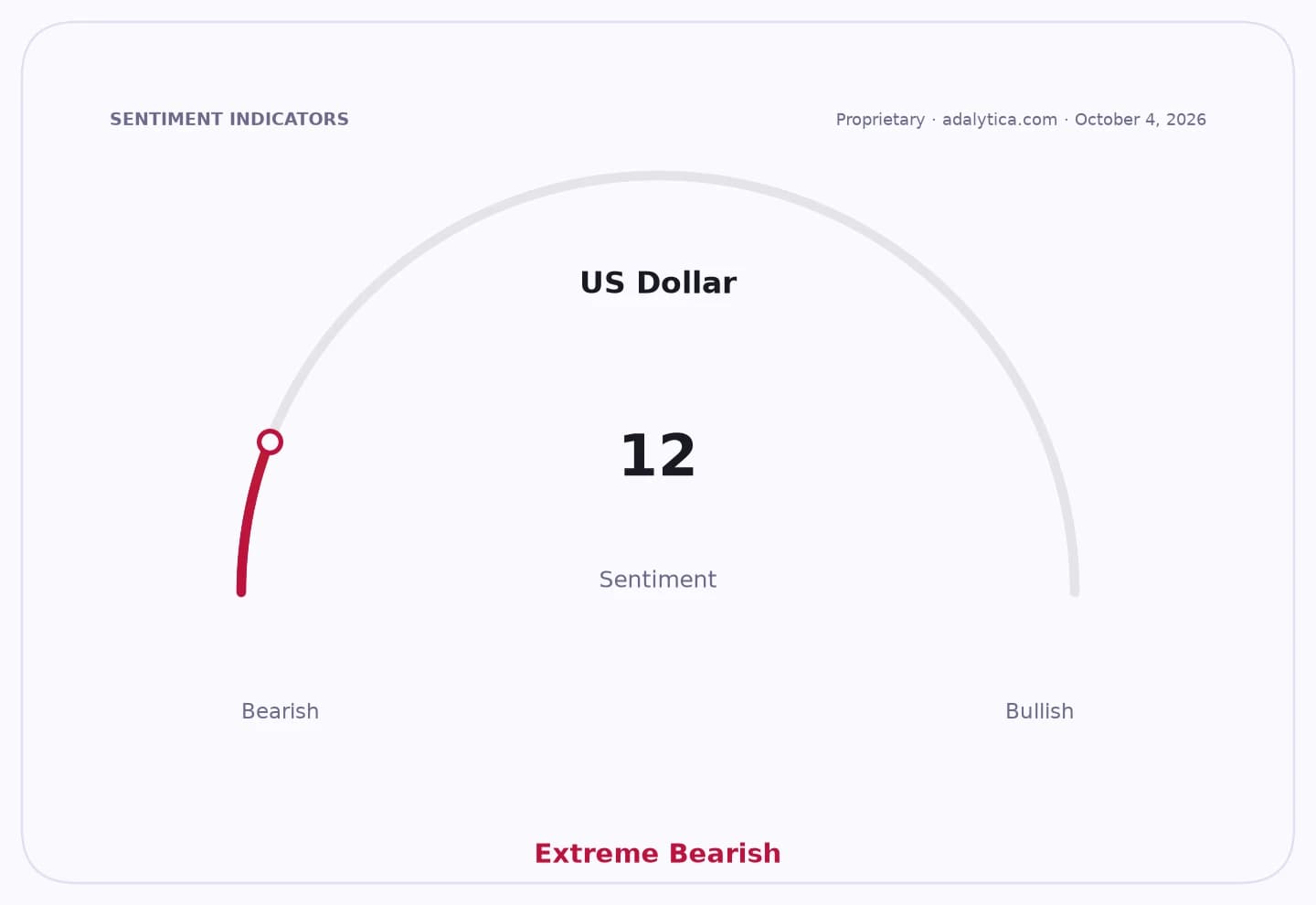
Sentiment IndicatorsⓘProprietary · adalytica.com · October 4, 2026
This is a snapshot — live sentiment, awareness and momentum for 130+ markets update continuously in the dashboard.Open AlphaPulse
For investors, the key issue is not just the size of the sales but the cost of sustaining them. Ghana has been rebuilding external buffers through gold purchases and reserve accumulation, yet that strategy has strained the central bank’s finances. The IMF said the Domestic Gold Purchase Programme generated losses of 22 billion cedis, or 1.5% of GDP, in 2025, while sterilisation costs and valuation losses deepened the BoG’s negative equity position to 6.7% of GDP by end-2025.
That matters because a central bank with deteriorating capital and recurring quasi-fiscal losses has less room to absorb future shocks. It also complicates the policy mix at a time when Ghana is trying to preserve hard-won macro stability after years of debt distress, inflation pressure and currency weakness. The cedi’s earlier nominal effective gain of 40.7% over 2025 showed the intervention was effective in the short run, but the recent slide suggests the market still sees structural fragilities beneath the surface.
The IMF’s critique goes beyond the balance sheet. It said auctions under a new FX operations framework introduced in November 2025 often deviated from published guidelines by rejecting the highest bids, a sign that price discovery remains impaired. The Fund wants the central bank to scale back its footprint in the market, loosen net open-position limits and remove remaining capital-flow measures so the interbank market can develop more naturally.
That advice reflects a broader economic trade-off. Heavy intervention can calm import costs and anchor inflation expectations in the near term, but it can also mask underlying demand for dollars, weaken market depth and create moral hazard if businesses expect the central bank to always supply foreign exchange. Ghana is especially exposed because fuel is imported and priced off the exchange rate, meaning renewed cedi weakness could quickly feed into pump prices and inflation at a time when global oil markets remain unsettled by Middle East conflict.
The gold strategy itself is also under scrutiny. In February 2026, parliament adopted a reserve-accumulation policy targeting 15 months of import cover by 2028 through higher domestic gold purchases. The IMF has pushed back, saying reserves of that size would not be advisable on precautionary grounds alone given the costs, and warning that sterilisation expenses already reached 1% of GDP in 2025 and would rise further.
A corrective shift is under way. The central bank, GoldBod and the government signed a memorandum of understanding in July to move the gold programme off the BoG’s books, with the state assuming the costs from July 1. That should ease one of the biggest sources of quasi-fiscal strain, but it does not remove the core problem: Ghana still needs a more transparent, liquid FX market that can function without constant official support.
For investors, the near-term question is whether the cedi’s renewed weakness proves temporary or marks the start of another adjustment cycle. The Bank of Ghana has cut its policy rate by 1,400 basis points since July 2025 to 14%, which leaves policy broadly neutral, but the room for further easing may be limited if currency pass-through picks up. The IMF has already warned of second-round effects from higher energy and fertiliser prices, and that makes the exchange rate a central driver of the inflation outlook.
The broader narrative is clear: Ghana has bought stability with reserves, gold and central-bank balance sheet risk. The next phase will test whether that stability can be made durable without repeated intervention, or whether the cedi will again force authorities back into the market.
| Entity | Gains | Losses |
|---|---|---|
| Bank of Ghana | ▲Short-term cedi support | ▼Balance-sheet strength |
| Ghana importers / consumers | ▲Near-term FX stability | ▼Higher fuel and import costs if cedi weakens |
| GoldBod / government | ▲More control of gold reserve scheme | ▼Quasi-fiscal burden and implementation risk |
| IMF programme credibility | ▲Reserve rebuild progress | ▼Governance concerns, market distortions |